Mill Creek Parish United Methodist Church 7101 Horizon Terrace Derwood, MD 20855
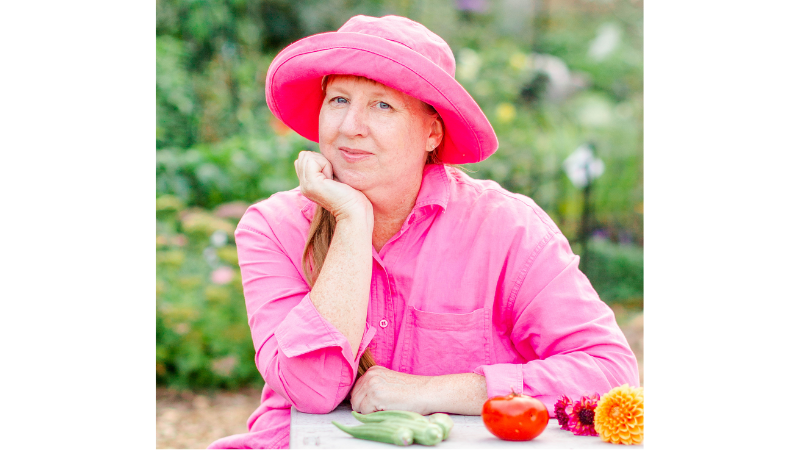
Guest Speaker: Irene Eckstrand, Master Gardener
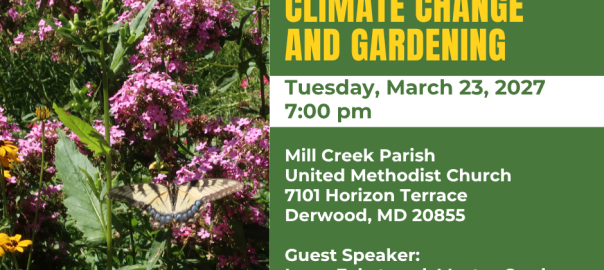
Join us for a special presentation on an “Climate Change and Gardening”, by guest speaker, Irene Eckstrand, Master Gardener and former NIH scientist, on Tuesday, March 23, 2027 at 7pm.
FREE
Light Refreshments provided
Gardeners are part of the solution to climate change. This presentation covers the science of climate change and offers practical advice on how to make your own garden more climate-friendly.
Irene Eckstrand Bio:
Irene became a Master Gardener in 2017 after she retired from the National Institutes of Health. She is delighted to spend more time on some of her major interests such as storm water management, the ecology of gardens, and climate change. In addition to being a member of the MG Speakers Bureau, Irene served as the editor of the MG newsletter, The Seed, for four years and still writes a column on science news. On Tuesday mornings, you can find her working with the Montgomery County Fairgrounds Demonstration Garden team. She shares her home with her husband, a daughter, two cats, and two dogs.
RSVP: info@mctgardenclub.org
Please do NOT attend this event if you are or have been experiencing symptoms of illness.
THIS EVENT IS FREE, BUT DONATIONS ARE ALWAYS APPRECIATED!
Donations pay for landscaping, repair and maintenance of the Mill Creek Towne Entrances, and our garden-related programs at our community meetings.
NOTE: If Montgomery County Schools are closed due to inclement weather, the Garden Club meeting will be cancelled.
Happy Independence Day! Here are some garden tips, educational opportunities, and videos for July. Some upcoming events/resources include Natives at Noon: Lunch & Learn Webinar Series, Montgomery County, MD Farm Tour & Harvest Sale, Montgomery Parks – Events: Agricultural History Farm Park: Hiking Histories, Brookside Gardens: Edible Flowers for Flavor and Health, Capturing The Essence of Herbs, Pop-Up Exploration Cart – Insects, Butterflies of Brookside (Year Round): Butterflies of Brookside (Outdoors), The Butterfly Experience, Cultivars: Untangling the Complicated World of Cultivated Native Plants, Seneca Creek State Park July Programs; Montgomery College: Lifelong Learning Home and Garden Classes – Summer 2026, Fall 2026 Environmental Horticulture classes, Maryland Native Plant Society Conference, and more! A lot of gardening events are announced on Facebook as well as on our website. These events will be hosted as online or in-person events.
Planning Tips
The heat of the summer is here. Time to start doing chores during early morning or evening. Take a break during the hottest parts of the day.
Start or update your garden journals.
Check your local garden center for mid-summer bargains.
Peruse fall bulb catalogs.
Plan who is going to water plants during your vacation.
Plan where fall bulbs to go.
Plan landscape design projects.
Design new beds and gardens.
Clean, sharpen, and store your garden tools.
Repair your shed and repair/paint your fences.
Check out gardening books from your local library to read.
Pick up new gardening books and magazines for inspiration.
Buy a good gardening book or magazine subscription for a gift for your favorite gardener.
Have a question about gardening? Check the University of Maryland Extension’s New Maryland Grows blog for garden tips.
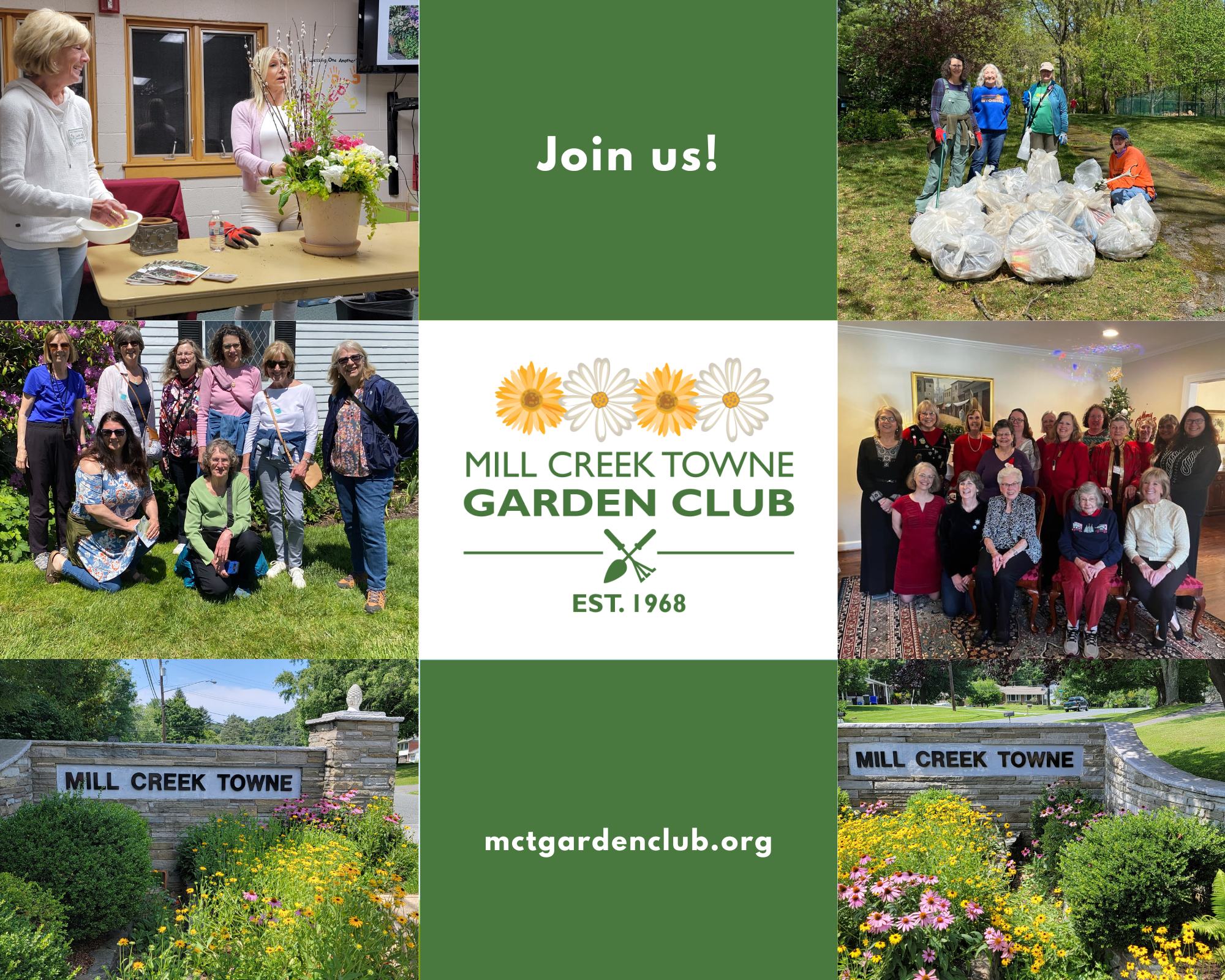
Join Mill Creek Towne Garden Club!
Are you interested in gardening? Perhaps you’re a beginner, looking to learn more, or an experienced gardener interested in sharing your experiences and learning from others?
Are you interested in making your home and community a more beautiful place to live?
Are you interested in getting more involved in your community and getting to know your neighbors better?
Visit Our MCT Garden Club Website for Gardening Resources
Local Gardening Resources: Looking for a Master Gardener as a guest speaker, need gardening advice, or want to learn about resources in or near Mill Creek Towne? Visit our Resources page for details.
MCTGC Blog: Check our monthly blog for garden tips and local/online garden-related events.
Gardening Books: Looking for a gift for your favorite gardener? Visit our Gardening Books Resources page for holiday gift ideas.
Local Gardens: Visit our Local Gardens page to learn about local gardens in our area.
Montgomery County Farmers’ Markets: Support our local farmers. Check this page to learn about local farmers markets in our area or join a CSA and get fresh local produce year-round!
Online Gardening Resources: Looking for gardening apps or online resources to help with your gardening? Check out our Online Gardening Resources page for some apps for your smartphone and online gardening resources focused on the DMV area.
Recipes: Looking for a recipe for your home-grown veggies and fruit? Check our Recipes page for ideas.
Maryland Grows Blog
In weekly posts on MD HGIC’s blog, learn about pollinator conservation, growing native plants and food, and how to solve plant pest and disease problems.
Plant Clinics are held at several sites in the county on a weekly basis and at special events such as garden festivals and the county fair. Regularly scheduled Plant Clinics are located at public libraries and farmers’ markets throughout the county as well as at the Audubon Naturalist Society in Chevy Chase. There are also clinics three days per week at Brookside Gardens. The busiest season is April through September, but some clinics are open year-round. Bring your plant samples and questions to one of these locations in Montgomery County, MD (see link below to find a location near you):
UMD Home and Garden Information Center: Ask a Master Gardener
Do you have a gardening question? Our Certified Professional Horticulturists, faculty, and Master Gardener Volunteers are ready to answer – year-round!
See below to ask a master gardener a question on the UMD Extension website:
Buy Fresh Produce and Support Farms at County Farmers Markets
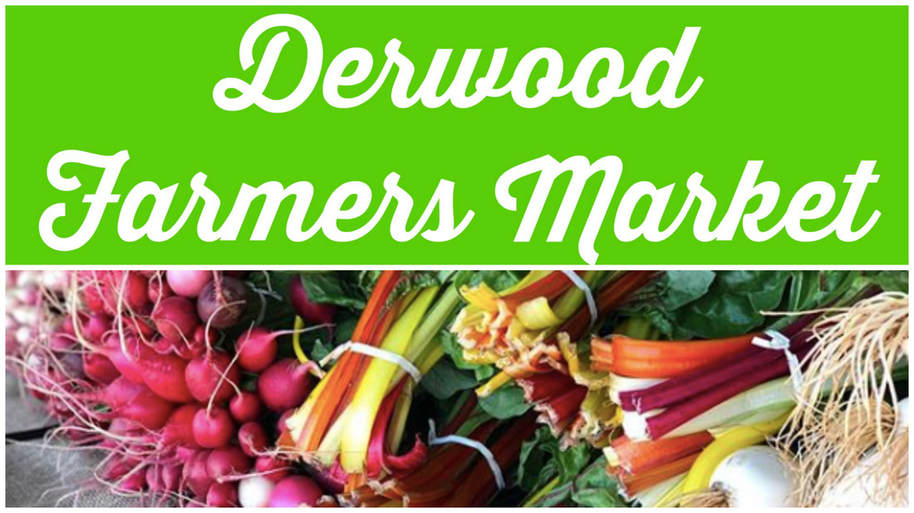
The 9th season of the Derwood Farmers Market is here! Come enjoy fresh produce, live music, friends & food trucks.
16501 Redland Rd, Rockville, MD 20855
SATURDAYS, 9AM – 1PM May 2 to October 10, 2026
Visit the Derwood Farmers Market on Saturdays and enjoy the amazing flavors our food and beverage vendors are bringing to the table! Whether you’re planning your market brunch, stocking up on fresh-baked treats, or cooling off with a smoothie, there’s something delicious waiting for you. Our market participates in nutrition assistance programs including eWIC & matching dollars for SNAP. The Derwood Market also collects food scraps for composting through a partnership with the Department of Environmental Protection.
We can’t wait to see you! Let’s celebrate fresh flavors, good company, and our amazing community together.
Maryland’s Best Native Plant Program
The Maryland Department of Agriculture (MDA) in partnership with University of Maryland Extension, the Department of Natural Resources, and the Maryland Native Plant Society is proud to introduce the MDA’s Maryland’s Best Native Plant Program.
This program aims to bring education, awareness, and recognition to consumers and producers about the importance of native plants by:
recognizing retailers, wholesalers, and growers who are selling native plants via a tiered (bronze, silver, gold), voluntary certification program, and helping consumers know where to buy native plants
providing marketing materials- including a MD Native Plant logo- to help consumers identify what’s native to Maryland
Don’t fertilize plants that slow down in heat, but keep them watered.
Fertilize lightly plants that are blooming heavily.
Cut back spent stalks of daylilies.
Divide and cut back bearded iris.
Prune Wisteria.
Stake and tie-up any tall-growing perennials such as phlox or delphiniums.
Annuals are now hitting their peak. Keep them well-watered and add a little liquid fertilizer every few weeks to keep them going through September.
Gather roses to enjoy indoors and be sure to make the cut just above a five-leaf unit.
Replace cool-season annuals with heat-loving ones.
Put out slug traps around your vulnerable hostas.
Feed your roses and new plantings with slow-release fertilizer sparingly.
Tie-up clematis and other fast-growing climbing vines.
Hose off aphids, white flies, or spider mites on your roses or other perennials.
Deadhead spent blooms on your annuals and perennials to encourage re-flowering.
Pinch back mums, salvias, and other late-season bloomers to encourage bushy, not leggy growth.
Check pots and containers daily for water needs.
Look for evidence of pest or fungal disease throughout your garden.
Check for black spot on your roses – remove and discard any affected leaves in the trash, never back into your garden or in your compost – apply fungicide with Neem oil every two weeks during the growing season.
Inspect for powdery mildew. If seen, prune back perennials to create needed circulation. Discard properly (i.e., not in your compost bin).
Rake up weeds and their seedlings, especially look for fast-growing vines such as honeysuckle, autumn clematis, bittersweet, wild grape, Virginia creeper, and poison ivy.
Maryland’s goal is to plant and maintain 5 million native trees by 2031. There are various ways you can get involved – plant trees and register them — or volunteer! A number of tree-planting assistance programs are available at the municipal, county, and state levels.
Weed – especially look for fast-growing vines such as honeysuckle, autumn clematis, bittersweet, wild grape, Virginia creeper, and poison ivy. Remove Ivy, Pachysandra, and other vine-like groundcover from under shrubs.
Mulch or compost healthy leaves.
Continue to remove fallen, diseased leaves.
Put diseased leaves, pesticide-laden grass clippings and weed seeds in your trash — not your compost pile.
Turn your compost pile weekly and don’t let it dry out. Work compost into your planting beds.
Apply scale and dormant oil treatment before dormancy breaks to decrease pest infestations.
Remove dead and dying trees.
Pests to watch for: Adelgids, aphids, azalea lacebug, caterpillars, deer, gypsy moths, Japanese beetles, leafminers, sawfly, scale, spidermites, voles, and webworms.
Diseases to watch for: Apple scab, Cedar-apple, hawthorn or quince rust, Verticillium wilt, Oak leaf blister.
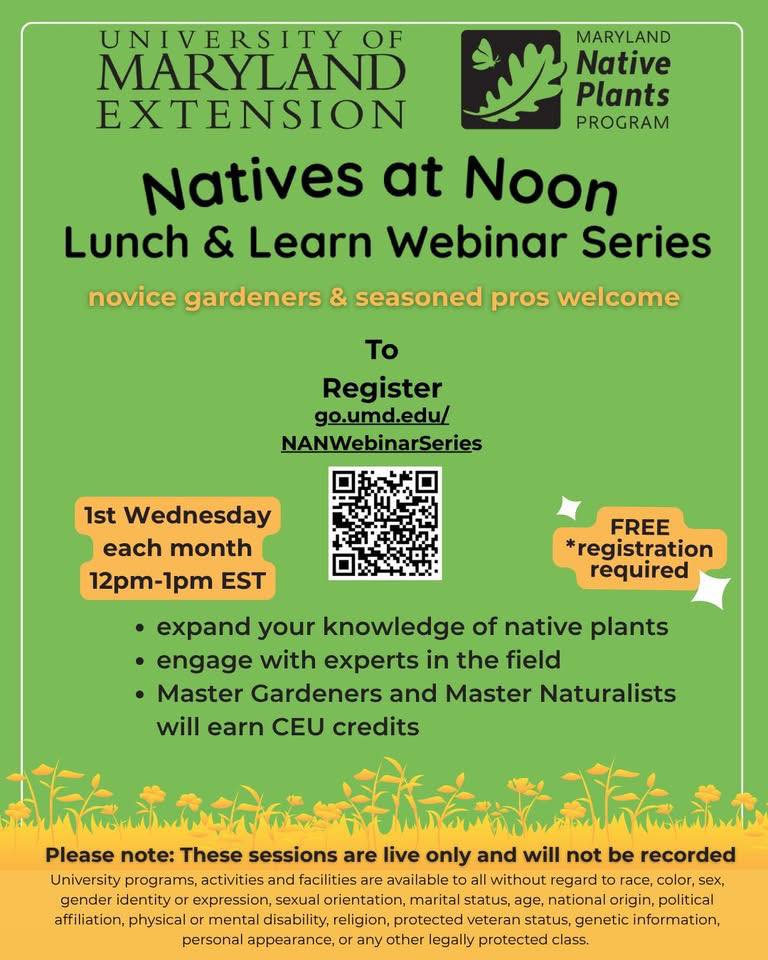
Hello! I’m your host, Lisa Kuder, from UMD Extension. Join us on the first Wednesday of each month from noon to 1 as we delve into various topics related to native plants. Whether you’re a novice or a seasoned professional, this series provides an opportunity to expand your knowledge and engage with experts in the field. Master Gardeners and Master Naturalists, these sessions are an excellent way to earn Continuing Education Units.
Although the presentations are free of charge, registration is required to attend. Don’t miss this chance to enhance your understanding of native plants while enjoying your lunch. Register to attend one or more of the live only sessions:
July 1st—From Wasteland to Wonder: Easy Ways We Can Help Heal Earth in the Sub/Urban Landscape Aug 5th—Timing is Everything: The Phenology of Native Plants in a Changing World
Sept 2nd—Saving Ash for Future Forest Oct 7th—Sacred Grounds: Moving from Behavior to Action by Growing Joy Nov 4th—Creating Food Forests
July 1st—From Wasteland to Wonder: Easy Ways We Can Help Heal Earth in the Sub/Urban Landscape
Wednesday, July 1
12pm – 1pm EST
Basil Camu, Treecologist & Wizard of Things, will discuss how the way we currently manage the suburban and urban landscape is creating a wasteland and harming the well-being of Earth. Fortunately, we have an alternative path: we can work with natural systems instead of working against them. During the presentation we will begin by examining how the systems of photosynthesis and soil formation work and how they affect water, carbon, and all other life on land. We will also discuss how we are damaging these systems. The remainder of this presentation are practices we can implement that help heal Earth based on firsthand expertise developed at Leaf & Limb.
Saturday, July 25 & Sunday, July 26, 2026, 12 p.m. – 4 p.m.
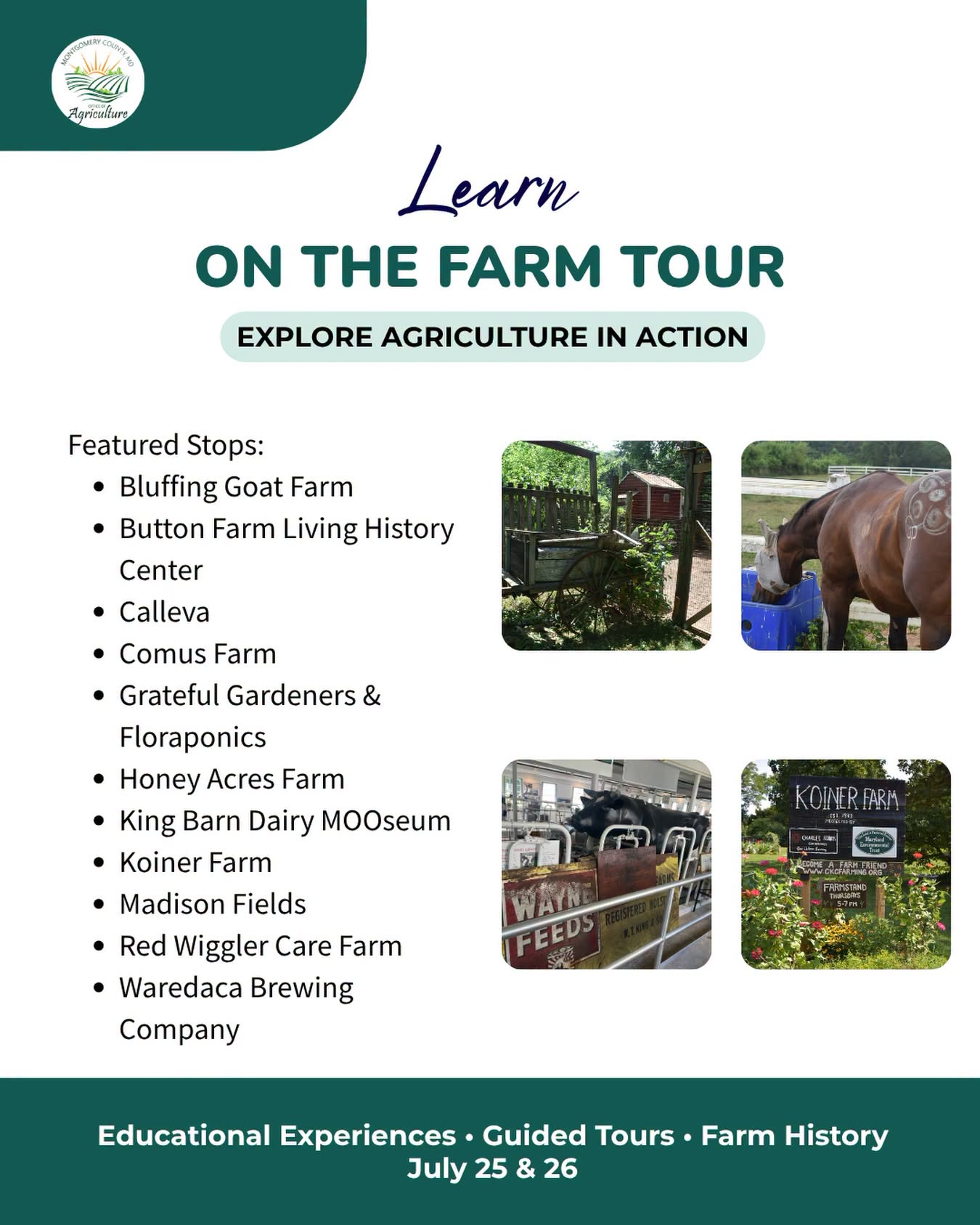
Explore agriculture in action during the 2026 Montgomery County Farm Tour. These stops offer educational experiences, demonstrations, guided tours, and opportunities to learn more about farming and local agriculture.
This annual event is held during the last full week of July—this year, July 25 and 26. A total of 26 farms are participating: 19 will be open both Saturday and Sunday, and 7 will be open on Saturday only. Hours vary by farm. Because this is a self-driving tour, you can visit one, several, or all 26 farms based on your own schedule and interests.
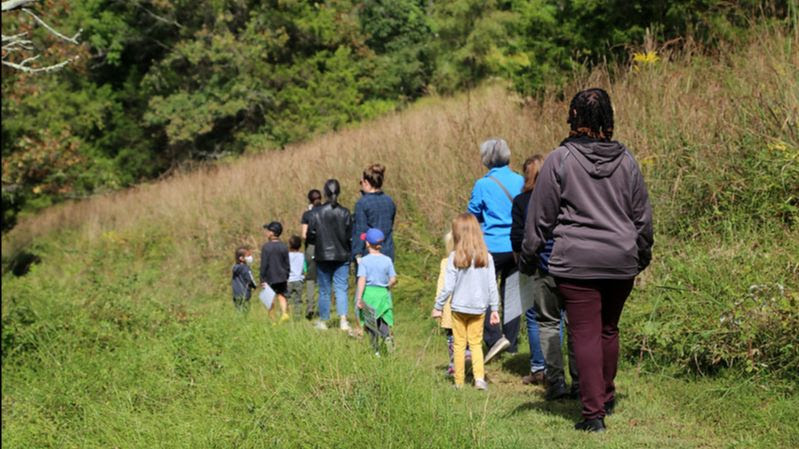
Come explore the Farm Park’s unique trails while uncovering its rich past with Hiking Histories! This 2–3 hour guided hike takes participants along the Farm Park’s 5.5 miles of trails, blending outdoor exploration with engaging historical insights. As we hike through meadows, woodlands and historic landscapes, you’ll learn about the people, places and events that shaped the area – bringing local history to life in a vivid and memorable way. Perfect for curious hikers and history enthusiasts alike, Hiking Histories offers a refreshing mix of exercise, discovery and a deeper understanding of the land beneath your feet.
We’ll meet in front of the big red barn on the historic side of the Farm Park – just follow the gravel road up toward the barn and park in the grassy lot marked “Visitor Parking.” Be sure to dress for the weather, wear sturdy footwear, and bring water.
Open Daily | 9 am to 3 pm | All Ages | $15.99 for Ages 13+, $10.99 for Ages 3 to 12 (includes $1.99 service charge), FREE for ages 2 and Under | Brookside Gardens
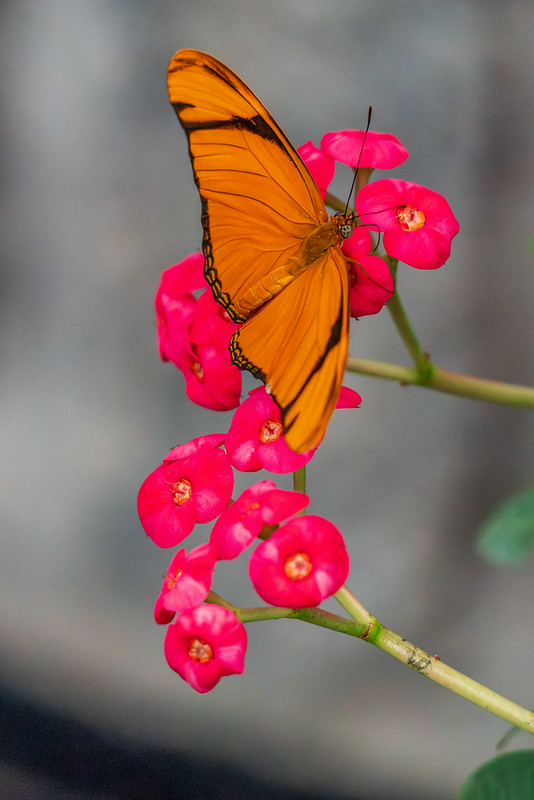
Immerse yourself in a world of fluttering wings at Brookside Gardens! Now through September you and your loved ones can enjoy butterflies from around the world while learning the important roles these pollinators play in a variety of ecosystems and how to ensure these beautiful insects thrive in our own gardens.
Discover the delicious world of edible flowers! Learn how common garden blooms and herbs can enhance recipes—from rose petal cocktails to calendula cream cheese—while offering health benefits and antioxidants. Explore over 20 varieties you may already grow, plus exotic options for next season. Dried flowers and herbs will be provided for participants to take home.
NOTE: This in person event will take place in the Visitor Center Adult Classroom, located at 1800 Glenallan Avenue, Wheaton, MD 20902.
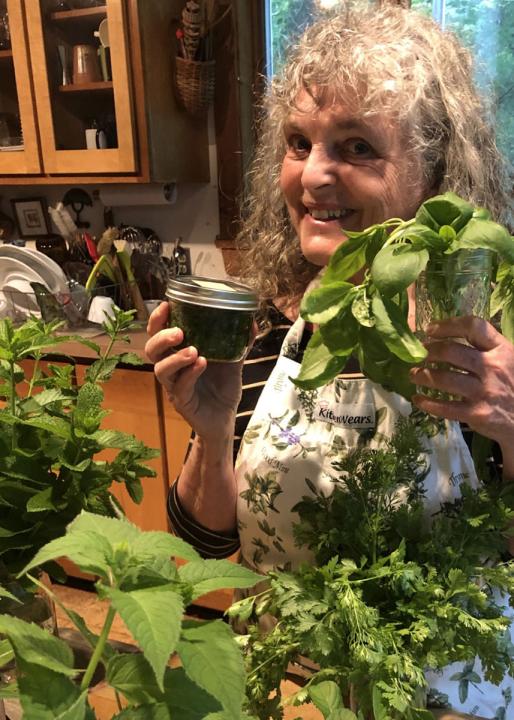
Learn how to harvest, dry, and preserve culinary herbs for maximum flavor. Susan will demonstrate practical recipes—from herbal pastes and butters to infused syrups, honey, and vinegars—using tips from her book Grow Your Own Herbs. Sample her creations and leave inspired, making and taking home your own herbal vinegar and herb-infused honey to enjoy at home.
NOTE: This in person event will take place in the Visitor Center Adult Classroom, located at 1800 Glenallan Avenue, Wheaton, MD 20902.
Daily from Thursday, August 27 to Friday, August 28 from 11:00 a.m. to 1:00 p.m. FREE / All ages / No registration required Location: Children’s Garden
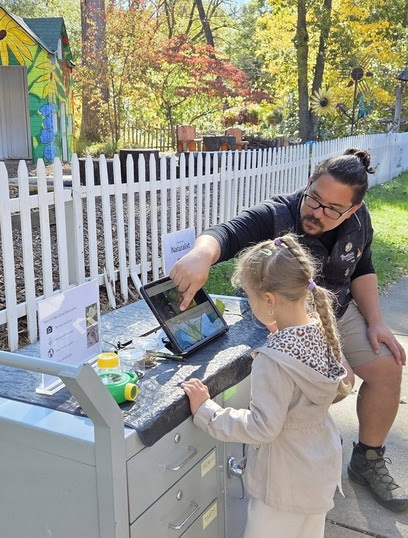
Celebrate National Pollinator Week with us and learn more about pollinators, their importance, and the plants they love. Enrich your garden visit with a fun pollinator scavenger hunt. Just stop by the Exploration Cart next to the Children’s Garden any time between 11:00 a.m. to 1:00 p.m.
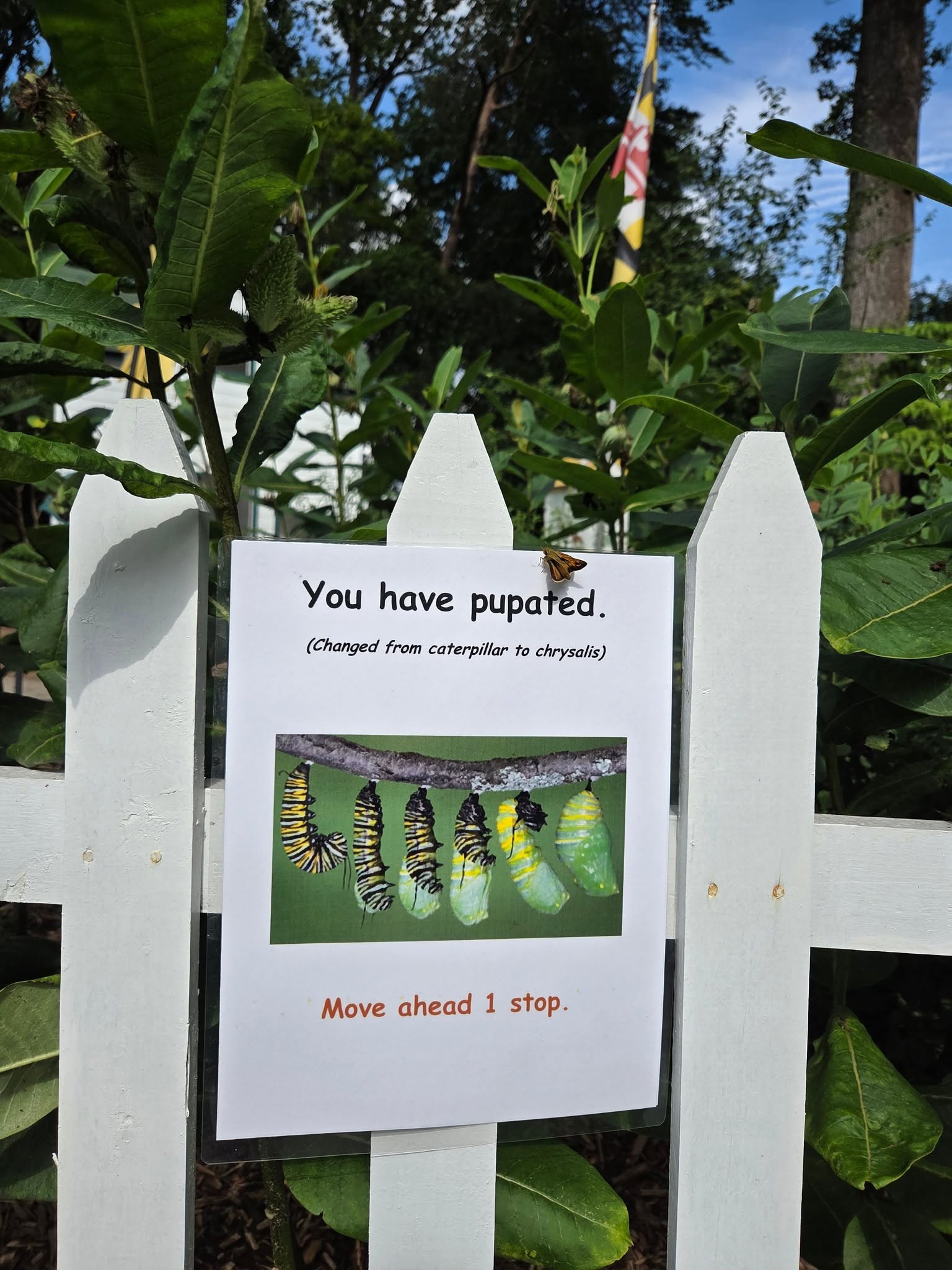
In the heat of the summer, monarchs, swallowtails, and other butterflies are busy outdoors in the gardens. Stop at the “hot spots” along the trail to identify different butterfly species, snap a few photos, and record observations in the nature journal provided. Meet at the Visitor Center and dress for the weather. **Note: this is an outdoor program that does NOT include tickets to the indoor butterfly experience.
Cultivars: Untangling the Complicated World of Cultivated Native Plants
Monday, July 13th, 6:00pm – 7:30pm, Zoom
Join Sam Hoadley, Mt. Cuba Center’s Manager of Horticultural Research, for a deep dive into the controversial and complicated world of nativars. Get a crash course on what makes a cultivar a cultivar and learn about which cultivars may, or may not, be beneficial for wildlife and where and when cultivars may be most appropriate in the modern landscape.
If you need a reasonable accommodation to participate in this event, please contact Stephanie Pully at pully@umd.edu or (301) 226-7616
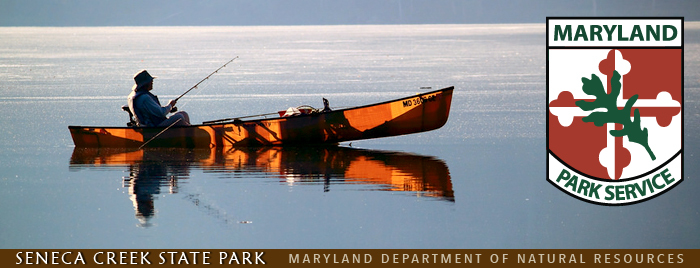
Seneca Creek State Park 11950 Clopper Road Gaithersburg, MD 20878
Here’s a link to Seneca Creek State Park’s July Programs. Featured events for July include Pontoon Tours, Weekday Hikes, Mindfulness Hike, Miles for Maryland Challenge Hike, Take Me Fishing, and more! These events are provided by The Friends of Seneca Creek State Park.
The only State Park entirely in Montgomery County, featuring Hiking, Disc Golf, Boating, Fishing, Peony Display Garden, Recycled Tire Playground, and Winter Lights display from Nov. 27th through December 31st. Entrance is free from November through March.
The Friends of Seneca Creek State Park collect dues and donations that are used to support the visitor experience in the park. We are a 501(c)(3) designated charity, so all donations, including dues, are tax deductible as allowed by law.
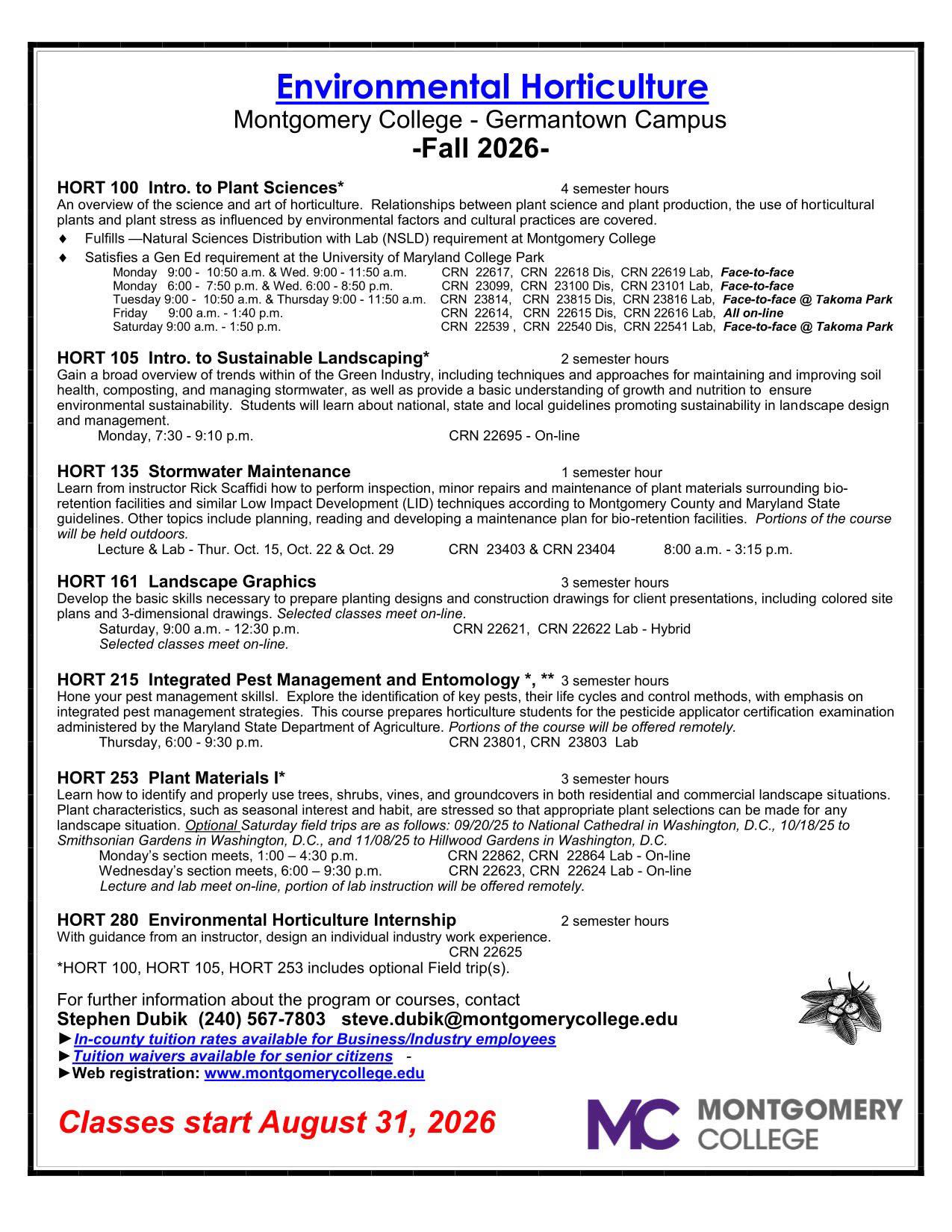
The courses described below are being offered by the Environmental Horticulture program at Montgomery College for the Fall term. In-county tuition rates are available for business/industry employees. Tuition waivers are available for senior citizens. For more information on the program of courses, contact steve.dubik@montgomerycollege.edu.
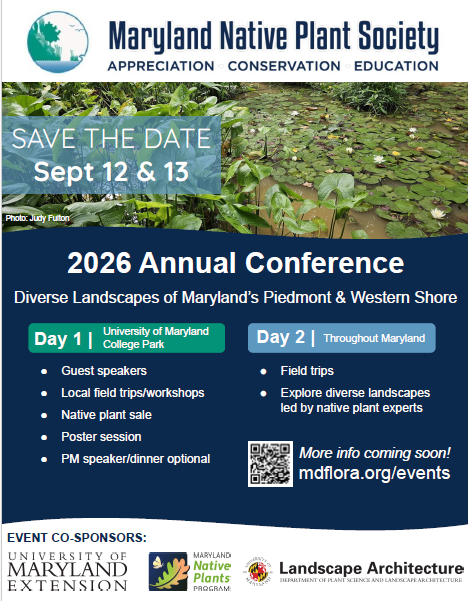
Maryland Native Plant Society Conference
Save the date! September 12 and 13, 2026
Diverse Landscapes on Maryland’s Piedmont and Western Shore
Day 1 at University of Maryland, College Park will feature guest speakers, local tours, native plant sale, and more.
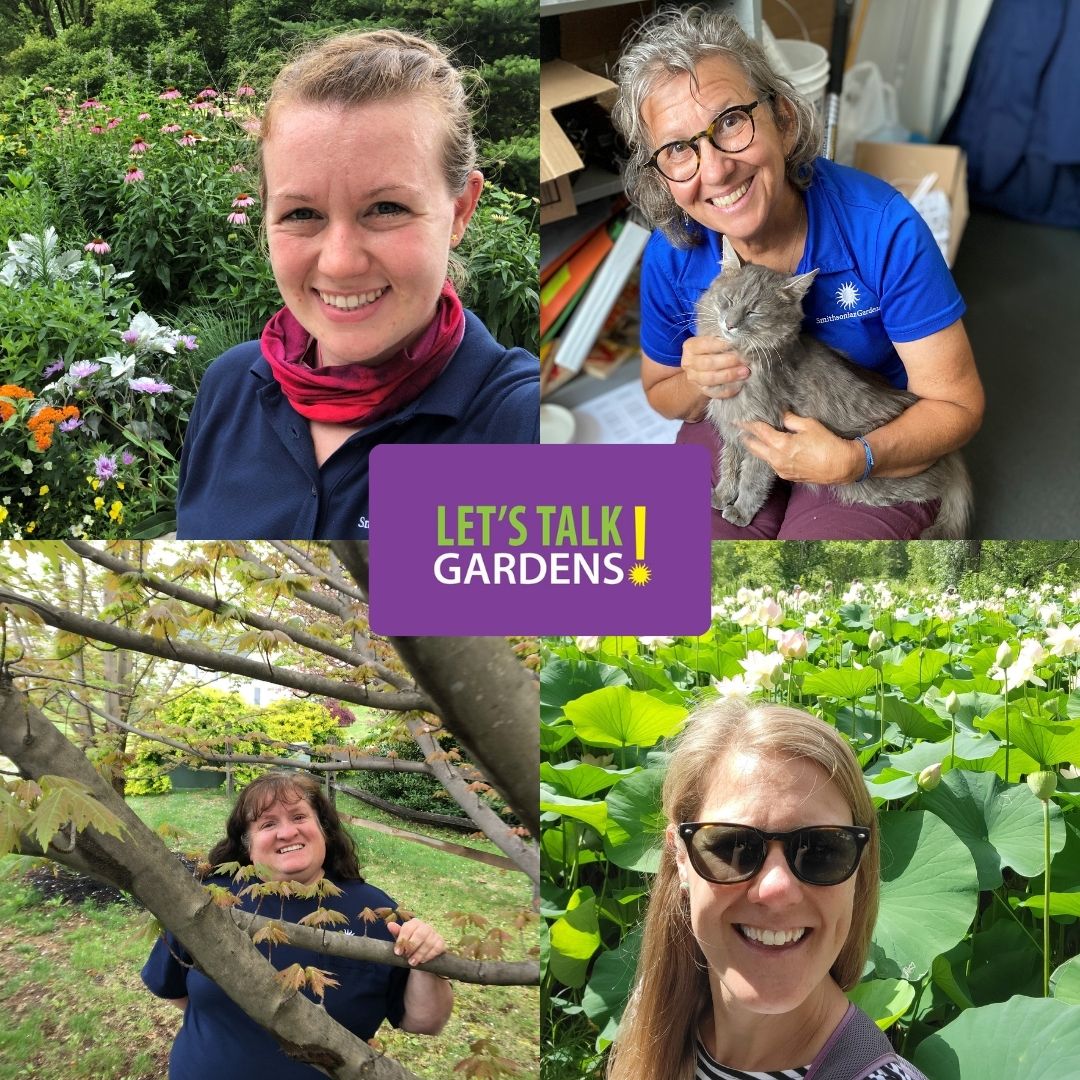
“Grow” your gardening know-how! Our free online gardening program, Let’s Talk Gardens, covers a wide range of topics presented by our own professional staff, as well as guest speakers.