Hello Friends, Neighbors, Fellow Gardeners,
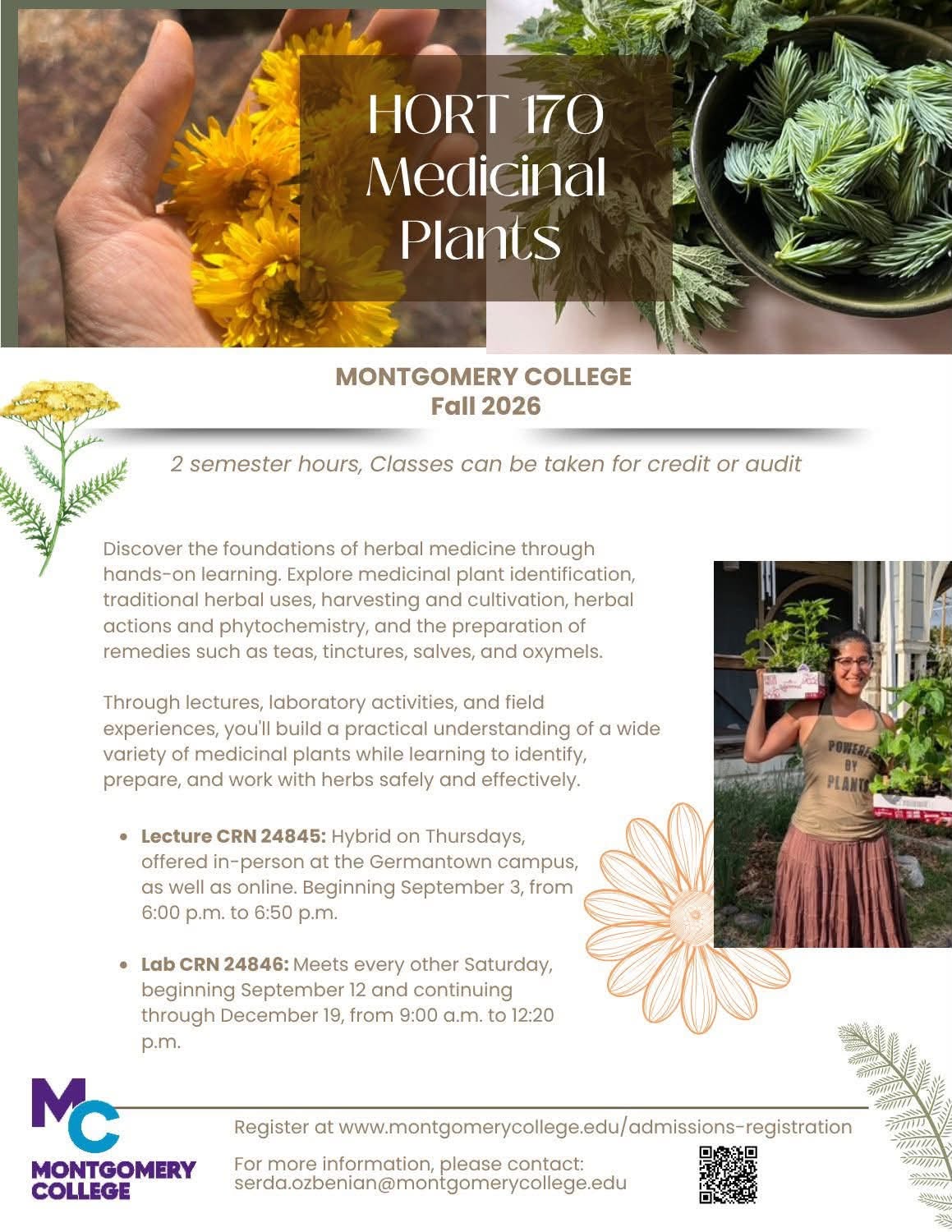
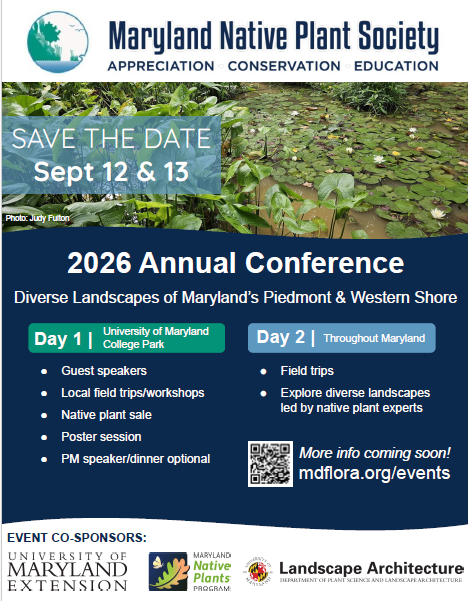
It’s time to enjoy your Fall Harvest! Here are some garden tips, educational opportunities, and videos for October. Some upcoming events/resources include Natives at Noon: Lunch & Learn Webinar Series, our MCT Garden Club Community Event: Get the Biggest Bang for Your Sweat with Smart Garden Practices, Montgomery Parks – Events: Agricultural History Farm Park: Harvest Festival, Fall Footprints, Hiking Histories, Brookside Gardens: Guided Mindfulness Walk – “Self-Care in Nature”, American Public Gardens Association – Regional Learning Series, Outdoor Guided Walk for Families: Gardening for Beginners, Glory of Fall Garden Tour, and Chrysanthemum & Conservatory Tour, Meadowside Nature Center: Ask a Naturalist, Walk Up Bird Walk, Seneca Creek State Park October Programs; Fall and Winter Garden Vegetables with Master Gardeners and Documentary Screening: Bird Walk @ Gaithersburg Library, Montgomery College: Lifelong Learning Home and Garden Classes – Fall 2026, Fall 2026 Environmental Horticulture classes, and more! A lot of gardening events are announced on Facebook as well as on our website. These events will be hosted as online or in-person events.
Planning Tips
- It is harvest time and also a good time to start taking stock of what worked well for this season and what didn’t.
- As beds empty, make changes to shape and size of beds.
- Collect plant seeds for next year’s planting and for trading.
- Gather seeds and carefully label them. Store in dry location.
- Take garden photos and make notes in your garden journal.
- Check your local garden center for end-of-summer bargains.
- Attend a local garden club meeting or plant exchange.
- Peruse fall bulb catalogs.
- Plan where fall bulbs to go.
- Plan landscape design projects.
- Design new beds and gardens.
- Clean, sharpen, and store your garden tools.
- Repair your shed and repair/paint your fences.
- Check out gardening books from your local library to read.
- Pick up new gardening books and magazines for inspiration.
- Volunteer at a local public or historic garden.
- Plan for 2027 with these Free resources: Landscaping with Native Plants by the Maryland Native Plant Society, Plant Invaders of Mid-Atlantic Natural Areas by the National Park Service, Master Gardeners of Northern Virginia Reading Room. Visit our Online Gardening Resources page for more helpful online resources.
- Buy a good gardening book or magazine subscription for a gift for your favorite gardener.
- Have a question about gardening? Check the University of Maryland Extension’s New Maryland Grows blog for garden tips.
Get the Biggest Bang for Your Sweat with Smart Garden Practices
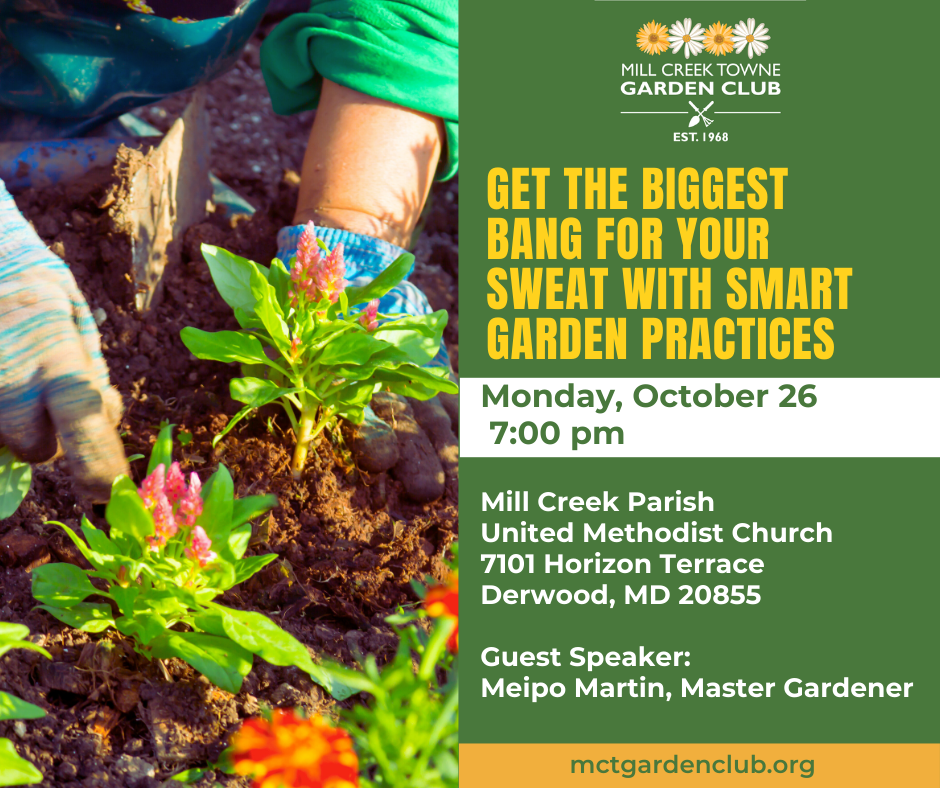
Monday, October 26
7:00 pm
Mill Creek Parish United Methodist Church
7101 Horizon Terrace
Derwood, MD 20855
Guest Speaker: Meipo Martin, Master Gardener
Join us for a special presentation “Get the Biggest Bang for Your Sweat with Smart Garden Practices”, by guest speaker, Meipo Martin, Master Gardener on Monday, October 26, 2026 at 7pm.
- FREE
- Light Refreshments provided
Ever wonder why your garden is not looking its best despite all the effort and resources you have poured in? Maybe it is time to rethink the way you garden. Come learn better ways to improve your soil, suppress weed, help your plants grow stronger and healthier with less water, less garden products and, most importantly, less work!
Meipo Martin bio:
Meipo Martin was born in Hong Kong, where she started growing houseplants and herbs on the apartment windowsill. In 1998, she moved to the United States. In her new garden, her love for plants came into full bloom and she became a Montgomery County Master Gardener in 2015. Meipo believes gardening should be accessible to all, and it does not have to be expensive or hard. To share her knowledge, Meipo gives a variety of presentations on gardening methods for the master gardener organization. When she is not gardening, Meipo is a wife, an Aikido instructor, a woodcarver, a blogger and a sewist.
RSVP: info@mctgardenclub.org
Please do NOT attend this event if you are or have been experiencing symptoms of illness.
THIS EVENT IS FREE, BUT DONATIONS ARE ALWAYS APPRECIATED!
Donations pay for landscaping, repair and maintenance of the Mill Creek Towne Entrances, and our garden-related programs at our community meetings.
NOTE: If Montgomery County Schools are closed due to inclement weather, the Garden Club meeting will be cancelled.
Join Mill Creek Towne Garden Club!
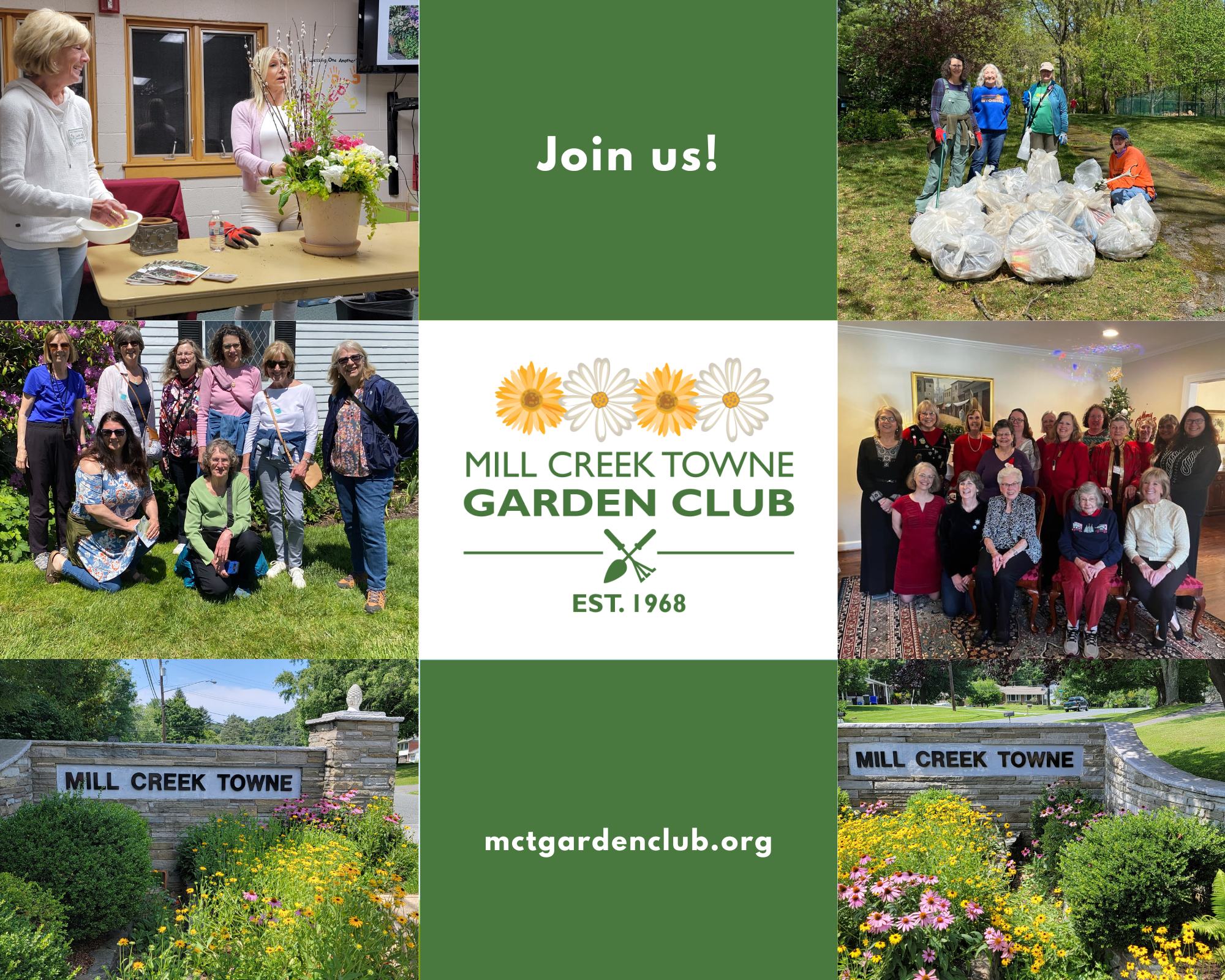
- Are you interested in gardening? Perhaps you’re a beginner, looking to learn more, or an experienced gardener interested in sharing your experiences and learning from others?
- Are you interested in making your home and community a more beautiful place to live?
- Are you interested in getting more involved in your community and getting to know your neighbors better?
Visit Our MCT Garden Club Website for Gardening Resources

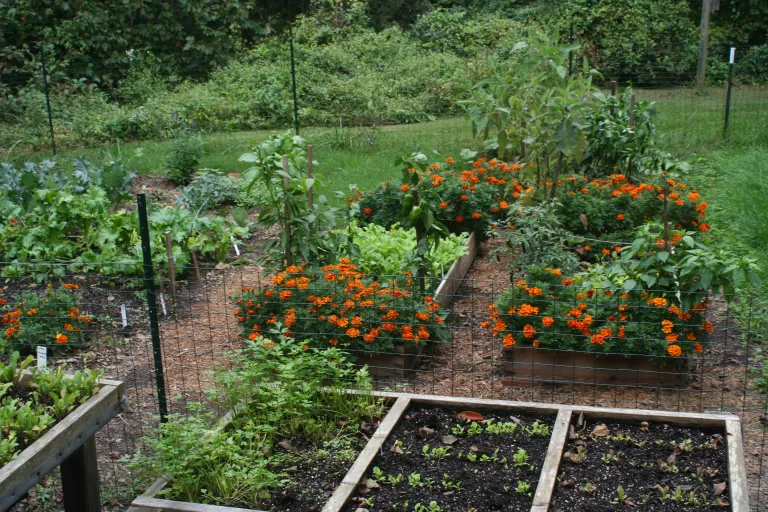
- Local Gardening Resources: Looking for a Master Gardener as a guest speaker, need gardening advice, or want to learn about resources in or near Mill Creek Towne? Visit our Resources page for details.
- MCTGC Blog: Check our monthly blog for garden tips and local/online garden-related events.
- Gardening Books: Looking for a gift for your favorite gardener? Visit our Gardening Books Resources page for holiday gift ideas.
- Local Gardens: Visit our Local Gardens page to learn about local gardens in our area.
- Montgomery County Farmers’ Markets: Support our local farmers. Check this page to learn about local farmers markets in our area or join a CSA and get fresh local produce year-round!
- Online Gardening Resources: Looking for gardening apps or online resources to help with your gardening? Check out our Online Gardening Resources page for some apps for your smartphone and online gardening resources focused on the DMV area.
- Recipes: Looking for a recipe for your home-grown veggies and fruit? Check our Recipes page for ideas.

Maryland Grows Blog
In weekly posts on MD HGIC’s blog, learn about pollinator conservation, growing native plants and food, and how to solve plant pest and disease problems.
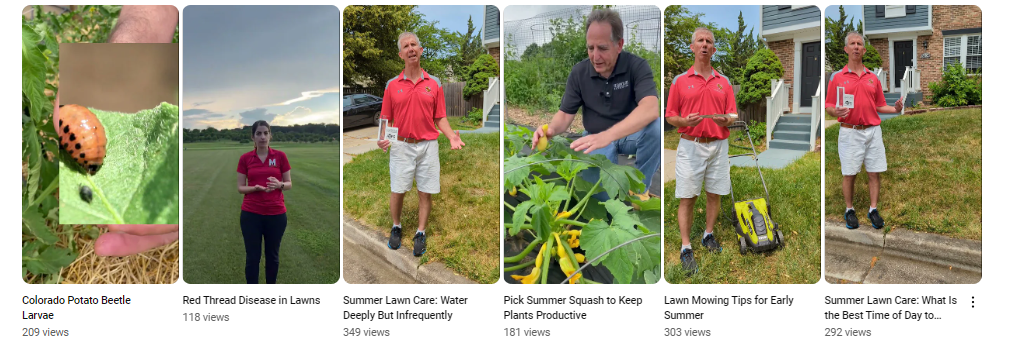
MD HGIC Video Tips
Our Extension experts are sharing one-minute video tips to help you in the garden this summer. We’re talking about pest management in the vegetable garden, tree and lawn diseases, native plants, mowing lawns, and more!
For more information, please visit:
 |
|
What can Master Gardeners do for you?
- Help you select and care for annual and perennial plants, shrubs and trees.
- Determine if you need to test your soil.
- Provide you with information on lawn care.
- Identify weeds, beneficial and noxious insects, and plant diseases and remedies.
- Teach you how to use pesticides, mulch and compost.
- Guide you in pruning trees and shrubs.
- Provide you with options for managing wildlife.
- Provide you with gardening resources.
- Help you submit a plant sample for diagnosis
Plant Clinics are held at several sites in the county on a weekly basis and at special events such as garden festivals and the county fair. Regularly scheduled Plant Clinics are located at public libraries and farmers’ markets throughout the county as well as at the Audubon Naturalist Society in Chevy Chase. There are also clinics three days per week at Brookside Gardens. The busiest season is April through September, but some clinics are open year-round. Bring your plant samples and questions to one of these locations in Montgomery County, MD (see link below to find a location near you):
https://extension.umd.edu/mg/locations/plant-clinics
UMD Home and Garden Information Center: Ask a Master Gardener
Do you have a gardening question? Our Certified Professional Horticulturists, faculty, and Master Gardener Volunteers are ready to answer – year-round!
See below to ask a master gardener a question on the UMD Extension website:
Buy Fresh Produce and Support Farms at County Farmers Markets
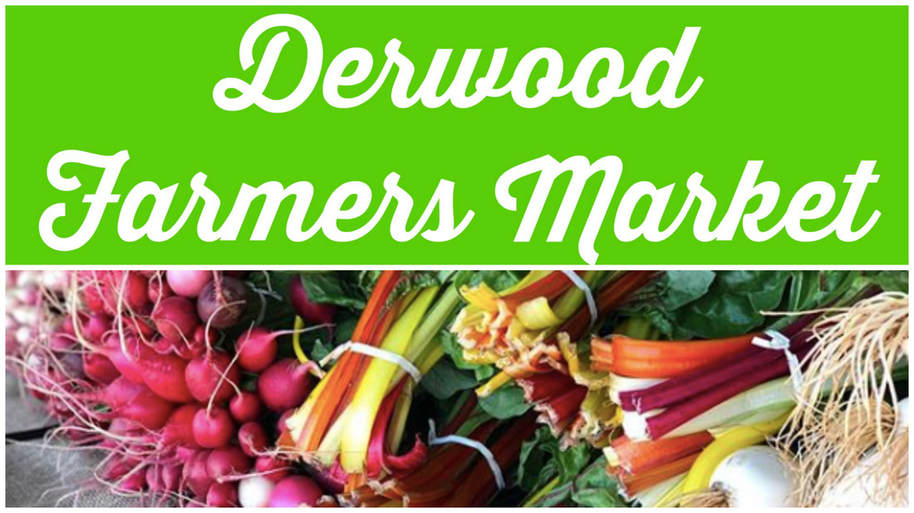
The 9th season of the Derwood Farmers Market is here! Come enjoy fresh produce, live music, friends & food trucks.
16501 Redland Rd, Rockville, MD 20855
SATURDAYS, 9AM – 1PM
until October 10, 2026
Visit the Derwood Farmers Market on Saturdays and enjoy the amazing flavors our food and beverage vendors are bringing to the table! Whether you’re planning your market brunch, stocking up on fresh-baked treats, or cooling off with a smoothie, there’s something delicious waiting for you. Our market participates in nutrition assistance programs including eWIC & matching dollars for SNAP. The Derwood Market also collects food scraps for composting through a partnership with the Department of Environmental Protection.
Ready to plan your first taste adventure? See the full list of vendors here:
www.milkladymarkets.org/derwood-market
We can’t wait to see you! Let’s celebrate fresh flavors, good company, and our amazing community together.
Maryland’s Best Native Plant Program
The Maryland Department of Agriculture (MDA) in partnership with University of Maryland Extension, the Department of Natural Resources, and the Maryland Native Plant Society is proud to introduce the MDA’s Maryland’s Best Native Plant Program.
This program aims to bring education, awareness, and recognition to consumers and producers about the importance of native plants by:
- creating a Commercial Maryland Native Plant List to help nurseries and consumers choose the most attractive and best plants for the environment
- recognizing retailers, wholesalers, and growers who are selling native plants via a tiered (bronze, silver, gold), voluntary certification program, and helping consumers know where to buy native plants
- providing marketing materials- including a MD Native Plant logo- to help consumers identify what’s native to Maryland
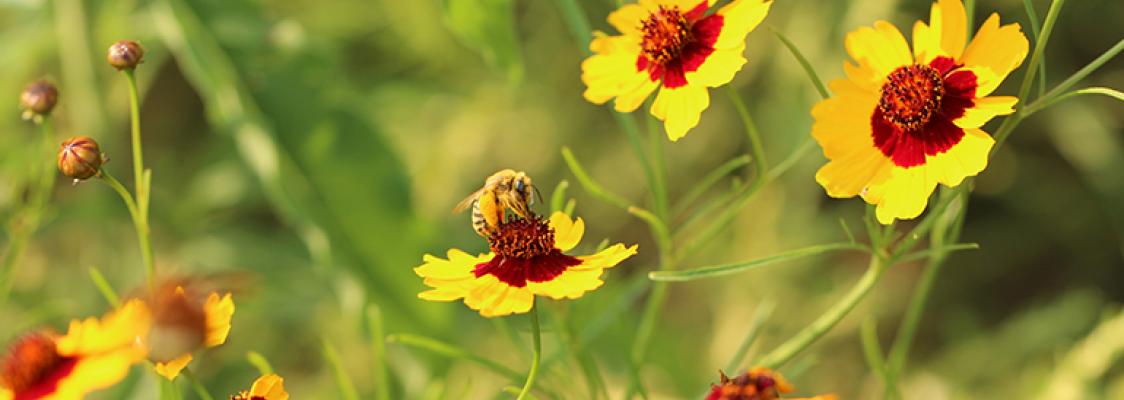
Check out the revised list of Mid-Atlantic native plants for pollinators and beneficial insects, from the Xerces Society.
Flowers and Groundcovers
- From mid-October through November, plant hardy bulbs for spring flowering.
- Pull out spent annuals.
- Plant hardy mums and fall season annuals.
- Dig up bulbs from your Gladiolus, Canna, Caladiums, and other tender bulbs; cut off foliage; let dry for a week; and store for the winter.
- Sow wildflower seeds, such as California Poppies, for next spring.
- Start shopping for spring bulbs.
- Continue removing diseased leaves. Put diseased leaves, pesticide-laden grass clippings and weed seeds in your trash, not your compost bin.
- Leave seedheads on Black-eyed Susans, Echinacea, Goldenrod, Sunflowers, and Thistles for the birds to enjoy over winter.
- Continue to divide and transplant perennials.
- Preserve dry flowers for display in the fall.
- Start collecting plant seeds for next year and for trading.
- Check pots and containers daily for water needs.
- Look for evidence of pest or fungal disease throughout your garden.
- Weed and weed some more.
- Check for black spot on your roses – remove and discard any affected leaves in the trash, never back into your garden or in your compost – apply fungicide with Neem oil every two weeks during the growing season.
- Inspect for powdery mildew. If seen, prune back perennials to create needed circulation. Discard properly (i.e., not in your compost bin).
- Rake up weeds and their seedlings, especially look for fast-growing vines such as honeysuckle, autumn clematis, bittersweet, wild grape, Virginia creeper, and poison ivy.
- Pests to watch for: Aphids, spidermites, whiteflies, snails, slugs, deer, voles
- Diseases to watch for: bacterial diseases, Blackspot on roses, Fungal leaf spot, powdery mildew, rust
- See UMD’s HGIC Garden Tips for more details.
- For a list of native plant resources, visit: https://extension.umd.edu/hgic/topics/native-plant-resources
5 Million Trees Initiative
Maryland’s goal is to plant and maintain 5 million native trees by 2031. There are various ways you can get involved – plant trees and register them — or volunteer! A number of tree-planting assistance programs are available at the municipal, county, and state levels.
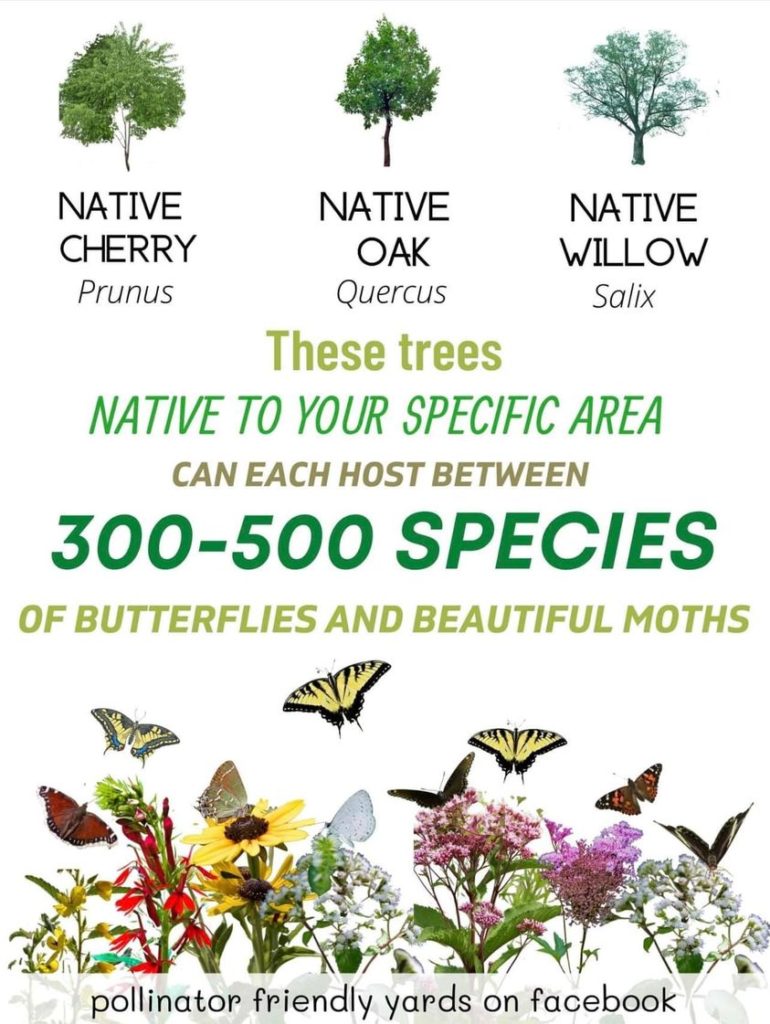
THIS is the SUPERPOWER of YOUR KEYSTONE NATIVE PLANTS.
- No exotic plant could ever achieve this.
- Want butterflies? Feed the caterpillars with keystone plants!
- Exotic plants will never support as many different species of caterpillars as the Keystone Natives can.
- Find your keystone native plants here by zip code.
If your zip code doesn’t give you enough information try zip codes of the nearest larger town or city. LINK: https://www.nwf.org/NativePlantFinder/
Trees and Shrubs
- Transplant trees when leaves begin to color.
- Check for bagworms, pick off bag, and dispose of them.
- Prune evergreens to get in shape for fall/winter.
- If your conifers start shedding their needles or your spring bulb foliage starts peeking out of the ground, don’t worry. This is normal for our autumn cycle.
- Take cuttings from azaleas, boxwoods, and camellias to start new plants.
- Thin out small trees and cut off any suckering branches growing from the bottom root ball.
- Transplant trees and shrubs.
- Plant evergreens for winter interest.
- Prune foundation shrubs and trees to be no closer than 1 foot from the house.
- Contact a certified arborist to have your trees’ health inspected.
- Directly after blooming, prune flowering shrubs and vines.
- Prune boxwoods.
- Get a soil test.
- Prune long shoots on shrubs to keep plant neat looking.
- If you must mulch: Remove old mulch, then add 2″ – 3″ shredded pine or pine needles, keeping 3″ away from trunk.
- Clean your gutters.
- Do not fertilize newly planted or transplanted plants the first year.
- Check often and water newly planted trees if they don’t pass the finger test (stick your finger deep into soil – dry? Water!)
- Prune broken, dead, diseased, or damaged branches.
- Keep an eye out for bark damage from rabbits or deer.
- Check for vole problems and set out traps.
- Spray broadleaf evergreens with anti-desiccant to prevent dehydration.
- Use fallen leaves for mulch or compost.
- Look out for any Poison Ivy vines, which will turn crimson in the fall and be easy to distinguish from other vines.
- Weed – especially look for fast-growing vines such as honeysuckle, autumn clematis, bittersweet, wild grape, Virginia creeper, and poison ivy. Remove Ivy, Pachysandra, and other vine-like groundcover from under shrubs.
- Mulch or compost healthy leaves.
- Continue to remove fallen, diseased leaves.
- Put diseased leaves, pesticide-laden grass clippings and weed seeds in your trash — not your compost pile.
- Turn your compost pile weekly and don’t let it dry out. Work compost into your planting beds.
- Apply scale and dormant oil treatment before dormancy breaks to decrease pest infestations.
- Remove dead and dying trees.
- Pests to watch for: aphids, azalea lacebug, bagworms, caterpillars, deer, gypsy moths, Japanese beetles, leafminers, sawfly, scale, spidermites, voles, and webworms.
- Diseases to watch for: Apple scab, Cedar-apple, hawthorn or quince rust, Verticillium wilt, Oak leaf blister.
- For more tips, see UMD’s HGIC Garden Tips for more details.
Herbs, Veggies, and Fruit
- Keep an eye out for the first frost date. In Zone 6, it is expected between September 30 and October 30. In Zone 7, it is predicted to be between October 15 and November 15.
- Harvest most fruit before frost.
- Harvest sweet potatoes.
- Set up a cold frame, then plant lettuces, radishes, and carrots from seed.
- Dig up and store potatoes in a cool spot.
- Continue planting cool-season vegetables; plant garlic now through the end of October.
- This is a good time to have your vegetable garden and landscape soils tested.
- Pick apples or pumpkins at your local pick-your-own farm or visit a local farmer’s market.
- Watch your pumpkins/squash. Harvest them when their rinds are dull and hard.
- Plant cover crops in vegetable gardens and annual beds (for example, rye, clover, hairy vetch, and winter peas).
- Pot up rosemary and chives for over-wintering indoors.
- Pick mature tomatoes and peppers to ripen on your window sills.
- Remove rotting fruits from fruit trees and compost them.
- Harvest leaves of herbs used in cooking (rosemary, basil, sage) in early morning, for best flavor.
- Plant cool-season vegetables (beets, Brussels sprouts, carrots, cauliflower, Chinese cabbage, kale, kohlrabi, lettuce, radish, spinach, turnips).
- Harvest your herbs often and keep them trimmed back to encourage leafy growth. Dry them indoors if you can’t use them right away.
- Order garlic, onions, and shallots for fall planting.
- Deadhead garlic chives before they go to seed. Makes a nice cut-flower.
- Remove finished plants.
- Cut off bottom, yellowed foliage on tomato plants.
- Mulch strawberry beds for winter.
- Harvest regularly from your vegetable garden to prevent rot and waste.
- Harvest onions when the tops die back.
- Sow seeds of fall crops such as broccoli, turnips, cauliflower, etc. in late July.
- New fruit plants – keep watered their first spring, summer, and fall.
- Hand-pick cabbage worms from cabbage and brocolli.
- Gently clean up the garden, add 1 inch of compost.
- Divide perennials and herbs.
- Till and add organic matter to annual/vegetable beds.
- Pick peas often to encourage the plants to produce more.
- Store your fertilizer and seeds in a rodent-proof container.
- Apply dormant oil spray to fruit trees.
- Pests to watch for: Asparagus beetle, aphids, birds, cabbage worms, corn borer, corn earworm, cutworms, rabbits, deer, and tomato hornworm.
- Diseases to watch for: Apple scab, Cedar-apple rust. fungal, bacterial, and viral diseases.
- Here are some more UMD’s HGIC Garden Tips.
Lawns
- Fertilize your lawn and re-seed if needed.
- Apply fertilizer and lime to turfgrass based on soil tests.
- Cool season lawns go dormant in hot, dry weather – Do Not Water.
- Water established lawns deeply but infrequently!
- Divide ornamental grasses.
- Mow in the early evening and cut off no more than one-third of the grass height at a time. Leave clippings on the ground to improve water clarity.
- Mow grass at 3 inches and leave the clippings on the lawn.
- Mow zoysia grass at 2″.
- Fertilize turf only if week. Apply 1 lb. N/1000 sq. ft.
- Calibrate your spreader before fertilizing!
- Control wild onions in warm season turf with broadleaf weed control.
- To control crabgrass, apply pre-emergent herbicide to lawn (when forsythia blooms drop).
- Do soil preparation – add lime, compost, etc. as needed.
- Clean yard of leaves and other debris.
- Mulch bare areas.
- Apply grub control to your lawn.
- Sharpen your lawnmower blade.
- Check and tune-up power equipment (mowers and trimmers).
- Turn your compost pile.
- Diseases to watch for: brown patch, and red thread
- Pests to watch for: Grubs
- See UMD’s HGIC Garden Tips for more details.
Indoors/Houseplants
- Force the buds on Christmas cactus by placing in a cool (55-60 degree) room for 13 hours of darkness.
- Pot up Paper Whites and Amaryllis for holiday blooming.
- Re-pot the houseplants you’ve moved outdoors for the summer.
- Lightly fertilize indoor plants.
- Re-pot root-bound houseplants and start fertilizing them when new growth begins.
- Mist indoor plants and set up pebble trays to increase humidity.
- Deadhead flowering plants.
- Scan houseplants for insect activity.
- Maintain moisture in pots, but do not overwater!
- Give your houseplants a quarter turn every few weeks.
- Keep all houseplants out of drafts and away from heat vents.
- Keep succulents and cacti on the dry side.
- Check on your container plants daily and keep them well-watered.
- Remove old leaves, damaged stems.
- Dust your houseplants with a slightly damp cloth to prevent dust and film build-up.
- Pests to watch for: aphids, spider mites, mealybug, scale, stinkbugs, and whitefly.
- See UMD’s HGIC Garden Tips for more information.
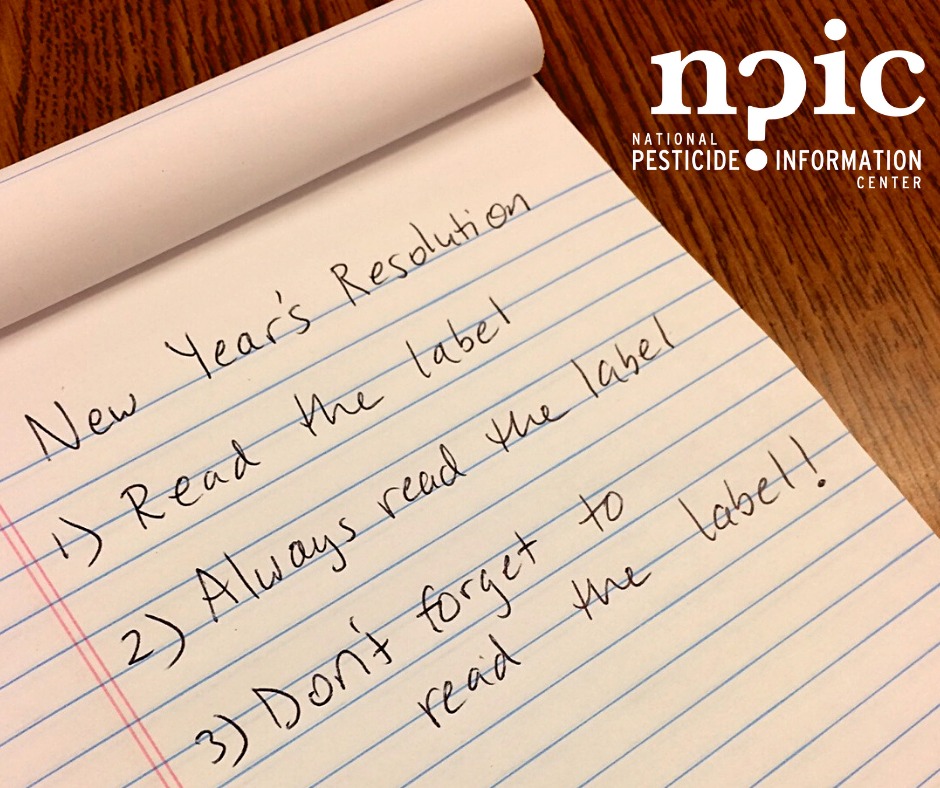
Read and follow label instructions on all pesticides and herbicides.
Start the year off by minimizing your #risk to #pesticides and always #ReadTheLabel! Learn more here: http://npic.orst.edu/health/readlabel.html
Questions about your label? Call us! 800-858-7378 M-F 8am-12pm PST
Indoor/Outdoor Insect and Wildlife Tips
- Look for slug trails in the early morning and put out Sluggo bait as needed.
- If you find slug damage, set out beer traps or Sluggo pellets.
- Hand-pick or cut out any bagworm cocoons.
- Hand-pick Japanese Beetles or shake them off over a bucket of dishwater. Early morning is a good time to catch them, while they are still drowsy.
- This is the perfect time to apply grub control.
- Keep cutworms off newly planted edible seedlings by surrounding the seedlings with a collar cut from a plastic bottle or cardboard tube.
- Caulk and seal your outside walls to prevent insect entry into your home.
- Check indoors for termites and ants.
- Put up birdhouses.
- Put suet out for birds.
- Keep bird feeders clean and filled and provide a source of water.
- Clean out your hummingbird feeders and add new sugar-water every three days.
- Leave hummingbird feeders out until October 15.
- Wash out birdbaths daily with diluted bleach solution.
- Switch your deer deterrent spray. Re-apply after heavy rains.
- Set out traps for mice, moles, and voles.
- Watch for: eggs, larvae, carpenter ants, flies, stink bugs, termites, rabbits, raccoons, groundhogs, deer, mice, moles, snakes, squirrels, and voles.
- For more information, see UMD’s HGIC Garden Tips.
Source: University of Maryland’s Home and Garden Information Center (HGIC) and the Washington Gardener.
See more tips from HGIC:

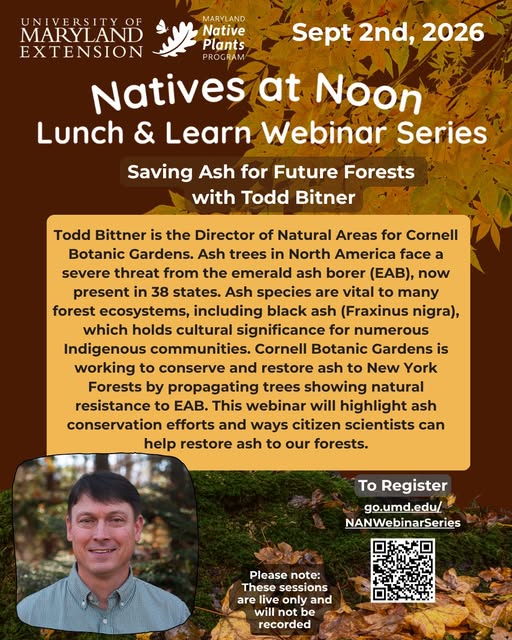
Natives at Noon: Lunch & Learn Webinar Series
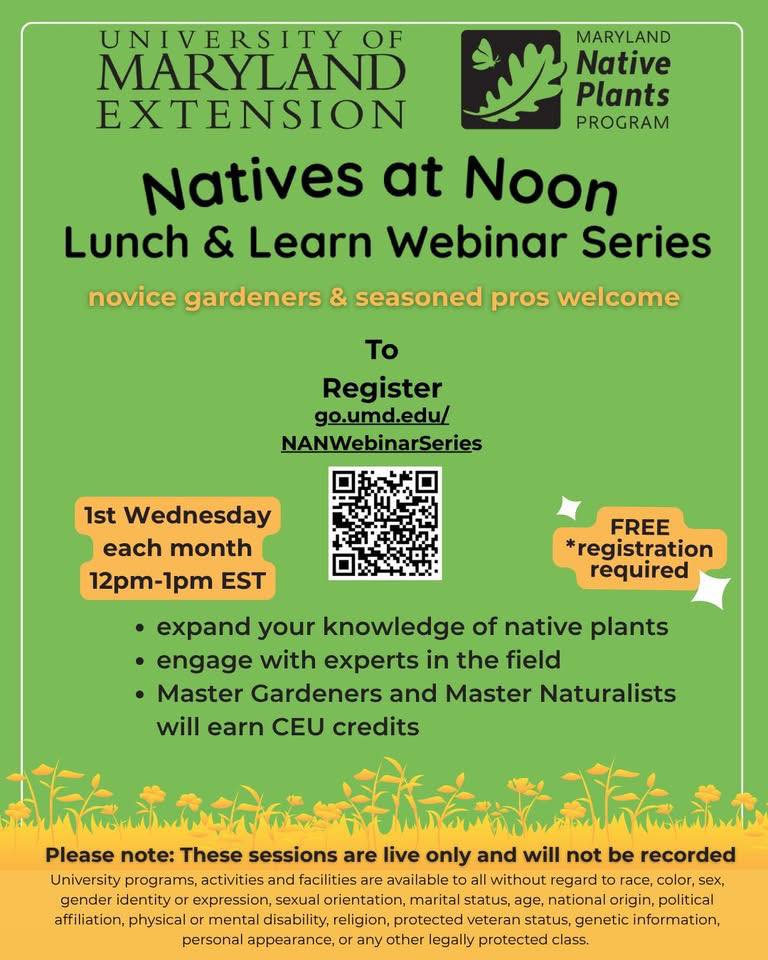
| Hello! I’m your host, Lisa Kuder, from UMD Extension. Join us on the first Wednesday of each month from noon to 1 as we delve into various topics related to native plants. Whether you’re a novice or a seasoned professional, this series provides an opportunity to expand your knowledge and engage with experts in the field. Master Gardeners and Master Naturalists, these sessions are an excellent way to earn Continuing Education Units. Although the presentations are free of charge, registration is required to attend. Don’t miss this chance to enhance your understanding of native plants while enjoying your lunch. Register to attend one or more of the live only sessions: |
| Oct 7th—Sacred Grounds: Moving from Behavior to Action by Growing Joy | Nov 4th—Creating Food Forest |
Sept 2nd—Sacred Grounds: Moving from Behavior to Action by Growing Joy
Wednesday, Oct. 7
12pm – 1pm EST
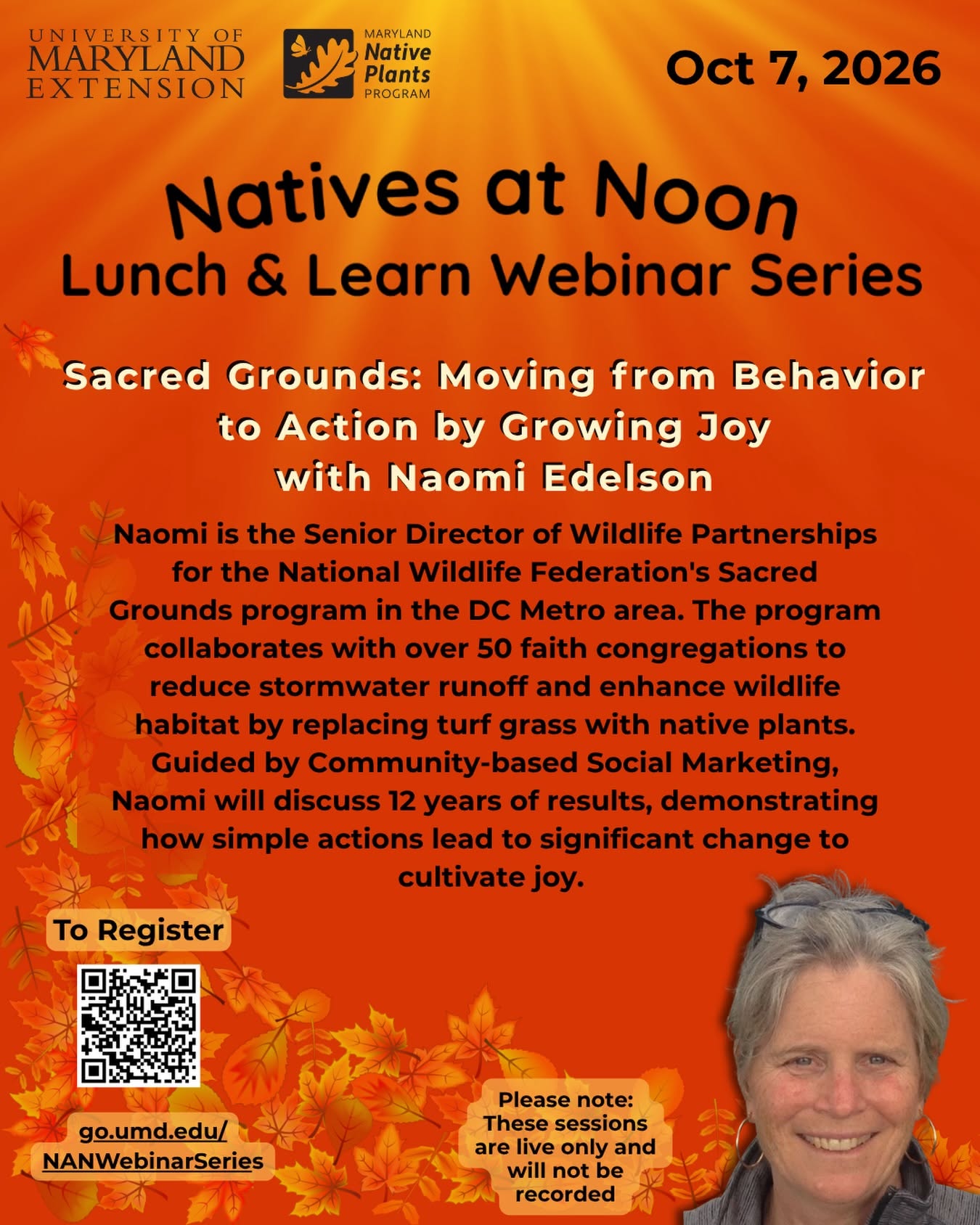
Naomi Edelson is the Senior Director of Wildlife Partnerships. The National Wildlife Federation’s Sacred Grounds program partners with faith congregations and their members to change their behavior to reduce stormwater runoff and increase wildlife habitat. Working with more than 50 DMV congregations we have helped congregations and members replace turf grass with native plants. Our work with the congregations is guided by the approach of Community–based Social Marketing, a behavior change model. We will share the results of the past 12 years including tactics and survey results that show starting with low barrier actions leads to further and more significant change and literally grows joy and ambassadors to extend the reach and impact.
If you need a reasonable accommodation to participate in this event, please contact Lisa Kuder at lkuder@umd.edu two weeks prior to the webinar.
Montgomery Parks – Events

Harvest Festival
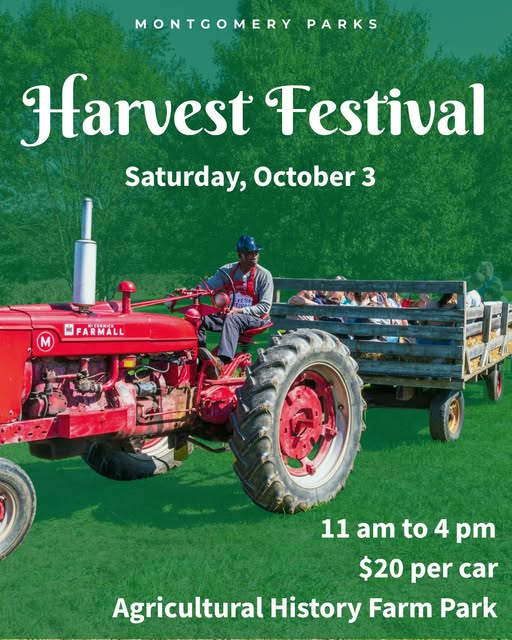
Saturday, October 3, 2026
11 am to 4 pm
Location:
Agricultural History Farm Park
18400 Muncaster Road
Derwood, MD 20855
Fee: $20/car (cash only)
Come join us for a fun-filled fall day at the Farm Park with traditional crafts, activities, music, and food during our Annual Harvest Festival on Saturday, October 3!
https://montgomeryparks.org/events/harvest-festival
Fall Footprints
1:00PM – 2:00PM
Location:
Agricultural History Farm Park
18400 Muncaster Road
Derwood, MD 20855
Fee: $5.00
Age Range: All Ages
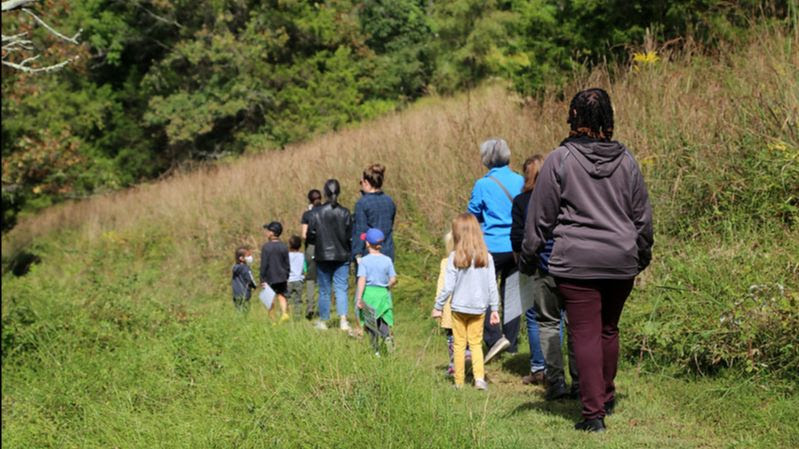
Come join us this Fall for a fun walk around the farm park to see the beautiful autumn colors! Friendly guides will show you parts of the park you might not have seen before or that look different in the Fall, while sharing a bit of the site’s vast and remarkable history. We walk at a leisurely pace, along natural trails that encircle the Farm Park’s beautiful landscape.
We will walk in almost all kinds of weather. If the weather is really bad, we will send an email to let you know if the walk is canceled. Please check the weather and wear clothes that fit the day.
We will meet at by the Ag Services Building. When you get to the park’s main road, continue straight towards the modern building and park in one of the paved lots. The walk is easy and slow, but bring water and be ready to walk on natural paths that might be uneven.
Hiking Histories
Tuesday, October 20, 2026 | 11 am to 2 pm | All Ages | $12 |
Agricultural History Farm Park
18400 Muncaster Road
Redland Maryland 20855
Come explore the Farm Park’s unique trails while uncovering its rich past with Hiking Histories! This 2–3 hour guided hike takes participants along the Farm Park’s 5.5 miles of trails, blending outdoor exploration with engaging historical insights. As we hike through meadows, woodlands and historic landscapes, you’ll learn about the people, places and events that shaped the area – bringing local history to life in a vivid and memorable way. Perfect for curious hikers and history enthusiasts alike, Hiking Histories offers a refreshing mix of exercise, discovery and a deeper understanding of the land beneath your feet.
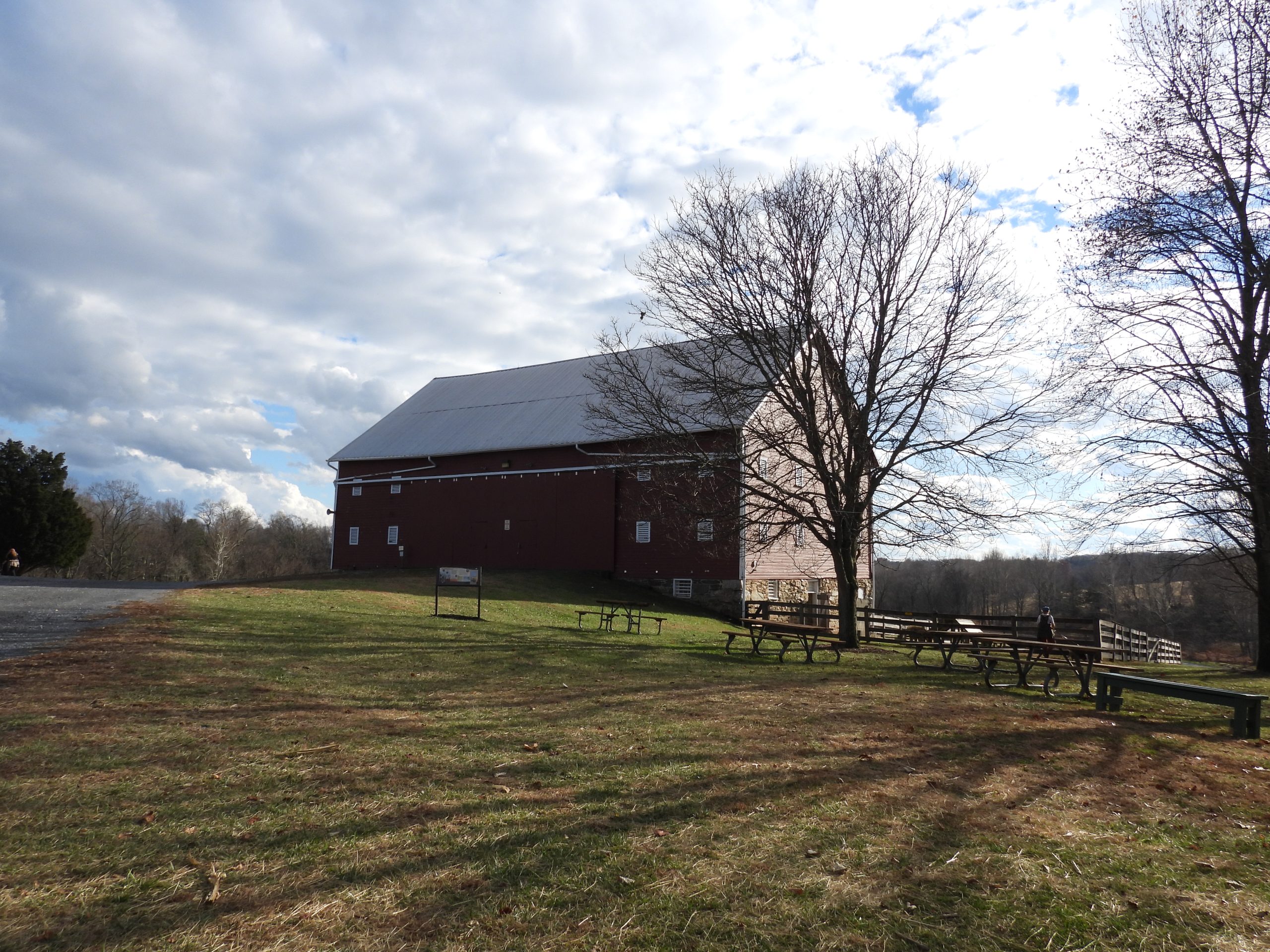
We’ll meet in front of the big red barn on the historic side of the Farm Park – just follow the gravel road up toward the barn and park in the grassy lot marked “Visitor Parking.” Be sure to dress for the weather, wear sturdy footwear, and bring water.

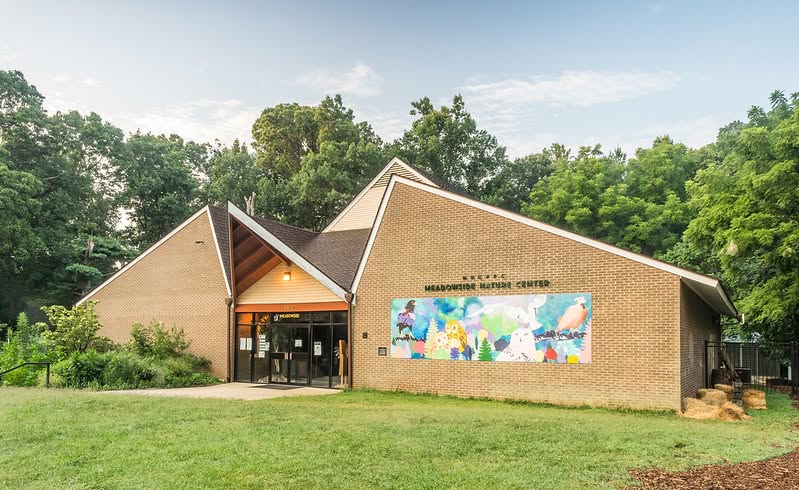
Meadowside Nature Center
5100 Meadowside Lane
Rockville, Maryland 20855
Ask a Naturalist: Thursday, October 1 | 11 am to 12 pm | All Ages | FREE | Meadowside Nature Center
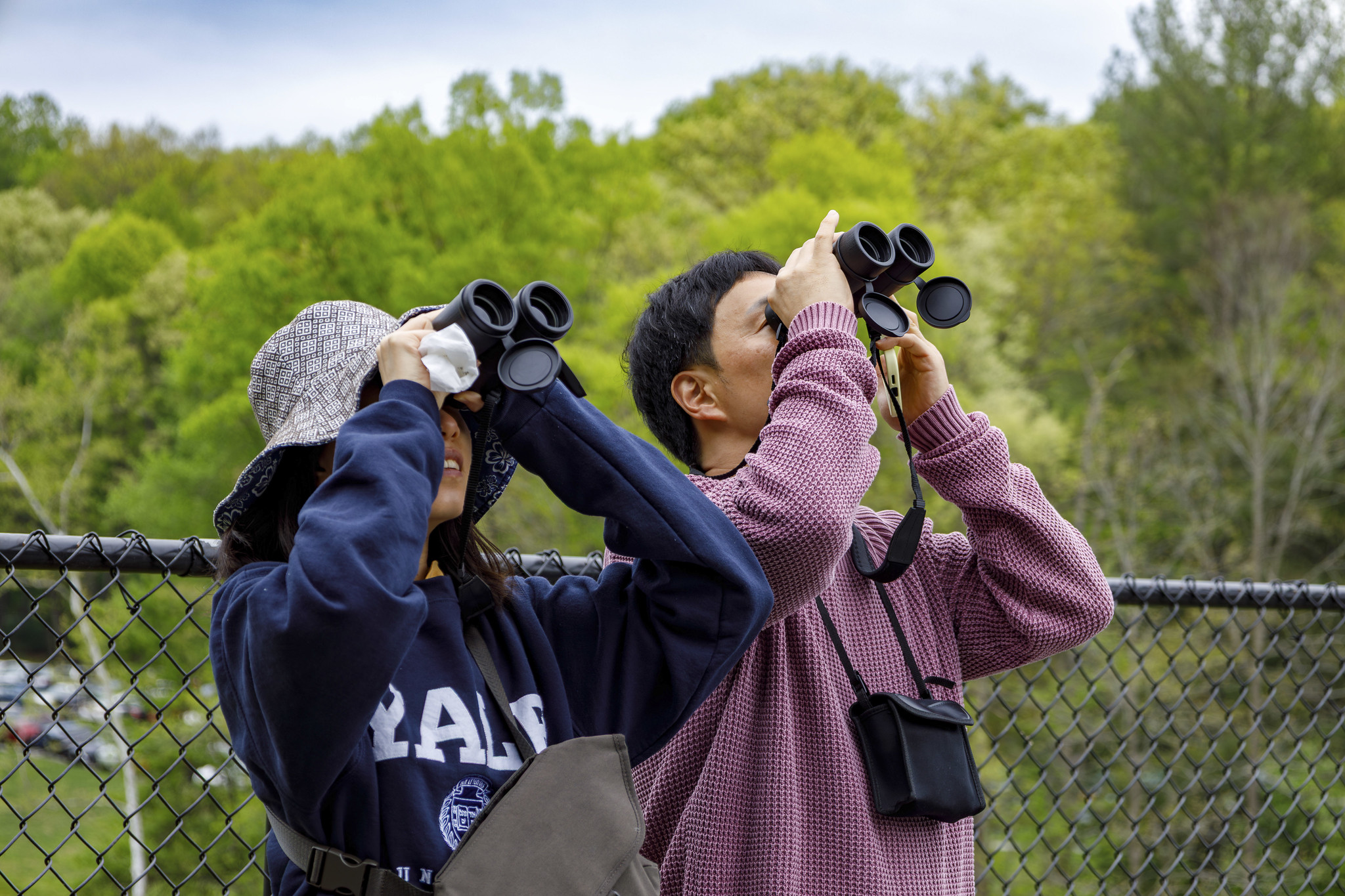
Walk Up Bird Walk: Saturday, October 3 | 10 to 10:30 am | Ages 8+ | FREE | Meadowside Nature Center
Birdability Week – Guided Bird Walk with ASL Interpretation: Wednesday, October 21 | 9 to 11 am | All Ages | FREE

Location:
Brookside Gardens
1800 Glenallan Avenue
Wheaton, MD 20902
Guided Mindfulness Walk – “Self-Care in Nature:
Sunday, October 4, 2026 | 10 to 12 pm | Ages 18+ | $28 | Brookside Gardens
Cultivars: Untangling the Complicated World of Cultivated Native Plants
Tuesday, October 6 from 7 to 8:30 p.m. | Fee: $15 or $12 for FOBG members | Location: Zoom lecture (recording available to registrants)
American Public Gardens Association – Regional Learning Series
Friday, October 16, 2026 | 8:00AM – 4:30PM | Fee: Member Price: $99 |
Non-Member Price: $199 | Student Member Price: $50
Outdoor Guided Walk for Families: Gardening for Beginners
Saturday, October 10: Mushrooms | Sunday, October 18: Gardening for Beginners
10:00AM – 11:00AM | Fee: $10.00 | All youth ages with adults
Getting Your Garden Ready for Winter
Thursday, October 22 from 7 to 8:30 p.m. | Fee: $15 or $12 for FOBG members | Location: Zoom lecture (recording available to registrants)
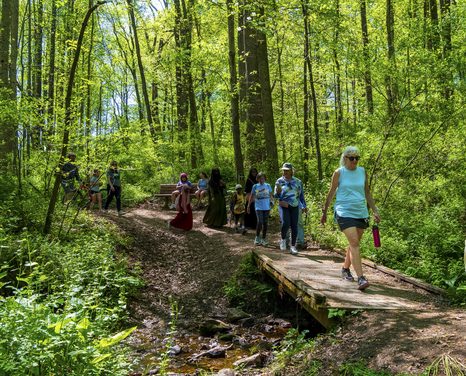
Birdability Week – Beginning Birding for Every Body!: Thursday, October 22 & Sunday, October 25 | Various Times | Ages 18+ | $7
Make & Take – Pumpkin Bird Feeders: Saturday, October 24 | 10:30 am to 12 pm | Ages 6+ | $10
Tuesday, October 27, 2026 | 1:00PM – 2:30PM | Fee: $12.00 | Age Range: Ages 18 and up
Chrysanthemum & Conservatory Tour
Friday, October 30, 2026 | 10:30AM – 11:45AM | Fee: $12.00 | Age Range: Ages 18 and up
Fall and Winter Garden Vegetables with Master Gardeners
Gaithersburg Library
18330 Montgomery Village Ave.
Gaithersburg, MD 20879
Saturday, October 17: 2:00pm – 3:00pm
Fall and Winter Garden Vegetables with Master Gardeners – at Gaithersburg Library
Whether you’ve been a native plant enthusiast for years or are just starting, come learn ways to improve the habitat value of your garden! A continuation of last month’s talk but new commers welcome!
Join Bonita Condon from the Master Gardeners of Montgomery County Cooperative Extension Service as she talks about fall and winter gardening topics such as what crops can be planted during this timeframe, harvesting hardy summer crops, composting essentials, and protecting enriching your soil during fall and winter.
About Bonita Condon:
Bonita is an avid vegetable gardener, loves perennials, and combats non-native invasive species in Montgomery County parks and grasslands. As a Maryland Master Gardener she volunteers at demonstration gardens, plant clinics, children’s’ gardening events, and she lectures on a variety of gardening topics, such as Sweet Potatoes and Making Gardens Accessible. Her special interests include working with individuals with mobility limitations, raised garden beds, and tools that accommodate special needs. After retiring from the Federal Government, Bonita now works at Montgomery County Child Welfare Services.
Questions about this program? Contact the Gaithersburg Library at 240-773-9490.
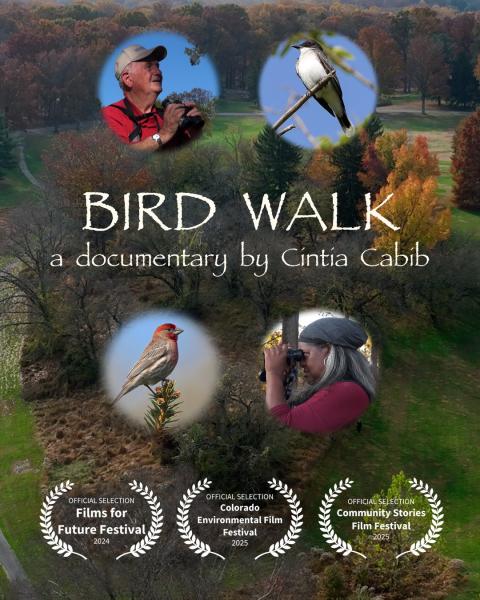
Documentary Screening: Bird Walk
Saturday, October 10: 2:00pm – 3:00pm
Gaithersburg Library
18330 Montgomery Village Ave.
Gaithersburg, MD 20879
Celebrate World Migratory Bird Day with this screening of “Bird Walk” a documentary short about the grassroots campaign that helped preserve a defunct golf course as a public park.
Celebrate World Migratory Bird Day!
Join us for a screening and discussion of the documentary “Bird Walk,” produced by local filmmaker Cintia Cabib. Discover how an abandoned golf course in Rockville, Maryland became an oasis for birds and birders. Learn about the grassroots campaign that helped preserve the 131-acre site as a public park and critical bird habitat.
Cintia Cabib will present and discuss the film.
Watch the trailer and learn more about the film at www.birdwalkfilm.com.
About the Filmmaker
Cintia Cabib is an independent producer, videographer and editor. Her documentaries have aired on public television stations nationwide and have been screened at numerous venues throughout the U.S. and abroad. Cintia’s films shine a spotlight on local people, places, and history. Her documentaries include “Kindred Spirits,” a portrait of two accomplished but unsung Black women artists; “Labyrinth Journeys,” an exploration of an ancient symbol and structure and its significance to the people who use it as a tool for meditation and rehabilitation; and “A Community of Gardeners,” a tour of seven Washington, D.C. community gardens and the diverse group of individuals who tend their plots.
Questions about this program? Contact the Gaithersburg Library at 240-773-9490.
Seneca Creek State Park Programs
Seneca Creek State Park
11950 Clopper Road
Gaithersburg, MD 20878
Here’s a link to Seneca Creek State Park’s October Programs. Featured events for October include Pontoon Tours, Monday Night Hikes, Try a New Trail Hike, Intro to Birding, Mindfulness Hike, Miles for Maryland Challenge Hike, Take Me Fishing, and more! These events are provided by The Friends of Seneca Creek State Park.
About Friends Of Seneca Creek State Park (FOSCSP)
The only State Park entirely in Montgomery County, featuring Hiking, Disc Golf, Boating, Fishing, Peony Display Garden, Recycled Tire Playground, and Winter Lights display from Nov. 27th through December 31st. Entrance is free from November through March.
The Friends of Seneca Creek State Park collect dues and donations that are used to support the visitor experience in the park. We are a 501(c)(3) designated charity, so all donations, including dues, are tax deductible as allowed by law.
Montgomery College

Lifelong Learning Home and Garden Classes – Fall 2026
See Schedule of Fall Classes below:
| Course # | CRN | Course Name | Start Date | End Date | Days | Times | Location |
| LLP379 | 24385 | Woody Ornamentals for the Mid-Atlantic Region | 10/1/26 | 10/8/26 | Thurs | 6:30 PM – 8:30 PM | Online |
| LLP118 | 24234 | Dazzling Floral Arrangements and Designs for Home and Office | 12/5/26 | 12/12/26 | Sat | 10:00 AM – 12:30 PM | Rockville |
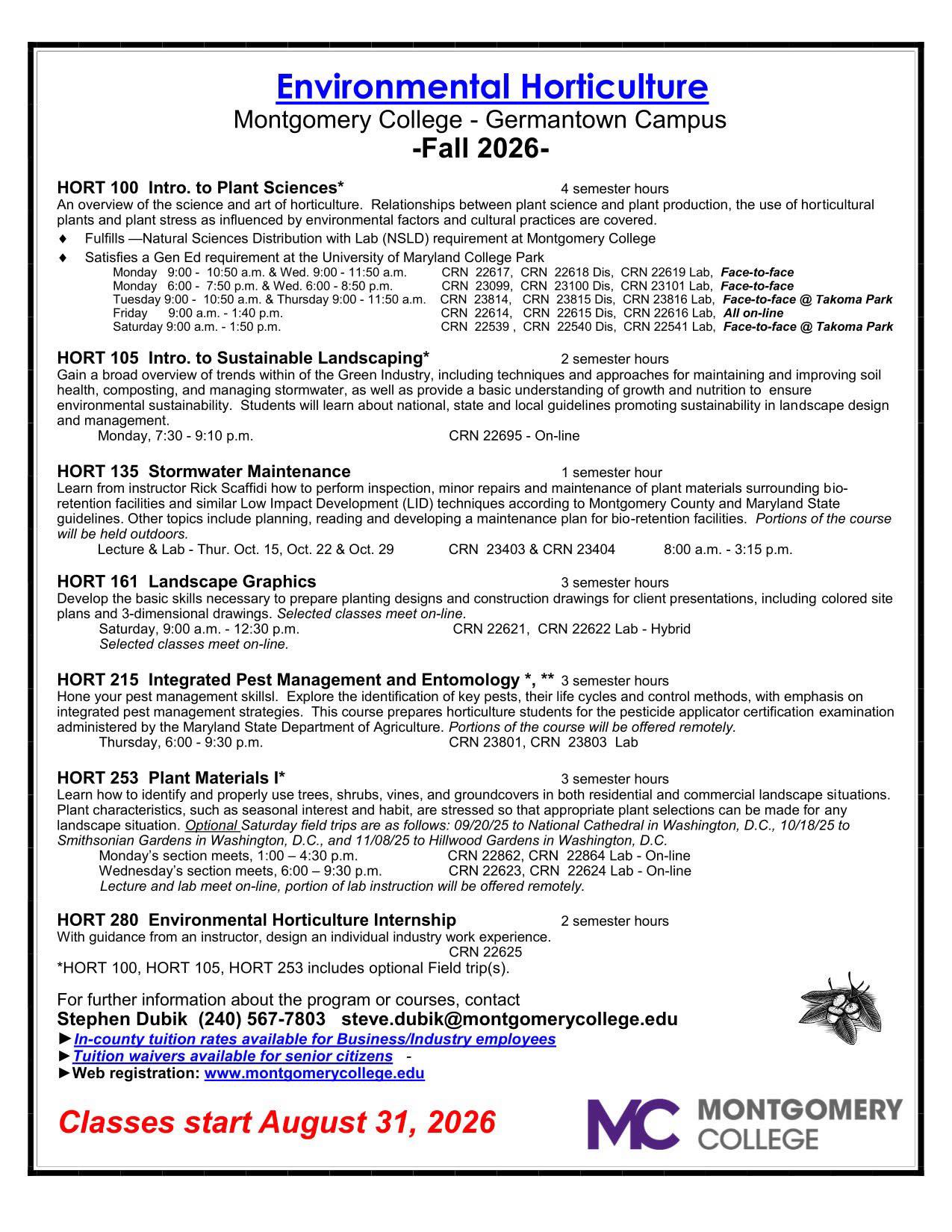
Fall 2026 Environmental Horticulture
The courses described below are being offered by the Environmental Horticulture program at Montgomery College for the Fall term. In-county tuition rates are available for business/industry employees. Tuition waivers are available for senior citizens. For more information on the program of courses, contact steve.dubik@montgomerycollege.edu.
Let’s Talk Gardens
Thursdays 12 to 1 p.m.
Smithsonian Gardens
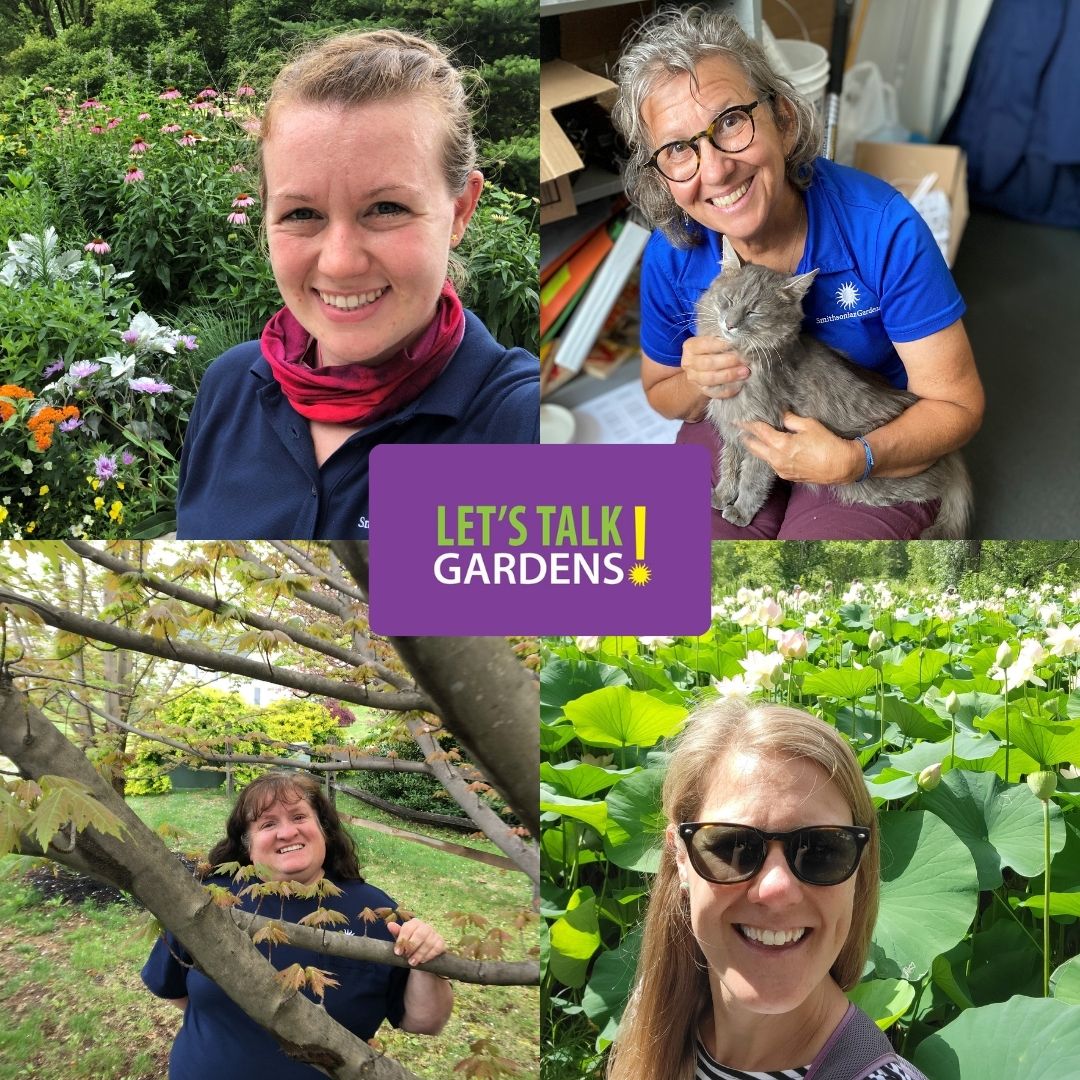
“Grow” your gardening know-how! Our free online gardening program, Let’s Talk Gardens, covers a wide range of topics presented by our own professional staff, as well as guest speakers.
And we encourage you to watch videos in our Let’s Talk Gardens Video Library.