Welcome!
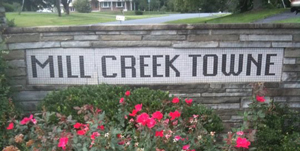
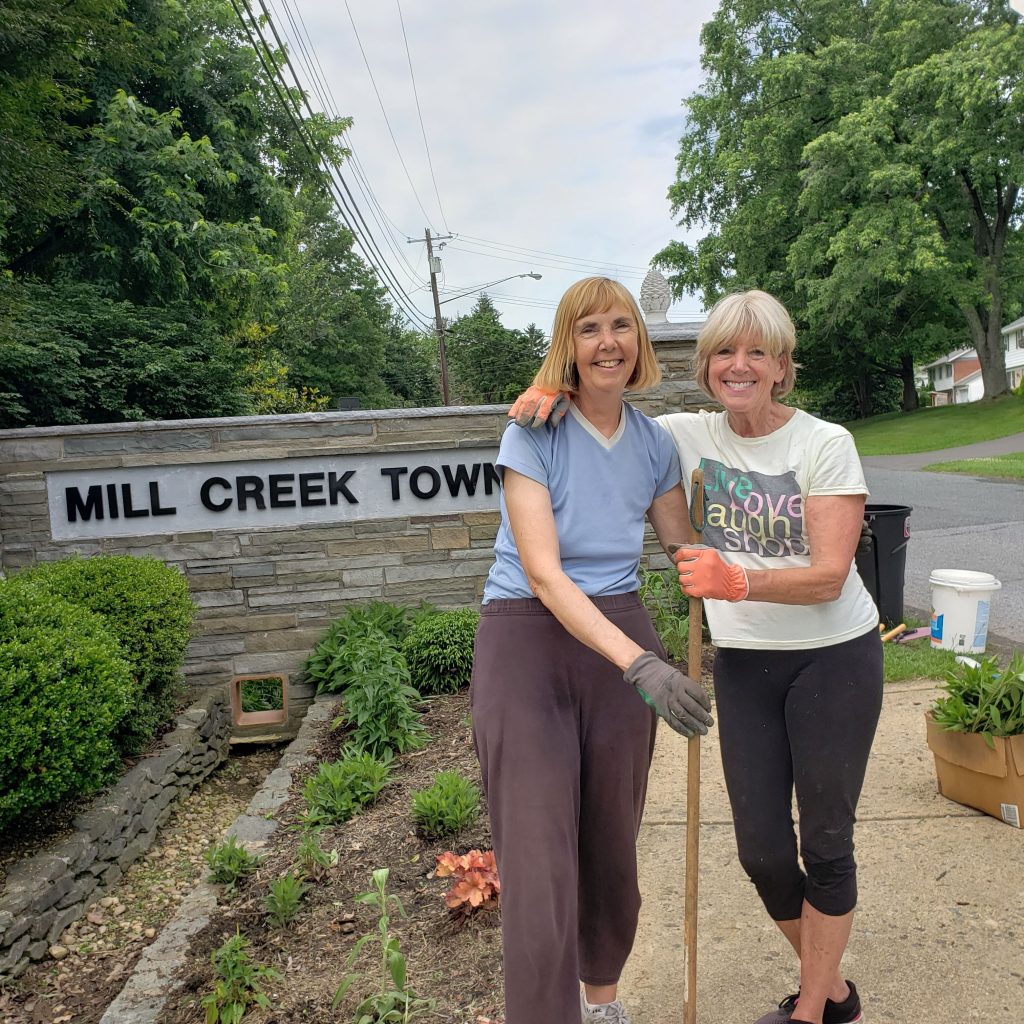
The Mill Creek Towne Garden Club in Derwood, Maryland was established in 1968 with the mission to stimulate and increase knowledge and interest in all facets of gardening among amateurs, establish an active community beautification program and to encourage civic beautification, and foster group activities for the benefit of the members and the community. The garden club also landscapes and maintains the Mill Creek Towne entrances and common areas.

Facebook Posts


Mill Creek Towne Garden Club
The club meets once a month, at 7:00 pm on the 4th Tuesday of each month (except for May, June, July, November, and December).

Happening tomorrow! Hope to see you there!🌱Get the Biggest Bang for Your Sweat with Smart Garden Practices
Monday, October 26
7:00 pm
Mill Creek Parish United Methodist Church
7101 Horizon Terrace
Derwood, MD 20855
Guest Speaker: Meipo Martin, Master Gardener
Join us for a special presentation on an “Get the Biggest Bang for Your Sweat with Smart Garden Practices”, by guest speaker, Meipo Martin, Master Gardener on Monday, October 26, 2026 at 7pm.
– FREE
– Light Refreshments provided
Ever wonder why your garden is not looking its best despite all the effort and resources you have poured in? Maybe it is time to rethink the way you garden. Come learn better ways to improve your soil, suppress weed, help your plants grow stronger and healthier with less water, less garden products and, most importantly, less work!
Meipo Martin bio:
Meipo Martin was born in Hong Kong, where she started growing houseplants and herbs on the apartment windowsill. In 1998, she moved to the United States. In her new garden, her love for plants came into full bloom and she became a Montgomery County Master Gardener in 2015. Meipo believes gardening should be accessible to all, and it does not have to be expensive or hard. To share her knowledge, Meipo gives a variety of presentations on gardening methods for the master gardener organization. When she is not gardening, Meipo is a wife, an Aikido instructor, a woodcarver, a blogger and a sewist.
RSVP: info@mctgardenclub.org
Please do NOT attend this event if you are or have been experiencing symptoms of illness.
THIS EVENT IS FREE, BUT DONATIONS ARE ALWAYS APPRECIATED!
Donations pay for landscaping, repair and maintenance of the Mill Creek Towne Entrances, and our garden-related programs at our community meetings.
NOTE: If Montgomery County Schools are closed due to inclement weather, the Garden Club meeting will be cancelled.
www.mctgardenclub.org/event/get-the-biggest-bang-for-your-sweat-with-smart-garden-practices/

0 CommentsComment on Facebook
Chrysanthemum & Conservatory Tour
Friday, October 30, 2026 | 10:30AM – 11:45AM | Fee: $12.00 | Age Range: Ages 18 and up
Brookside Gardens
1800 Glenallan Avenue
Wheaton, MD 20902
Carlos Rodriguez, Horticulturist, Brookside Gardens
Delight in an autumn-inspired display of specialty chrysanthemums —a vibrant finale to the garden season! Discover fascinating facts about these amazing flowers, cultivated since the 15th century with over 20,000 varieties worldwide. Learn how our horticulturists create massive blooms, colorful combinations and impressive forms with this incredible plant!
NOTE: Please note that the address and parking logistics will be sent in a confirmation email two days prior to the program date.
Register:
montgomeryparks.org/events/chrysanthemum-conservatory-tour-2/
0 CommentsComment on Facebook
Glory of Fall Garden Tour
Tuesday, October 27 from 1 to 2:30 p.m. OR
Tuesday, November 3 from 10:30 a.m. to noon
Fee: $12 or $10 for FOBG members
Guide: Josh Demers, Horticulturist, Brookside Gardens
Discover a whole new garden brought on by the changing autumn season. This walking tour highlights the spectacular fall colors in the woody and herbaceous plant collections with a closer look at our staff’s favorite fall blooming perennials like asters, coneflowers, sedums, and grasses.
Register:
montgomeryparks.org/events/glory-of-fall-garden-tour/
0 CommentsComment on Facebook