Hello Friends, Neighbors, Fellow Gardeners,
Happy Spring! Here are some garden tips, educational opportunities, and videos for May. Some upcoming events/resources include HGIC Backyard Gardening Zoom Sessions, Natives at Noon: Lunch & Learn Webinar Series, Montgomery Parks – Events, Croydon Creek Nature Center’s Native Plant Sale, Locust Grove Nature Center: Spring Native Plant Sale at Pope Farm Nursery, Gaithersburg, MD; Seneca Creek State Park May Programs; Montgomery College: Lifelong Learning Home and Garden Classes – Summer 2026, and more! A lot of gardening events are announced on Facebook as well as on our website. These events will be hosted as online or in-person events.
Planning Tips
- Start or update your garden journals.
- Take an inventory of pots and containers; clean or replenish potted soil.
- Select and order fruit plants. Decide on new tree/shrub locations.
- Plan landscape design projects.
- Design new beds and gardens.
- Clean, sharpen, and store your garden tools.
- Repair your shed and repair/paint your fences.
- Check out gardening books from your local library to read.
- Pick up new gardening books and magazines for inspiration.
- Volunteer at a local public or historic garden.
- Plan for 2026 with these Free resources: Landscaping with Native Plants by the Maryland Native Plant Society, Plant Invaders of Mid-Atlantic Natural Areas by the National Park Service, Master Gardeners of Northern Virginia Reading Room. Visit our Online Gardening Resources page for more helpful online resources.
- Buy a good gardening book or magazine subscription for a gift for your favorite gardener.
- Have a question about gardening? Check the University of Maryland Extension’s New Maryland Grows blog for garden tips.
Thank You for Your Support for Our Plant & Yard Sale!
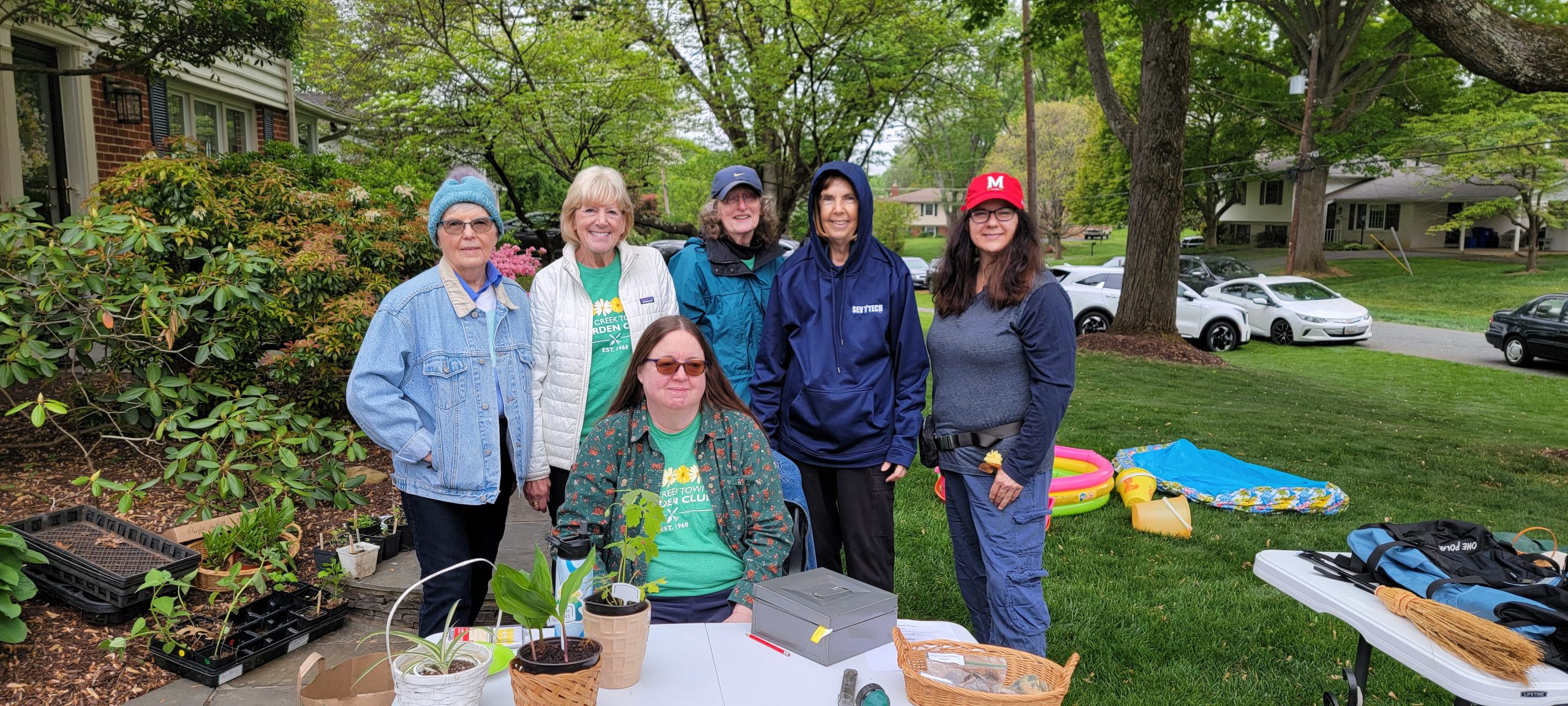
On Saturday, April 25th, Mill Creek Towne Garden Club hosted a Plant and Yard Sale. We want to THANK all our our neighbors who visited us at our yard sale to support us, when there were so many other activities happening on Saturday! Your contributions help support the Mill Creek Towne Garden Club help defray the costs for landscaping and maintenance of Mill Creek Towne’s main entrances and garden-related educational programs for the Derwood community! Thank you for all your help and contributions!
If you missed us, and want to make a donation, please visit our website at:
About the Mill Creek Towne Garden Club
Established in 1968, the objective of the Mill Creek Towne Garden Club is to stimulate and increase knowledge and interest in all facets of gardening among amateurs, establish an active community beautification program and encourage civic beautification, and foster group activities for the benefit of the members and the community. The garden club also landscapes and maintains the Mill Creek Towne entrances and common areas.
Mill Creek Stream Extreme Cleanup 2026
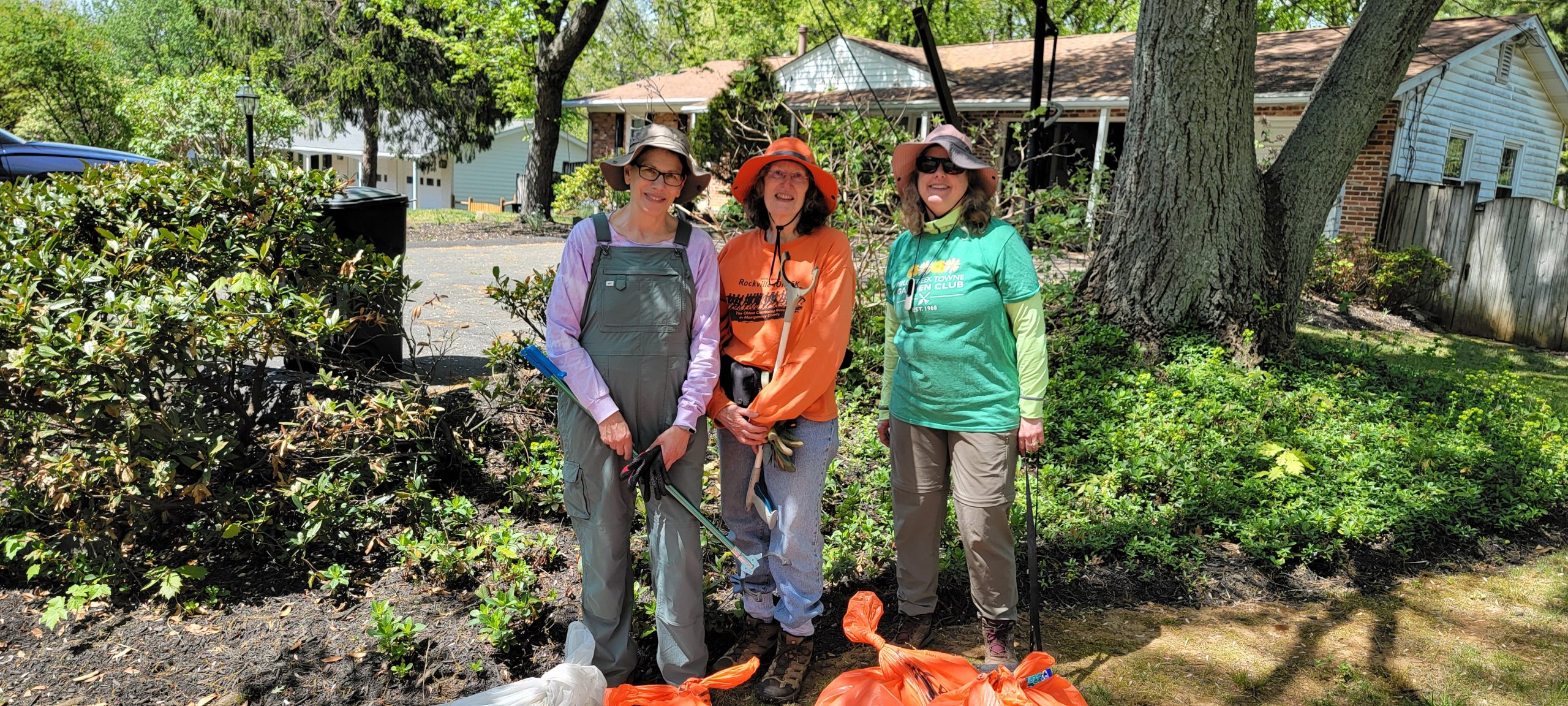
Thanks to everyone that made our Mill Creek Drive Extreme Cleanup a success! On Saturday, April 18th for Earth Month, Mill Creek Towne Garden Club partnered with Rock Creek Conservancy and Montgomery Parks to help clean up Mill Creek Stream in our 2026 Extreme Cleanup! All in all, fourteen bags were filled, and eleven people participated. Our volunteers enjoyed the spring weather and the flora and fauna near the creek. They saw a box turtle, Virginia Spring Beauties, and Intermediate Wood Ferns, a reminder of why we want to keep our waters and parks clean! Thanks to our neighbors, Friends of Rock Creek Conservancy, and garden club friends who volunteered to make this project a success! Some people travelled here from as far as DC! After cleaning up, several garden club members weeded around the blooming pink dogwood. Here are photos from our Extreme Cleanup. Hope you can join us next year to continue making this a successful venture to help keep our water clean!
Join Mill Creek Towne Garden Club!
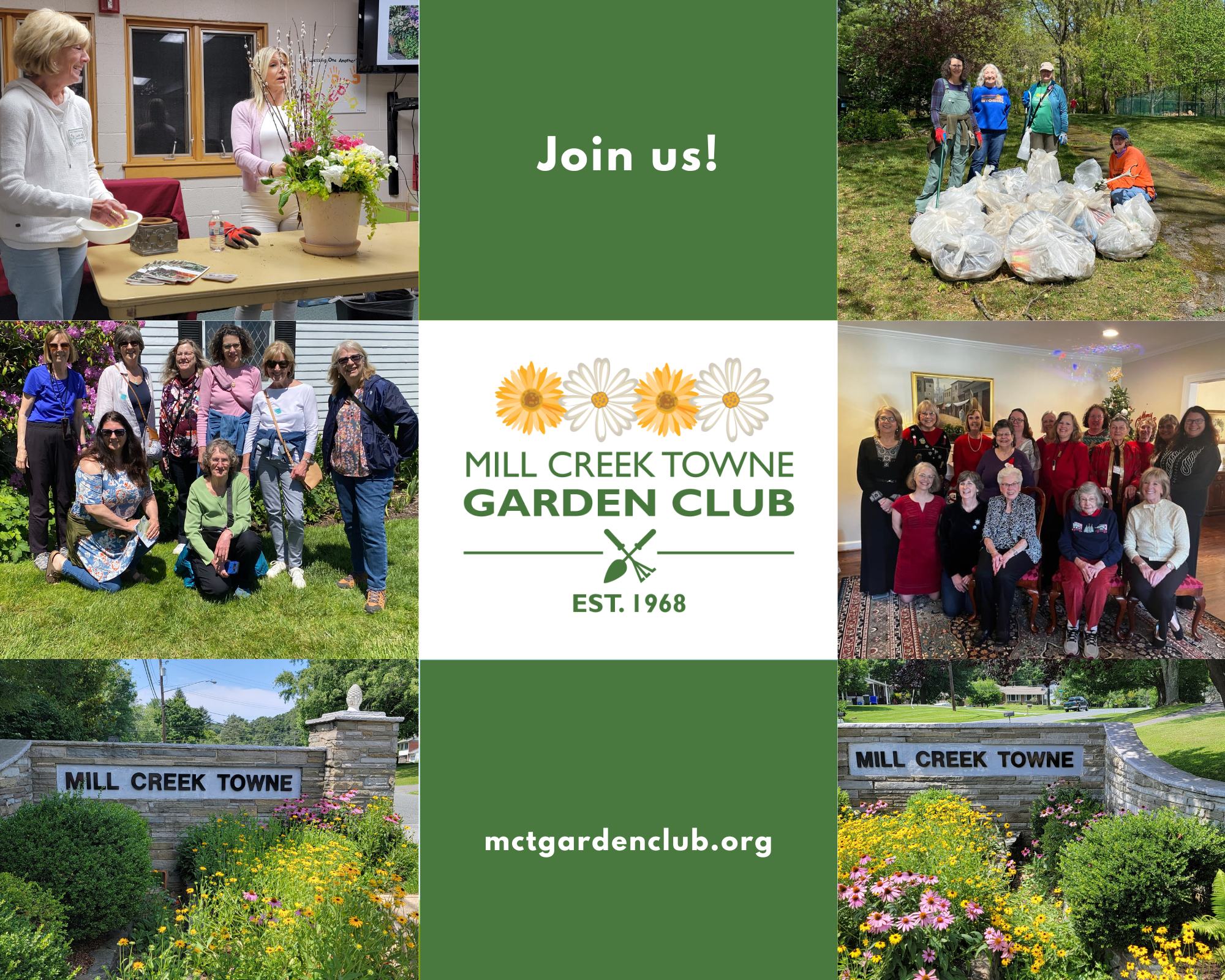
- Are you interested in gardening? Perhaps you’re a beginner, looking to learn more, or an experienced gardener interested in sharing your experiences and learning from others?
- Are you interested in making your home and community a more beautiful place to live?
- Are you interested in getting more involved in your community and getting to know your neighbors better?
Visit Our MCT Garden Club Website for Gardening Resources

- Local Gardening Resources: Looking for a Master Gardener as a guest speaker, need gardening advice, or want to learn about resources in or near Mill Creek Towne? Visit our Resources page for details.
- MCTGC Blog: Check our monthly blog for garden tips and local/online garden-related events.
- Gardening Books: Looking for a gift for your favorite gardener? Visit our Gardening Books Resources page for holiday gift ideas.
- Local Gardens: Visit our Local Gardens page to learn about local gardens in our area.
- Montgomery County Farmers’ Markets: Support our local farmers. Check this page to learn about local farmers markets in our area or join a CSA and get fresh local produce year-round!
- Online Gardening Resources: Looking for gardening apps or online resources to help with your gardening? Check out our Online Gardening Resources page for some apps for your smartphone and online gardening resources focused on the DMV area.
- Recipes: Looking for a recipe for your home-grown veggies and fruit? Check our Recipes page for ideas.

Maryland Grows Blog
In weekly posts on MD HGIC’s blog, learn about pollinator conservation, growing native plants and food, and how to solve plant pest and disease problems.
Featured Article
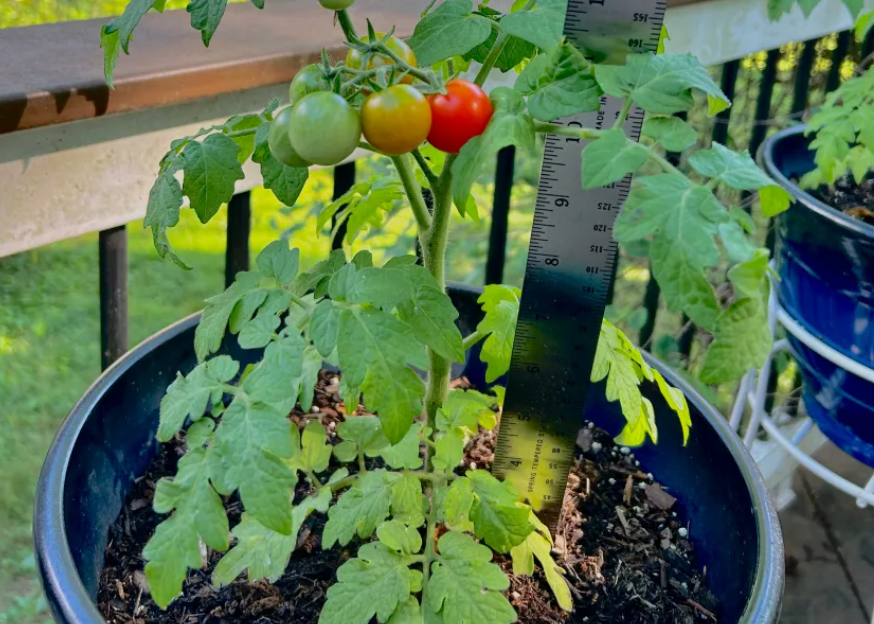
It’s too Darn Hot: Garden Schemes for Sweltering Days
Principal Agent Associate Annette Cormany shares garden tips for excessive heat.
Other Timely Topics
MD HGIC Video Tips
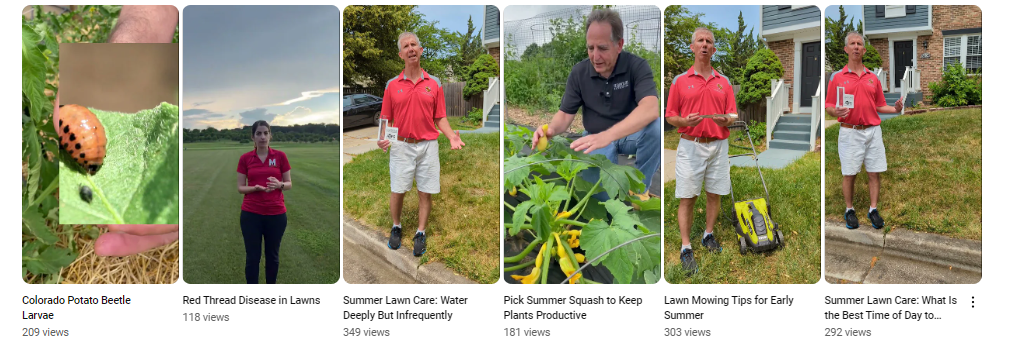
Our Extension experts are sharing one-minute video tips to help you in the garden this summer. We’re talking about pest management in the vegetable garden, tree and lawn diseases, native plants, mowing lawns, and more!
For more information, please visit:
 |
|
What can Master Gardeners do for you?
- Help you select and care for annual and perennial plants, shrubs and trees.
- Determine if you need to test your soil.
- Provide you with information on lawn care.
- Identify weeds, beneficial and noxious insects, and plant diseases and remedies.
- Teach you how to use pesticides, mulch and compost.
- Guide you in pruning trees and shrubs.
- Provide you with options for managing wildlife.
- Provide you with gardening resources.
- Help you submit a plant sample for diagnosis
Plant Clinics are held at several sites in the county on a weekly basis and at special events such as garden festivals and the county fair. Regularly scheduled Plant Clinics are located at public libraries and farmers’ markets throughout the county as well as at the Audubon Naturalist Society in Chevy Chase. There are also clinics three days per week at Brookside Gardens. The busiest season is April through September, but some clinics are open year-round. Bring your plant samples and questions to one of these locations in Montgomery County, MD (see link below to find a location near you):
https://extension.umd.edu/mg/locations/plant-clinics
UMD Home and Garden Information Center: Ask a Master Gardener

Do you have a gardening question? Our Certified Professional Horticulturists, faculty, and Master Gardener Volunteers are ready to answer – year-round!
See below to ask a master gardener a question on the UMD Extension website:
Buy Fresh Produce and Support Farms at County Farmers Markets
The 9th season of the Derwood Farmers Market launches Saturday, May 2nd, 9am-1pm! Come enjoy fresh produce, live music, friends & food trucks.
16501 Redland Rd, Rockville, MD 20855
SATURDAYS, 9AM – 1PM
May 2 to October 10, 2026
Visit the Derwood Farmers Market on Saturdays and enjoy the amazing flavors our food and beverage vendors are bringing to the table! Whether you’re planning your market brunch, stocking up on fresh-baked treats, or cooling off with a smoothie, there’s something delicious waiting for you. Our market participates in nutrition assistance programs including eWIC & matching dollars for SNAP. The Derwood Market also collects food scraps for composting through a partnership with the Department of Environmental Protection.
Ready to plan your first taste adventure? See the full list of vendors here:
www.milkladymarkets.org/derwood-market
We can’t wait to see you! Let’s celebrate fresh flavors, good company, and our amazing community together.
Maryland’s Best Native Plant Program
The Maryland Department of Agriculture (MDA) in partnership with University of Maryland Extension, the Department of Natural Resources, and the Maryland Native Plant Society is proud to introduce the MDA’s Maryland’s Best Native Plant Program.
This program aims to bring education, awareness, and recognition to consumers and producers about the importance of native plants by:
- creating a Commercial Maryland Native Plant List to help nurseries and consumers choose the most attractive and best plants for the environment
- recognizing retailers, wholesalers, and growers who are selling native plants via a tiered (bronze, silver, gold), voluntary certification program, and helping consumers know where to buy native plants
- providing marketing materials- including a MD Native Plant logo- to help consumers identify what’s native to Maryland
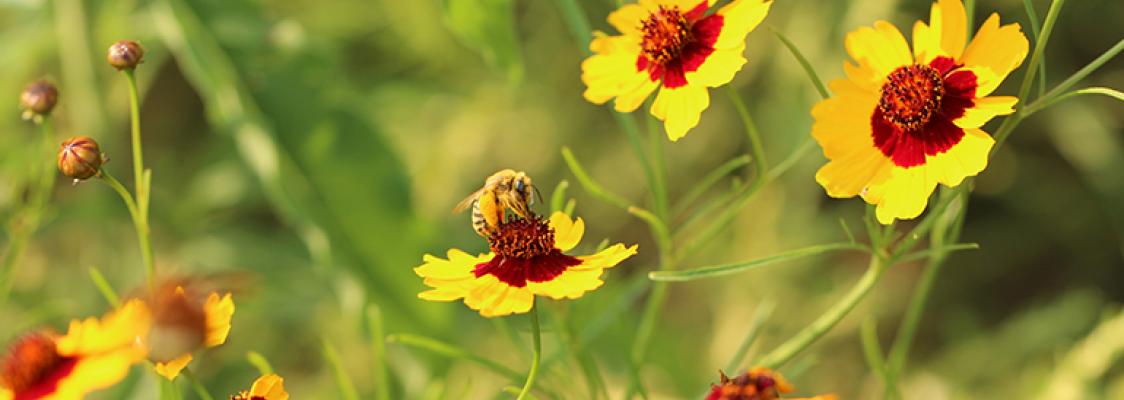
Check out the revised list of Mid-Atlantic native plants for pollinators and beneficial insects, from the Xerces Society.
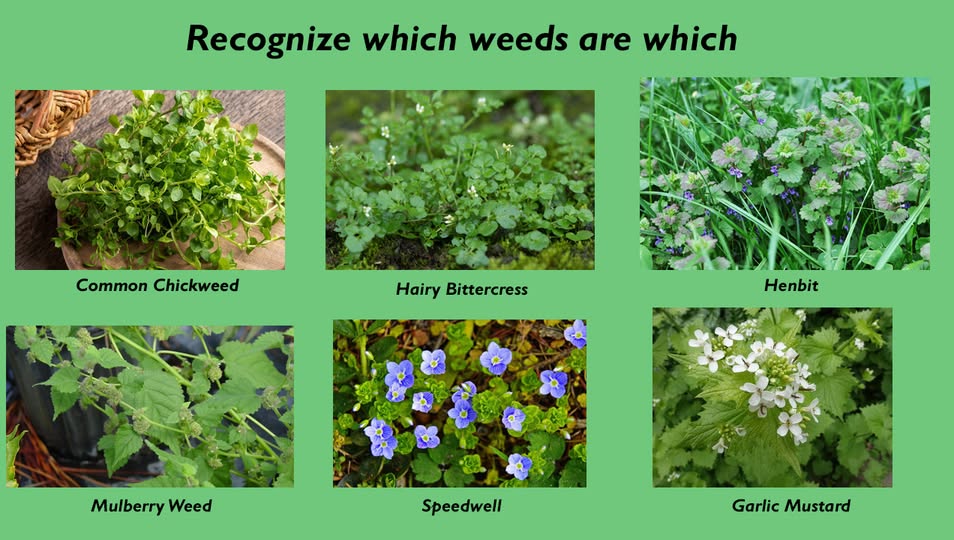
Weed control is best managed mechanically when it is young. Remove it by hand, hoe or tillage in early fall or early spring before it sets seed.
For more information on Spring weeds – https://extension.umd.edu/resource/spring-weeds/
Flowers and Groundcovers
- Hardy spring bulbs begin to emerge (crocus, snowdrops, daffodils, tulips).
- After spring bulbs bloom, let leaves turn yellow and die before trimming.
- Transplant spring flowering bulbs after flowering.
- Begin hardening off hardier transplants. Sow seeds outdoors of hardier annuals.
- Do not set out seedlings or tender annuals until after Mother’s Day (traditional last frost-free date for our entire area).
- Deadhead pansies.
- Start some more seeds – especially try flowering annuals like impatiens, marigolds, nasturtium, and petunias.
- Transplant seedlings into individual 3″ – 4″ pots when crowded.
- Ensure new seedlings do not dry out by installing a drip-irrigation system.
- Pinch out growing tips of leggy seedlings.
- Fertilize summer flowering bulbs.
- Cut back and clear out the last of your perennial beds.
- Divide perennials.
- Edge garden beds.
- Mulch beds with a light hand.
- Cut your Daffodils for indoor bouquets, but do not combine them with other flowers in one vase. They give off a toxic substance that may kill your other blooms off prematurely.
- Buy or check on your stored summer bulbs (such as dahlias and caladiums). Pot them and start to water, if you want to give them an early start on the season.
- Hand-pull visible weeds to avoid disturbing newly formed roots.
- Plant and prune roses.
- Look for evidence of pest or fungal disease throughout your garden.
- Inspect for powdery mildew. If seen, prune back perennials to create needed circulation. Discard properly (i.e., not in your compost bin).
- Rake up weeds and their seedlings, especially look for fast-growing vines such as honeysuckle, autumn clematis, bittersweet, wild grape, Virginia creeper, and poison ivy.
- Pests to watch for: deer, voles
- Diseases to watch for: Damping off of seedlings.
- See UMD’s HGIC Garden Tips for more details.
- For a list of native plant resources, visit: https://extension.umd.edu/hgic/topics/native-plant-resources

5 Million Trees Initiative
Maryland’s goal is to plant and maintain 5 million native trees by 2031. There are various ways you can get involved – plant trees and register them — or volunteer! A number of tree-planting assistance programs are available at the municipal, county, and state levels.
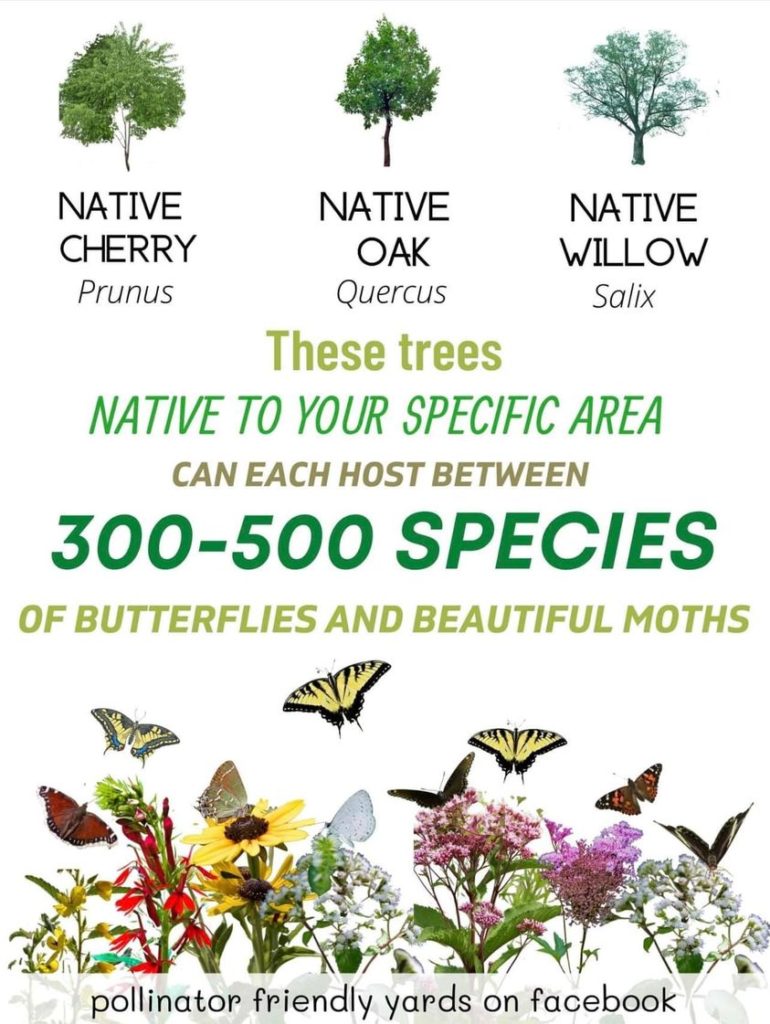
THIS is the SUPERPOWER of YOUR KEYSTONE NATIVE PLANTS.
- No exotic plant could ever achieve this.
- Want butterflies? Feed the caterpillars with keystone plants!
- Exotic plants will never support as many different species of caterpillars as the Keystone Natives can.
- Find your keystone native plants here by zip code.
If your zip code doesn’t give you enough information try zip codes of the nearest larger town or city. LINK: https://www.nwf.org/NativePlantFinder/
Trees and Shrubs
- Plant a tree for Arbor Day. Arbor Day is the first Wednesday in April in Maryland.
- Get a soil test.
- Plant or transplant trees or shrubs, including berries, roses, and evergreens; this is a good time to plant evergreens.
- Prune winter damage on evergreens when new growth begins.
- Prune flowering shrubs such as forsythia, lilacs, azaleas when they finish blooming.
- Remove Ivy, Pachysandra, and other vine-like groundcover from underneath shrubs.
- Prune maples, dogwoods, birch, elm, walnut, and yellowwood to prevent “bleeding”.
- Clean your gutters.
- Do not fertilize newly planted or transplanted plants the first year.
- Check often and water newly planted trees if they don’t pass the finger test (stick your finger deep into soil – dry? Water!)
- Prune foundation shrubs and trees to be no closer than 1 foot from the house.
- Fertilize trees, shrubs, and evergreens.
- Prune broken, dead, diseased, or damaged branches.
- Keep an eye out for bark damage from rabbits or deer.
- Check for vole problems and set out traps.
- Spray broadleaf evergreens with anti-desiccant to prevent dehydration.
- Use fallen leaves for mulch or compost.
- Weed – especially look for fast-growing vines such as honeysuckle, autumn clematis, bittersweet, wild grape, Virginia creeper, and poison ivy. Remove Ivy, Pachysandra, and other vine-like groundcover from under shrubs.
- Mulch or compost healthy leaves.
- Continue to remove fallen, diseased leaves.
- Put diseased leaves, pesticide-laden grass clippings and weed seeds in your trash — not your compost pile.
- Turn your compost pile weekly and don’t let it dry out. Work compost into your planting beds.
- Apply scale and dormant oil treatment before dormancy breaks to decrease pest infestations.
- Remove dead and dying trees.
- Pests to watch for: deer, scale, and voles.
- Diseases to watch for: Phomopsis and Kabatina of Juniper, Diplodia tip blight of 2 & 3 needled pines.
- For more tips, see UMD’s HGIC Garden Tips for more details.
Herbs, Veggies, and Fruit
- Keep all transplants watered deeply for 2 – 3 weeks.
- Harden off cool season transplants. Plant asparagus.
- Plant cool season transplants on the second week in April.
- Gently clean up the garden, add 1 inch of compost.
- Build a raised bed for vegetables. Add lots of manure and compost.
- Plant cool-season crops (potatoes, lettuce, peas, root crops, and cole crops, including spinach, kale).
- Make compost tea and use on seedlings.
- Turn over cover crop when soil has warmed enough and is not too wet.
- Fertilize established asparagus, tree, bramble fruits, and strawberries.
- Start herbs from seed or cuttings.
- Divide perennials and herbs.
- Sow greens indoors or outdoors in a cold frame. Remove cover to allow for pollinating once they set flowers.
- Put up trellises and teepees for peas and beans to climb on.
- Clean and organize the garden shed.
- Till and add organic matter to annual/vegetable beds.
- Start seeds for: tomatoes, eggplants, and pepper inside.
- Prune stone fruit trees like cherries, plums, and peaches.
- Clean out your cold frame or build a new one.
- Collect large plastic soda bottles to use as cloches. (A cloche is a clear, bell-shaped cover used to protect tender plants from frost.)
- Direct-sow early, cool-season crops as soon as ground soil can be worked. Good choices are beans, corn, peas, lettuces, mustards, onion sets, kale, and cabbages.
- Sow seeds of: carrots, endive, sunflowers, lettuce.
- Thin lettuce seedlings and plant more seeds in new rows. (You can eat the seedling greens you pull).
- Start carrots, turnips, and parsnips in well-draining beds or in deep containers.
- Pick peas often to encourage the plants to produce more.
- Spread ashes from wood fires on your vegetable beds.
- Store your fertilizer and seeds in a rodent-proof container.
- Apply dormant oil spray to fruit trees.
- Pests to watch for: rabbits, deer, woodchucks, and birds.
- Diseases to watch for: Damping off of seedlings, Fire blight, Fungal, bacterial, viral diseases.
- Here are some more UMD’s HGIC Garden Tips.
Lawns
- Cut perennials and over-wintering ornamental grasses to 2-inches above ground.
- Control wild onions in warm season turf with broadleaf weed control.
- To control crabgrass, apply pre-emergent herbicide to lawn (when forsythia blooms drop).
- Fertilize when green is showing.
- Mow high to reduce weeds and stress: Fescue and Bluegrass: 3″ – 3 1/2″
- Do soil preparation – add lime, compost, etc. as needed.
- Some alternatives to de-icing salts include sand, beet juice sugars, light gravel (grit), or non-clumping kitty litter. Using de-icing salts around driveways and sidewalks can harm your garden plants and turf.
- Clean yard of leaves and other debris.
- Mulch bare areas.
- Check and tune-up power equipment (mowers and trimmers).
- Apply grub control to your lawn.
- Sharpen your lawnmower blade.
- Check and tune-up power equipment (mowers and trimmers).
- Turn your compost pile.
- Diseases to watch for: brown patch, and red thread
- Pests to watch for: Grubs
- See UMD’s HGIC Garden Tips for more details.
Indoors/Houseplants

- Repot root-bound houseplants and start fertilizing them when new growth begins.
- Buy an indoor plant to liven up your office space. Try an orchid or African violet.
- Repot larger plants that are going outside for the summer.
- Mist indoor plants and set up pebble trays to increase humidity.
- Deadhead flowering plants.
- Scan houseplants for insect activity.
- Maintain moisture in pots, but do not overwater!
- Give your houseplants a quarter turn every few weeks.
- Keep all houseplants out of drafts and away from heat vents.
- Keep succulents and cacti on the dry side.
- Check on your container plants daily and keep them well-watered.
- Remove old leaves, damaged stems.
- Dust your houseplants with a slightly damp cloth to prevent dust and film build-up.
- Pests to watch for: aphids, spider mites, mealybug, scale, stinkbugs, and whitefly.
- See UMD’s HGIC Garden Tips for more information.
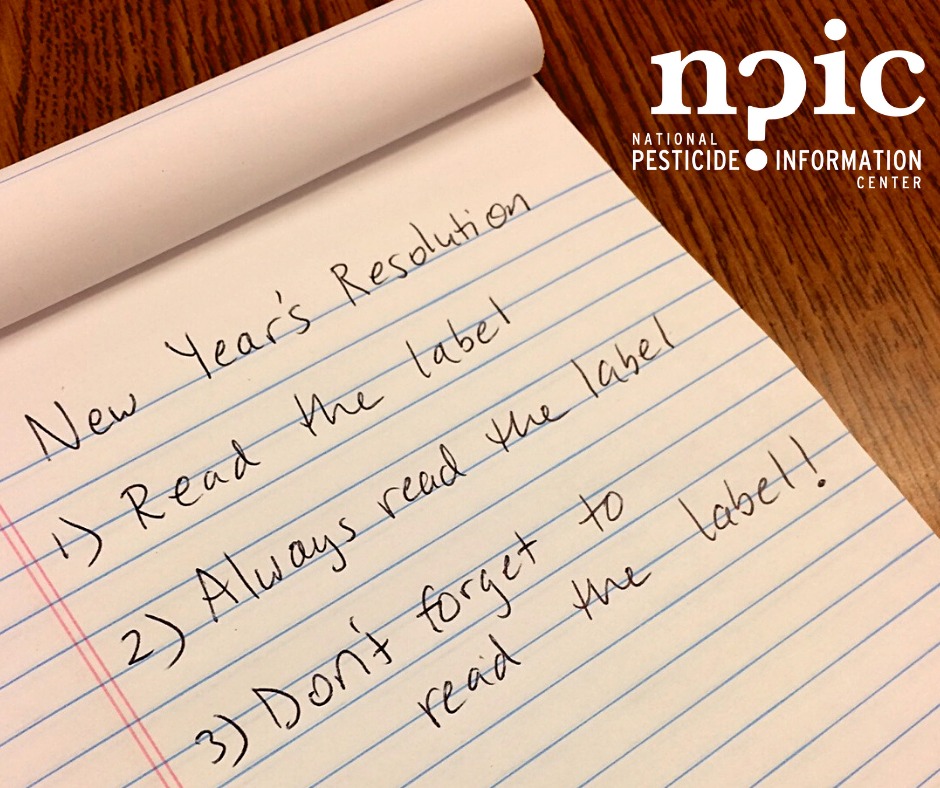
Read and follow label instructions on all pesticides and herbicides.
Start the year off by minimizing your #risk to #pesticides and always #ReadTheLabel! Learn more here: http://npic.orst.edu/health/readlabel.html
Questions about your label? Call us! 800-858-7378 M-F 8am-12pm PST
Indoor/Outdoor Insect and Wildlife Tips
- Provide nesting materials for birds (try dryer lint) as well as bird houses for the start of their family season.
- Keep cutworms off newly planted edible seedlings by surrounding the seedlings with a collar cut from a plastic bottle or cardboard tube.
- Ticks are very active now.
- Caulk and seal your outside walls to prevent insect entry into your home.
- Check indoors for termites and ants.
- Put up birdhouses.
- Put suet out for birds.
- Keep bird feeders clean and filled and provide a source of water.
- Wash out birdbaths daily with diluted bleach solution.
- Switch your deer deterrent spray. Re-apply after heavy rains.
- Set out traps for mice, moles, and voles.
- Watch for: eggs, larvae, overwintering stage of many species, carpenter ants, flies, stink bugs, termites, rabbits, raccoons, groundhogs, deer, mice, moles, snakes, squirrels, and voles.
- For more information, see UMD’s HGIC Garden Tips.
Source: University of Maryland’s Home and Garden Information Center (HGIC) and the Washington Gardener.
See more tips from HGIC:

HGIC Backyard Gardening Zoom Sessions
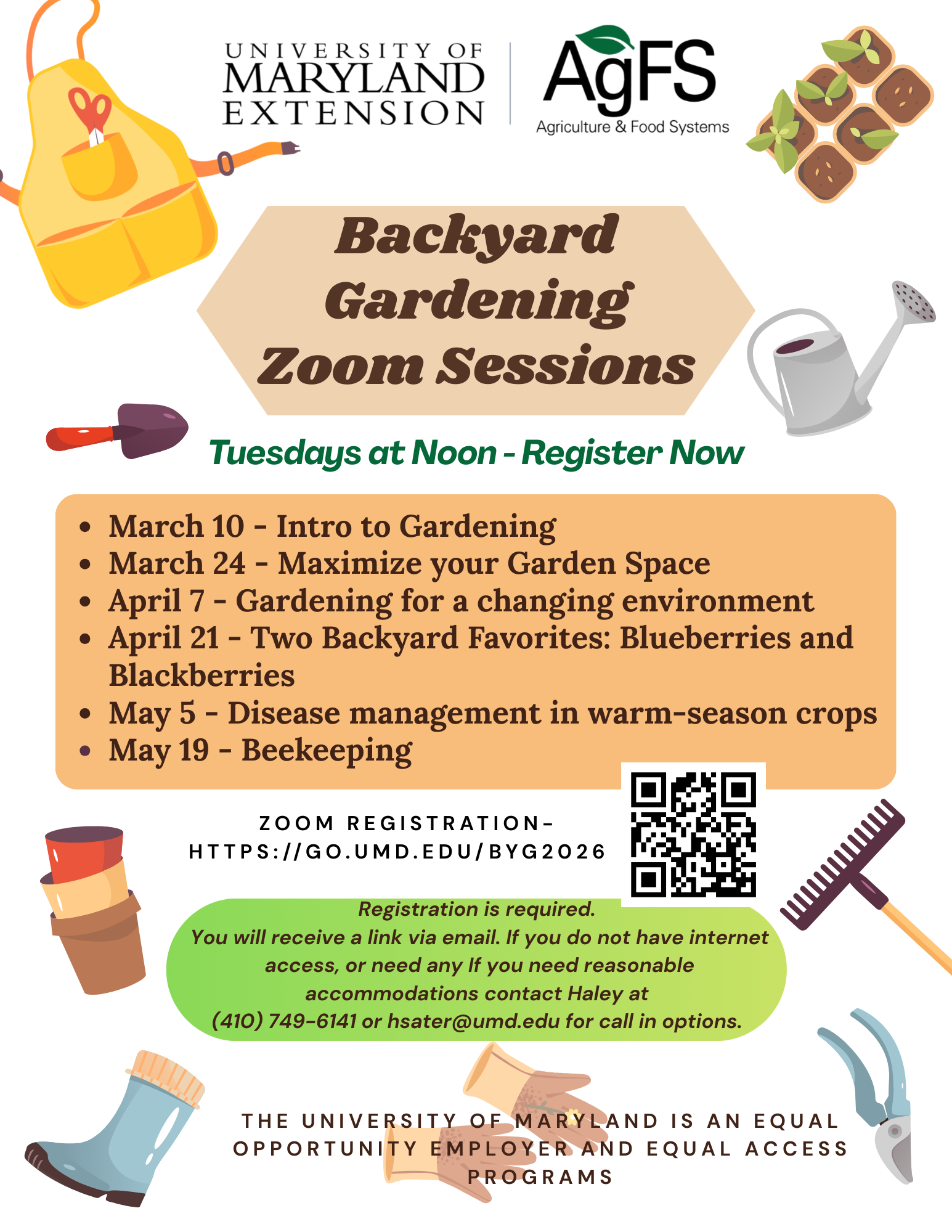
Got some brain  FOG about the upcoming gardening season? (Is all of Maryland in the clouds today?) Tune into this year’s Backyard Gardening Zoom Sessions to start thinking of warmer days and all things green!
Sessions are free, but you must register: go.umd.edu/BYG2026
If you have questions or need reasonable accommodations, please contact Haley at 410-749-6141 or hsater@umd.edu
Natives at Noon: Lunch & Learn Webinar Series
| Hello! I’m your host, Lisa Kuder, from UMD Extension. Join us on the first Wednesday of each month from noon to 1 as we delve into various topics related to native plants. Whether you’re a novice or a seasoned professional, this series provides an opportunity to expand your knowledge and engage with experts in the field. Master Gardeners and Master Naturalists, these sessions are an excellent way to earn Continuing Education Units. Although the presentations are free of charge, registration is required to attend. Don’t miss this chance to enhance your understanding of native plants while enjoying your lunch. Register to attend one or more of the live only sessions: |
| May 6th—Appalachian Ethnobotany and the Potential for New Horticultural Crops June 3rd—Non-native Earthworms and Their Effects on the Soil Ecosystem July 1st—From Wasteland to Wonder: Easy Ways We Can Help Heal Earth in the Sub/Urban Landscape | Aug 5th—Timing is Everything: The Phenology of Native Plants in a Changing World Sept 2nd—Saving Ash for Future Forests Oct 7th—Sacred Grounds: Moving from Behavior to Action by Growing Joy Nov 4th—Creating Food Forests |
Appalachian Ethnobotany and the Potential for New Horticultural Crops
Wednesday, May 6th
12pm – 1pm EST
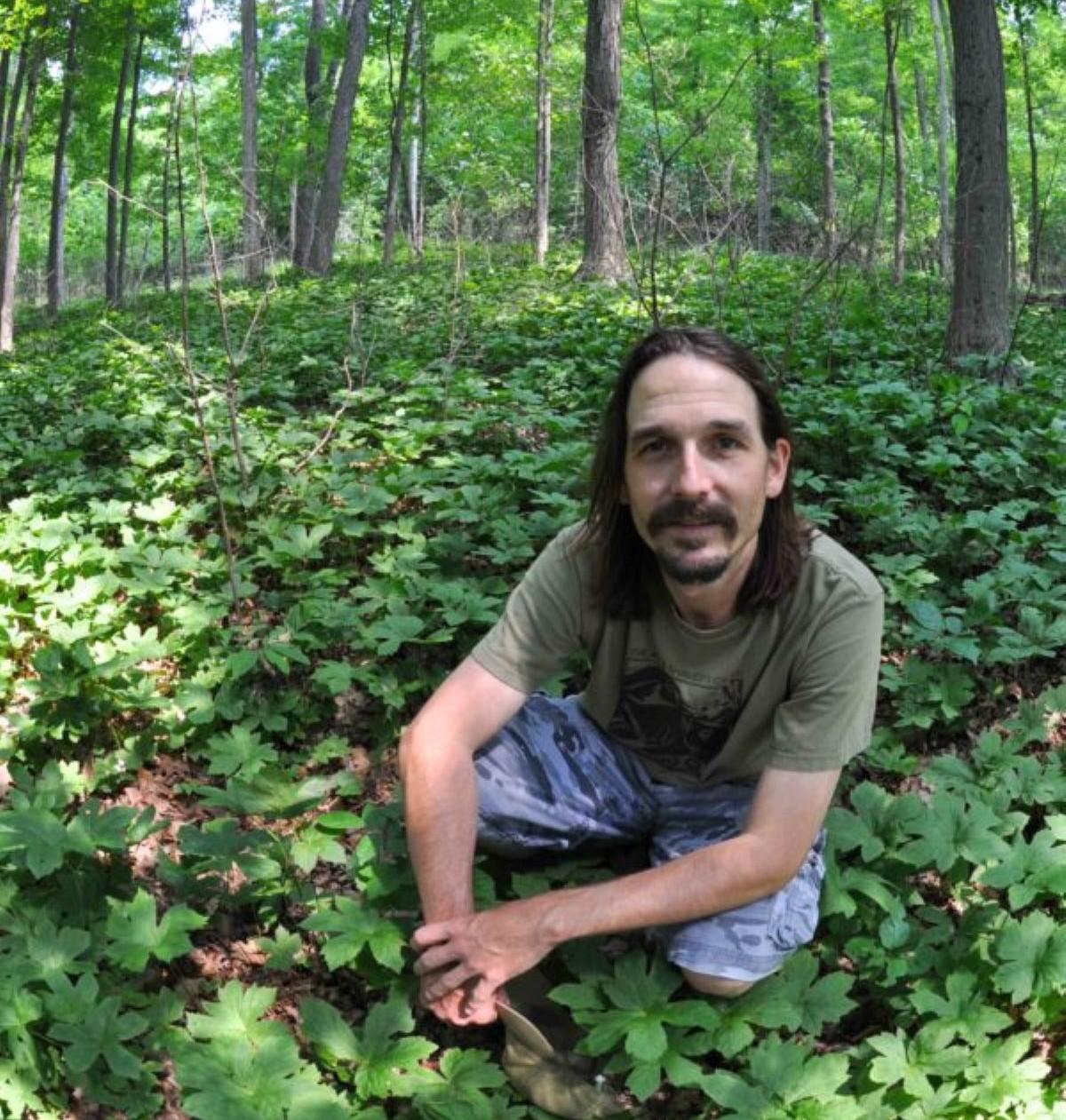
Dr. Eric Burkhart is a botanist, ethnobotanist, and agroforester in the Department of Ecosystem Science and Management at Penn State. He holds degrees in Botany/Ethnobotany (B.A, Idaho State University), Horticulture (M.S., Penn State University), and Forest Resources (Ph.D., Penn State University). His research and teaching program focuses on wild plant stewardship and agroforestry crop development in Appalachia and the Caribbean. Burkgart will talk about the Appalachian region of the eastern United States, which includes most of Pennsylvania, and is a rich repository of temperate plant biodiversity. In this presentation, Dr. Burkhart will share examples of his work with culinary and medicinal crop development using native Appalachian forest species, and discuss some of the conservation, restoration, and economic opportunities associated with these efforts.
Montgomery Parks – Events

Hiking Histories – Tuesday, April 14
Tuesday, April 14
11:00AM – 2:00PM | All Ages
Fee: $12.00
Agricultural History Farm Park
18400 Muncaster Road
Redland Maryland 20855
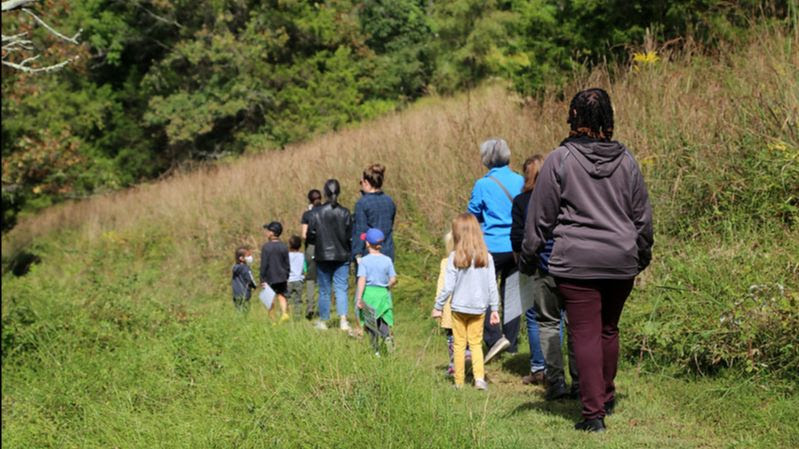
Come explore the Farm Park’s unique trails while uncovering its rich past with Hiking Histories! This 2–3 hour guided hike takes participants along the Farm Park’s 5.5 miles of trails, blending outdoor exploration with engaging historical insights. As we hike through meadows, woodlands and historic landscapes, you’ll learn about the people, places and events that shaped the area – bringing local history to life in a vivid and memorable way. Perfect for curious hikers and history enthusiasts alike, Hiking Histories offers a refreshing mix of exercise, discovery and a deeper understanding of the land beneath your feet. We’ll meet in front of the big red barn on the historic side of the Farm Park – just follow the gravel road up toward the barn and park in the grassy lot marked “Visitor Parking.” Be sure to dress for the weather, wear sturdy footwear, and bring water.

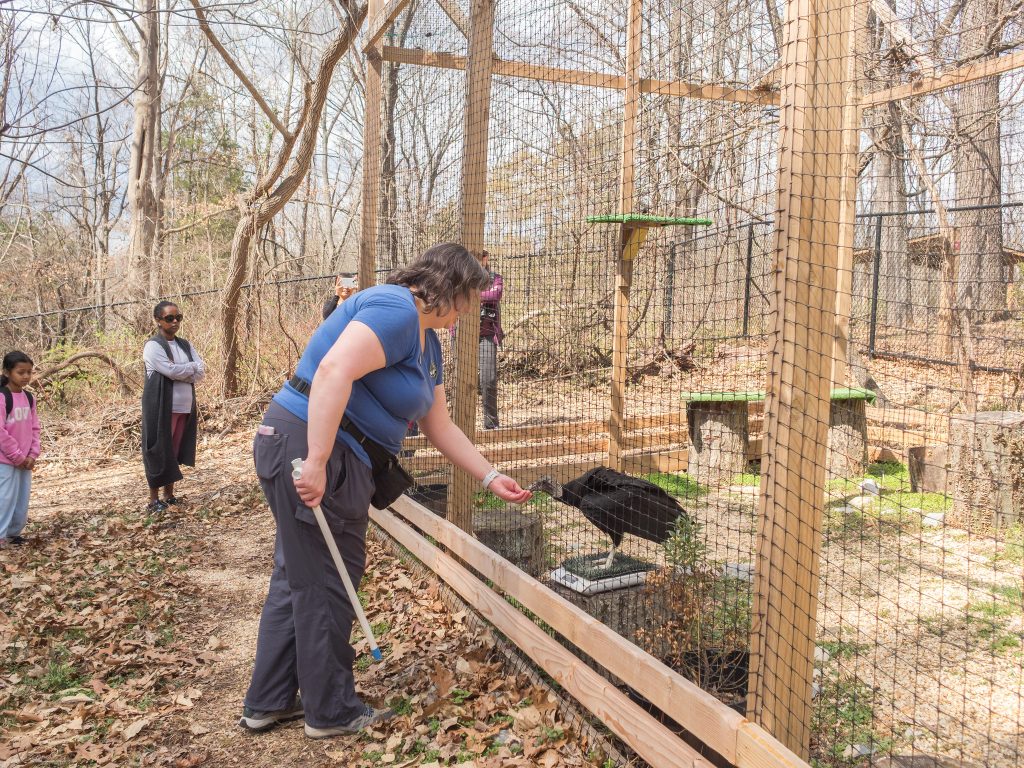
Storytime Around the Campfire: Saturday, May 2 | 10 to 11 am | All Ages | $7
All Bodies, All Levels Flow Yoga: Thursday, May 7 | 5 to 6 pm | Ages 16+ | $15
W.A.N.D.E.R. Shelter Building: Saturday, May 9 | 10 am to 12 pm | Ages 18+ | $25
Kindness Rocks!: Saturday, May 16 | 11 am to 12 pm | All Ages | $7
Raptor Caretaker Chats: Saturday, May 16 | 2 to 2:45 pm | All Ages | FREE


Native Plant Sale: Saturday, May 2 from 11 am to 4 pm | Sunday, May 3 from 9 am to 4 pm | All Ages
Stream Adventures: Saturday, May 2 | 2 to 3:30 pm | Ages 2 to 12 | $7
Kayaking for Beginners: Tuesdays, May 5 & 19 from 6 to 8 pm | Sunday, May 10 from 9 to 11 am | Ages 12+ | $60
55+ Kayaking for Beginners: Tuesdays, May 5 & 19 from 3 to 5 pm | Sunday, May 10 from 12 to 2 pm | Ages 55+ | $60
Black Hill Van Trips – Chanticleer Garden: Wednesday, May 6 | 9 am to 8 pm | Ages 18+ | $70
55+ Cruise: Thursdays, May 7 & 21 | 2:30 to 3:30 pm | Ages 55+ | $8
Lake Tour by Kayak – Full Moon Paddle: Tuesday, May 12 | 6 to 8 pm | Ages 12+ | $30
A Monumental Paddle: Sunday, May 17 | 8 am to 5 pm | Ages 18+ | $100
Black Hill Bookworms – Medicine Wheel for the Planet: Thursday, May 21 | 6 to 7:30 pm | Ages 16+ | FREE
Birding for Beginners: Saturday, May 23 | 9 am to 12 pm | Ages 16+ | $12


Starting April 1 | 9 am to 3 pm | All Ages | $15.99 for Ages 13+, $10.99 for Ages 3 to 12 (includes $1.99 service charge) |
The Butterfly Experience kicks off at Brookside Gardens on April 1. Visitors will be immersed in a dazzling display of butterflies from around the world while learning the important roles these pollinators play in a variety of ecosystems and how to ensure these beautiful insects thrive in our own gardens.
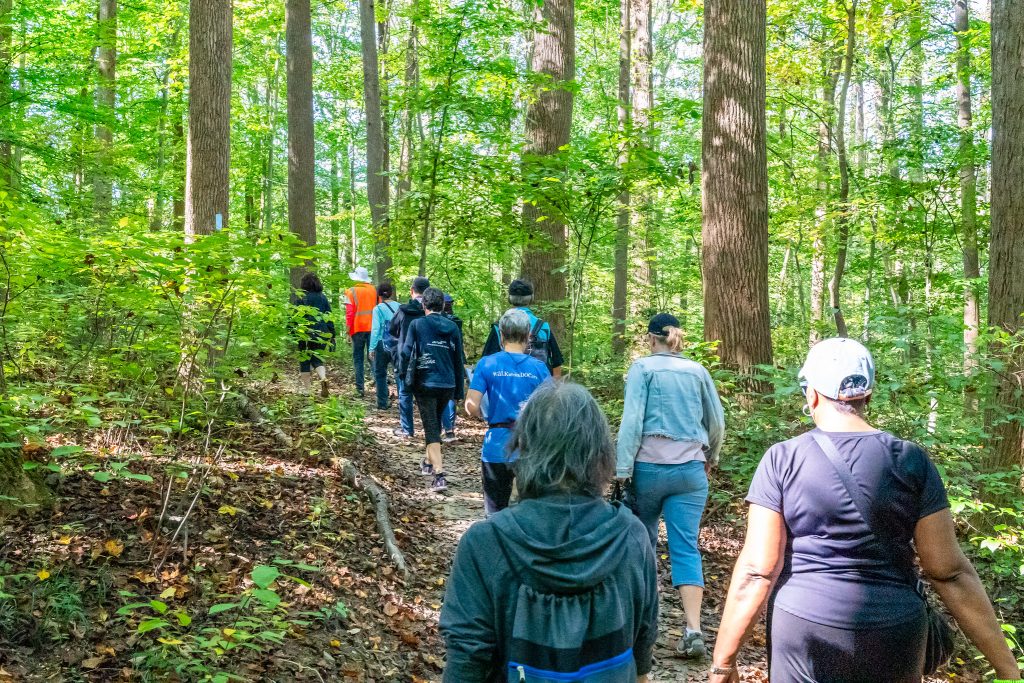
Evening Campfire – Frog Songs: Saturday, May 2 | 7 to 8:30 pm | Ages 3+ | $7
Guided Bird Walk at Brookside Gardens Wednesday, May 6, 2026 7:30AM – 9:00AM Brookside Gardens
Mindfulness Walk: Friday, May 8 | 1 to 2 pm | Ages 18+ | $7
Guided Bird Walk at Brookside Gardens
Saturday, May 9, 2026 7:30AM – 9:00AM Brookside Gardens
Butterfly Gardening Made Easy: How to Support All Life Stages
Thursday, May 14, 2026 10:00AM – 12:00PM Brookside Gardens
Sunday, May 17, 2026 10:00AM – 12:00PM Brookside Gardens
Sunday, May 17, 2026 9:00AM – 9:45AM Brookside Gardens
Summer Perennial Container Workshop
Tuesday, May 19, 2026 10:00AM – 11:30AM Brookside Gardens
Guided Bird Walk – Celebrating Black Birders Week
Wednesday, May 27, 2026 8:00AM – 9:30AM Brookside Gardens
Sunday, May 31, 2026 11:00AM – 12:00PM Brookside Gardens
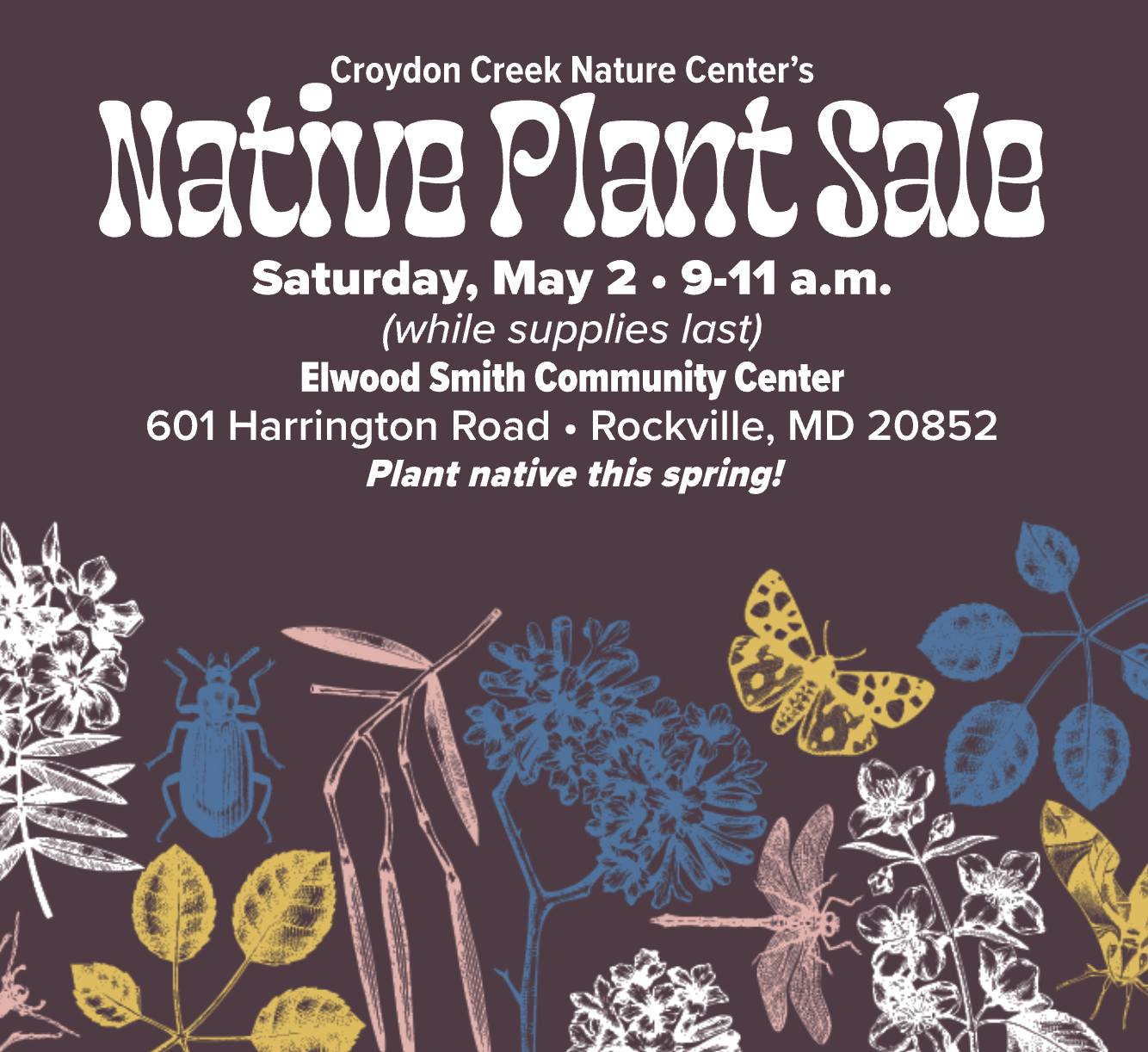
Croydon Creek Nature Center’s Native Plant Sale
Planning your spring and summer garden? Save the date for Croydon Creek Nature Center’s Native Plant Sale! Saturday, May 2, from 9-11 a.m. at Elwood Smith Community Center.

Spring Native Plant Sale
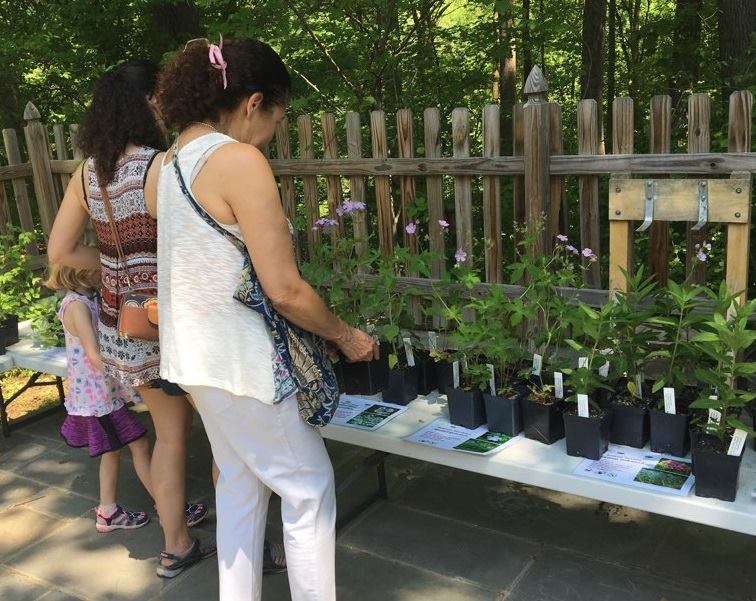
In-Person Sale: Sat – Sun, May 16-17, 10am-2pm each day
Sale location: Pope Farm Nursery: 7400 Airpark Road, Gaithersburg.
Please note: Pope Farm is only open to the public during sale hours.
It’s that time of year again, Locust Grove Nature Center will be having their Spring Native Plant Sale on Saturday, May 16 and Sunday, May 17 from 10am to 2pm each day at Pope Farm Nursery.
Sale location:
Pope Farm Nursery
7400 Airpark Road
Gaithersburg, MD 20879
Seneca Creek State Park May Programs
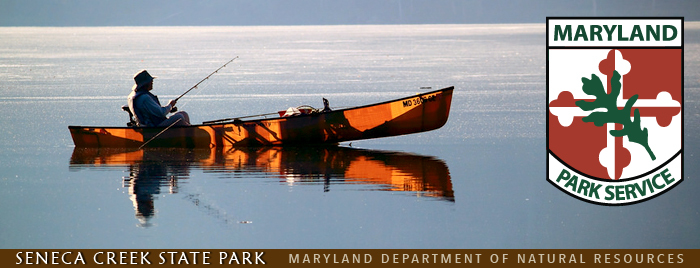
Seneca Creek State Park
11950 Clopper Road
Gaithersburg, MD 20878
Here’s a link to Seneca Creek State Park’s May Programs. Featured events for May include Peony Watch Hike, Mindfulness Hike, Bluebird Nesting Box Walk, Peony Talks, Mother’s Day Hike, Blue Mash Nature Trail Hike, Miles for Maryland Challenge Hike, City Nature Challenge Info Session & Hike, Take Me Fishing, and more! These events are provided by The Friends of Seneca Creek State Park.
About Friends Of Seneca Creek State Park (FOSCSP)
The only State Park entirely in Montgomery County, featuring Hiking, Disc Golf, Boating, Fishing, Peony Display Garden, Recycled Tire Playground, and Winter Lights display from Nov. 27th through December 31st. Entrance is free from November through March.
The Friends of Seneca Creek State Park collect dues and donations that are used to support the visitor experience in the park. We are a 501(c)(3) designated charity, so all donations, including dues, are tax deductible as allowed by law.
Montgomery College

Lifelong Learning Home and Garden Classes – Summer 2026
See Schedule of Summer Classes below:
| Course | Course Title | Start Date | End Date | Day(s) | Time | Location |
| LLP152 | Annuals and Perennials for Mid-Atlantic Landscape | 7/21 | 7/28 | T | 6:30-9 p.m. | RC |
| LLP043 | Easy Care Houseplants | 8/4 | 8/11 | T | 6:30-9 p.m. | SR |
| LLP273 | Garden Design | 7/16- | 8/6 | R | 6:30-9 p.m. | RC |
| LLI022 | Orchids: How To Grow and Bloom | 8/18 | 8/18 | T | 6:30-9:30 p.m. | SR |
Let’s Talk Gardens
Thursdays 12 to 1 p.m.
Smithsonian Gardens
“Grow” your gardening know-how! Our free online gardening program, Let’s Talk Gardens, covers a wide range of topics presented by our own professional staff, as well as guest speakers.
And we encourage you to watch videos in our Let’s Talk Gardens Video Library.