Hello Friends, Neighbors, Fellow Gardeners,
Happy New Year! Here are some garden tips, educational opportunities, and videos for January. Some upcoming events/resources include Milk Jug Seed Sowing of Native Plants, Natives at Noon 1st Wednesday Webinars, Winter Sowing Workshop, Intergenerational Care for Land and Community Webinar, Wednesday Water Webinars, Montgomery Parks – Events: Winter Snowcials – January 11 at the Agricultural History Farm Park, Black Hill Discovery Center: Birding for Beginners, Birding – Waterfowl Hike, Hike Club – Birder Edition, Brookside Gardens: Introduction to Plant Propagation, Everything You Wanted to Know About Pruning, Greenscapes Symposium February 2026, Project FeederWatch at Locust Grove, Meadowside Nature Center: Trivia Night, Raptor Identification, Hawks & Hot Chocolate, Seneca Creek State Park January Programs, Montgomery College’s Environmental Horticulture Program and Lifelong Learning Home and Garden Classes – Spring 2026, and more! A lot of gardening events are announced on Facebook as well as on our website. These events will be hosted as online or in-person events.
Planning Tips
- Buy seeds and order plants from new garden catalogs.
- Evaluate your gardening year, make notes of what worked well for you this season and what didn’t.
- Decide where your plants are going in your garden.
- Collect plant seeds for this year and trading.
- Gather seeds and carefully label them. Store in dry location.
- Clean, sharpen, and store your garden tools.
- Repair your shed and repair/paint your fences.
- Check out gardening books from your local library to read.
- Pick up new gardening books and magazines for inspiration.
- Volunteer at a local public or historic garden.
- Plan for 2026 with these Free resources: Landscaping with Native Plants by the Maryland Native Plant Society, Plant Invaders of Mid-Atlantic Natural Areas by the National Park Service, Master Gardeners of Northern Virginia Reading Room. Visit our Online Gardening Resources page for more helpful online resources.
- Buy a good gardening book or magazine subscription for a gift for your favorite gardener.
- Have a question about gardening? Check the University of Maryland Extension’s New Maryland Grows blog for garden tips.
Join Mill Creek Towne Garden Club!
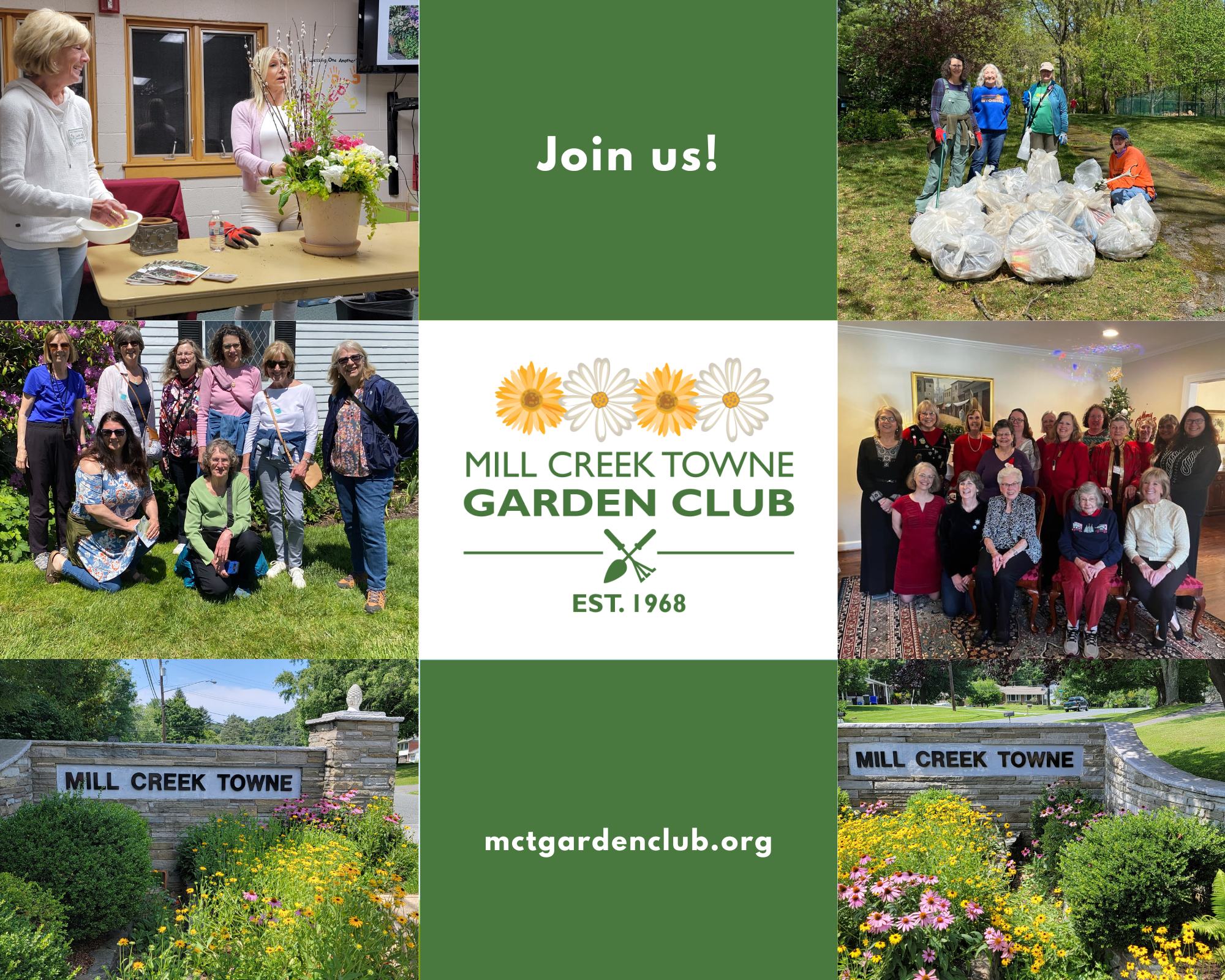
- Are you interested in gardening? Perhaps you’re a beginner, looking to learn more, or an experienced gardener interested in sharing your experiences and learning from others?
- Are you interested in making your home and community a more beautiful place to live?
- Are you interested in getting more involved in your community and getting to know your neighbors better?
Visit Our MCT Garden Club Website for Gardening Resources

- Local Gardening Resources: Looking for a Master Gardener as a guest speaker, need gardening advice, or want to learn about resources in or near Mill Creek Towne? Visit our Resources page for details.
- MCTGC Blog: Check our monthly blog for garden tips and local/online garden-related events.
- Gardening Books: Looking for a gift for your favorite gardener? Visit our Gardening Books Resources page for holiday gift ideas.
- Local Gardens: Visit our Local Gardens page to learn about local gardens in our area.
- Montgomery County Farmers’ Markets: Support our local farmers. Check this page to learn about local farmers markets in our area or join a CSA and get fresh local produce year-round!
- Online Gardening Resources: Looking for gardening apps or online resources to help with your gardening? Check out our Online Gardening Resources page for some apps for your smartphone and online gardening resources focused on the DMV area.
- Recipes: Looking for a recipe for your home-grown veggies and fruit? Check our Recipes page for ideas.

Maryland Grows Blog
In weekly posts on MD HGIC’s blog, learn about pollinator conservation, growing native plants and food, and how to solve plant pest and disease problems.
Featured Article
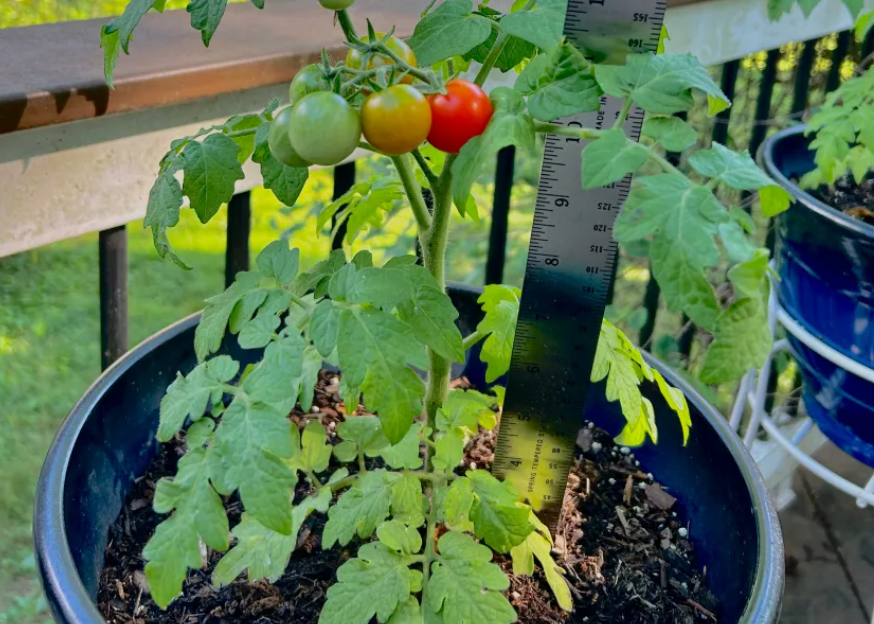
It’s too Darn Hot: Garden Schemes for Sweltering Days
Principal Agent Associate Annette Cormany shares garden tips for excessive heat.
Other Timely Topics
MD HGIC Video Tips
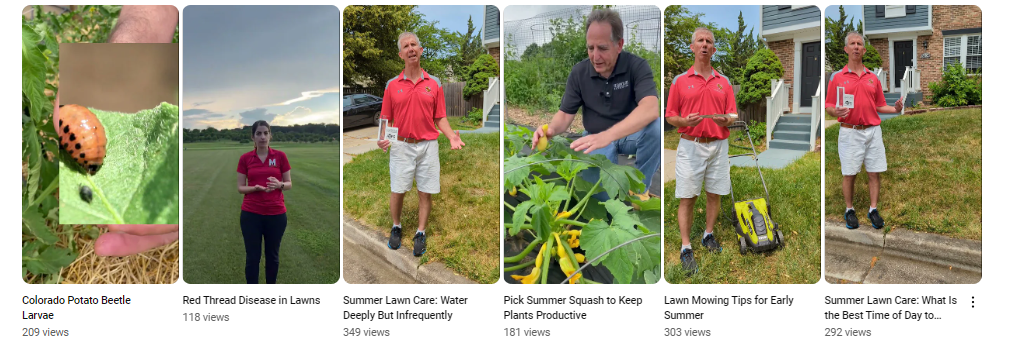
Our Extension experts are sharing one-minute video tips to help you in the garden this summer. We’re talking about pest management in the vegetable garden, tree and lawn diseases, native plants, mowing lawns, and more!
For more information, please visit:
 |
|
What can Master Gardeners do for you?
- Help you select and care for annual and perennial plants, shrubs and trees.
- Determine if you need to test your soil.
- Provide you with information on lawn care.
- Identify weeds, beneficial and noxious insects, and plant diseases and remedies.
- Teach you how to use pesticides, mulch and compost.
- Guide you in pruning trees and shrubs.
- Provide you with options for managing wildlife.
- Provide you with gardening resources.
- Help you submit a plant sample for diagnosis
Plant Clinics are held at several sites in the county on a weekly basis and at special events such as garden festivals and the county fair. Regularly scheduled Plant Clinics are located at public libraries and farmers’ markets throughout the county as well as at the Audubon Naturalist Society in Chevy Chase. There are also clinics three days per week at Brookside Gardens. The busiest season is April through September, but some clinics are open year-round. Bring your plant samples and questions to one of these locations in Montgomery County, MD (see link below to find a location near you):
https://extension.umd.edu/mg/locations/plant-clinics
UMD Home and Garden Information Center: Ask a Master Gardener
Do you have a gardening question? Our Certified Professional Horticulturists, faculty, and Master Gardener Volunteers are ready to answer – year-round!
See below to ask a master gardener a question on the UMD Extension website:
Maryland’s Best Native Plant Program
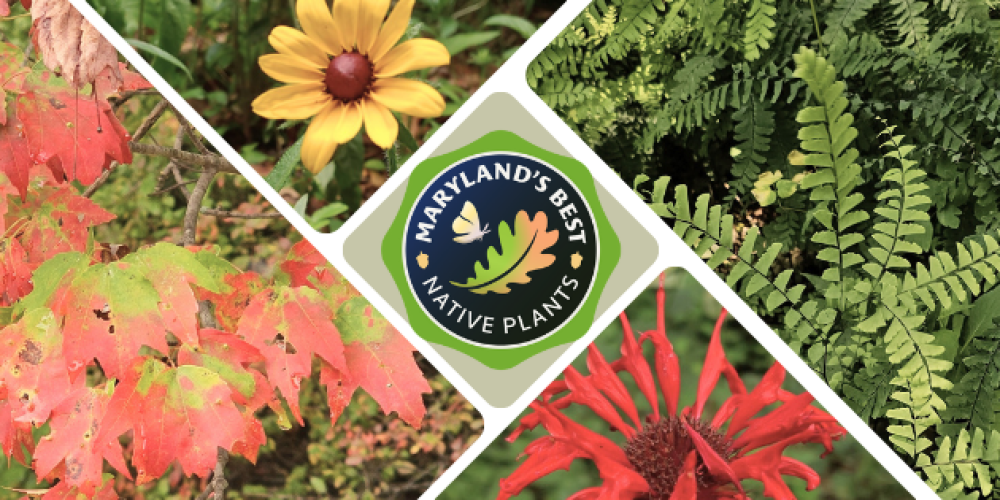
The Maryland Department of Agriculture (MDA) in partnership with University of Maryland Extension, the Department of Natural Resources, and the Maryland Native Plant Society is proud to introduce the MDA’s Maryland’s Best Native Plant Program.
This program aims to bring education, awareness, and recognition to consumers and producers about the importance of native plants by:
- creating a Commercial Maryland Native Plant List to help nurseries and consumers choose the most attractive and best plants for the environment
- recognizing retailers, wholesalers, and growers who are selling native plants via a tiered (bronze, silver, gold), voluntary certification program, and helping consumers know where to buy native plants
- providing marketing materials- including a MD Native Plant logo- to help consumers identify what’s native to Maryland
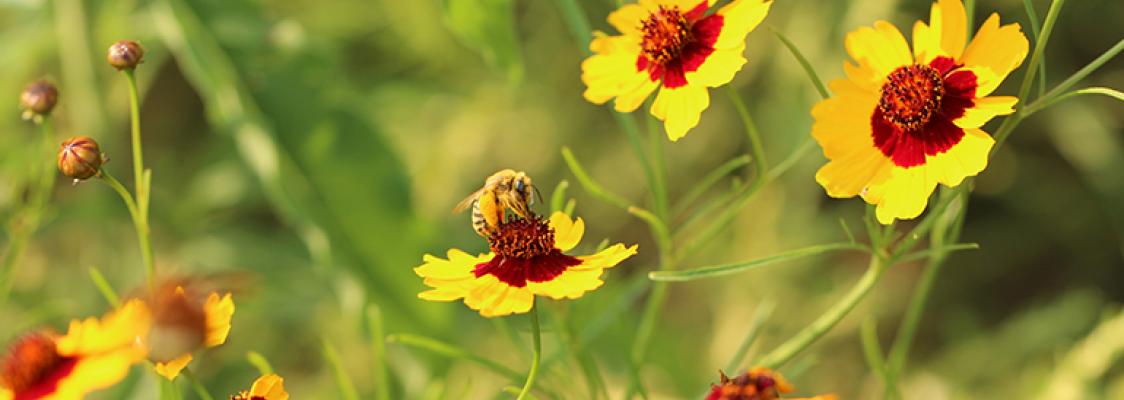
Check out the revised list of Mid-Atlantic native plants for pollinators and beneficial insects, from the Xerces Society.
Flowers and Groundcovers
- Plant the bulbs you forgot to plant last fall!
- Start seeds for: Petunia, Dwarf Snapdragons. Check daily for moisture.
- Start hardy pansies and perennials.
- Clean and tidy up pots and seed trays to get a good start in February.
- Hand-pull visible weeds.
- Do not step on frozen soil in flower beds or lawns.
- Pot up any leftover bulbs that did not make it into the ground by now and force them for indoor blooms.
- Look for evidence of pest or fungal damage throughout your garden.
- Cut back perennials that have turned to mush. Leave others with seedheads on Black-eyed Susan, Echinacea, Goldenrod, Sunflowers, and Thistles for the birds to enjoy over the winter.
- Check the plants under tall evergreens and under the eaves of the house to see that they have sufficient moisture.
- Provide some special protection to tender or early flowering plants like Camellias.
- Check any summer-blooming bulbs, corms, tubers, and bare root plants in storage for rot or desiccation. Discard any that have rotted.
- Bulb foliage already starting to surface? Don’t fret. It is also normal and will not affect next year’s blooms.
- Collect dried flowers and grasses for an indoor vase.
- After hard frost, sow seeds of spring-blooming hardy annuals & perennials, then mark beds!
- Inspect for powdery mildew. If seen, prune back perennials to create needed circulation. Discard properly (i.e., not in your compost bin).
- Rake up weeds and their seedlings, especially look for fast-growing vines such as honeysuckle, autumn clematis, bittersweet, wild grape, Virginia creeper, and poison ivy.
- Pests to watch for: deer, voles
- Diseases to watch for: Damping off of seedlings.
- See UMD’s HGIC Garden Tips for more details.
- For a list of native plant resources, visit: https://extension.umd.edu/hgic/topics/native-plant-resources

5 Million Trees Initiative
Maryland’s goal is to plant and maintain 5 million native trees by 2031. There are various ways you can get involved – plant trees and register them — or volunteer! A number of tree-planting assistance programs are available at the municipal, county, and state levels.
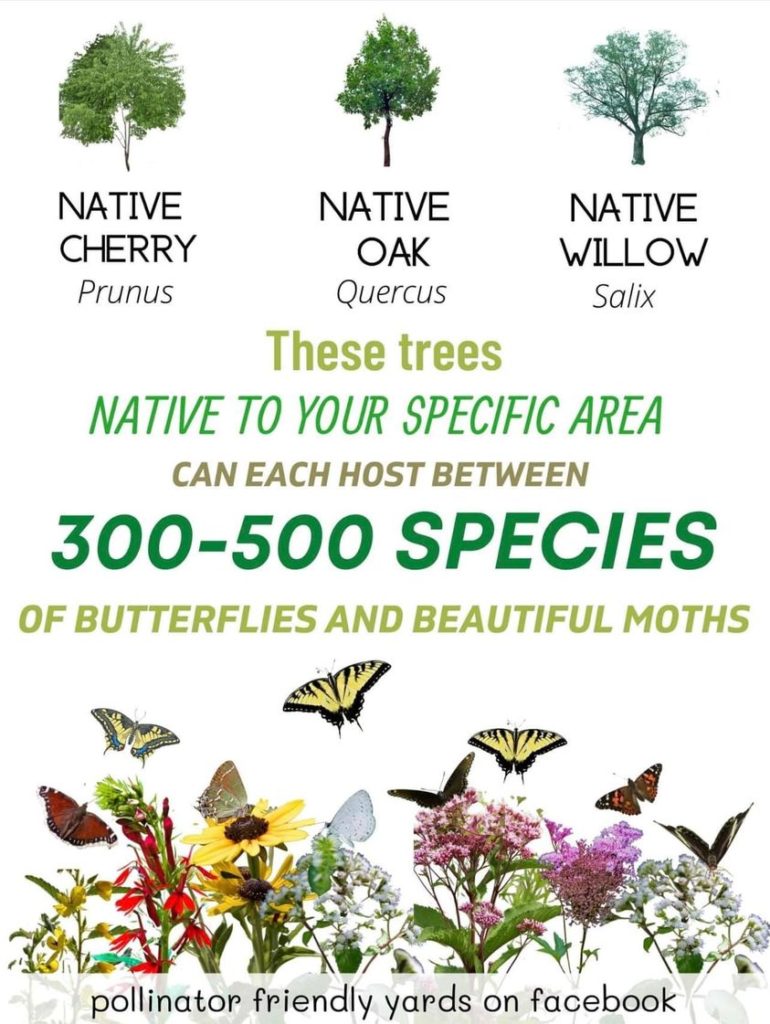
THIS is the SUPERPOWER of YOUR KEYSTONE NATIVE PLANTS.
- No exotic plant could ever achieve this.
- Want butterflies? Feed the caterpillars with keystone plants!
- Exotic plants will never support as many different species of caterpillars as the Keystone Natives can.
- Find your keystone native plants here by zip code.
If your zip code doesn’t give you enough information try zip codes of the nearest larger town or city. LINK: https://www.nwf.org/NativePlantFinder/
Trees and Shrubs
- Prune maples, dogwoods, birch, elm, walnut, and yellowwood to prevent “bleeding”.
- Gently remove layers of snow from outdoor evergreens with a broom.
- Check that newly planted trees, shrubs, and perennials have not been heaved out of the ground due to freezing and thawing cycles.
- Prune summer bloomers such as Hydrangeas, Rose of Sharon, Crape Myrtles, and Butterfly Bushes.
- Take hardwood cuttings from willow and dogwood to propagate them.
- Root prune trees and shrubs to be transplanted next year.
- Clean your gutters.
- Water evergreens and new plantings to keep them hydrated this winter.
- Check often and water newly planted trees if they don’t pass the finger test (stick your finger deep into soil – dry? Water!)
- Prune foundation shrubs and trees to be no closer than 1 foot from the house.
- Do not fertilize newly planted or transplanted plants the first year.
- Prune broken, dead, diseased, or damaged branches.
- Keep an eye out for bark damage from rabbits or deer.
- Check for vole problems and set out traps.
- Spray broadleaf evergreens with anti-desiccant to prevent dehydration.
- Use fallen leaves for mulch or compost.
- Weed – especially look for fast-growing vines such as honeysuckle, autumn clematis, bittersweet, wild grape, Virginia creeper, and poison ivy. Remove Ivy, Pachysandra, and other vine-like groundcover from under shrubs.
- Mulch or compost healthy leaves.
- Continue to remove fallen, diseased leaves.
- Put diseased leaves, pesticide-laden grass clippings and weed seeds in your trash — not your compost pile.
- Turn your compost pile weekly and don’t let it dry out. Work compost into your planting beds.
- Apply scale and dormant oil treatment to evergreens.
- Remove dead and dying trees.
- Pests to watch for: deer and voles.
- Diseases to watch for: Phomopsis and Kabatina of Juniper, Diplodia tip blight of 2 & 3 needled pines.
- For more tips, see UMD’s HGIC Garden Tips for more details.
Herbs, Veggies, and Fruit
- Cover garlic plants with straw or leaf mulch.
- Till and add organic matter to annual/vegetable beds.
- Start hardy herbs, onions, and cabbage.
- Fire blight damage on apples and pears should be pruned out during the coldest periods in January. This will lessen the chance of spreading the bacterial infection.
- Prune dead bramble canes.
- Prune stone fruit trees like cherries, plums, and peaches.
- Clean out your cold frame or build a new one.
- Collect large plastic soda bottles to use as cloches. (A cloche is a clear, bell-shaped cover used to protect tender plants from frost.)
- Spread ashes from wood fires on your vegetable beds.
- Avoid walking in frozen planting beds.
- Store your fertilizer and seeds in a rodent-proof container.
- Protect fig trees from freezing by piling up leaves around them.
- Collect seeds for this year’s planting and for trading at seed exchanges.
- Prune fruit trees as their buds are swelling. Check for dead and diseased wood to prune out.
- Remove finished plants.
- Cover strawberry beds with straw or pine needles for winter.
- Vent cold frames on sunny days.
- Apply dormant oil spray to fruit trees.
- Pests to watch for: rabbits, deer, woodchucks, and birds.
- Diseases to watch for: Powdery mildew, Fire blight, Fungal, bacterial, viral diseases.
- Here are some more UMD’s HGIC Garden Tips.
Lawns
- Do any filling or grading around your yard. The soil will settle during the winter months.
- Some alternatives to de-icing salts include sand, beet juice sugars, light gravel (grit), or non-clumping kitty litter. Using de-icing salts around driveways and sidewalks can harm your garden plants and turf.
- Avoid walking on frozen grass to avoid damaging the crowns.
- Turn off outdoor water valve and store hoses.
- Clean yard of leaves and other debris.
- Mulch bare areas.
- Get your lawnmower serviced.
- Apply grub control to your lawn.
- Sharpen your lawnmower blade.
- Check and tune-up power equipment (mowers and trimmers).
- Turn your compost pile.
- Diseases to watch for: brown patch, and red thread
- Pests to watch for: Grubs
- See UMD’s HGIC Garden Tips for more details.
Indoors/Houseplants
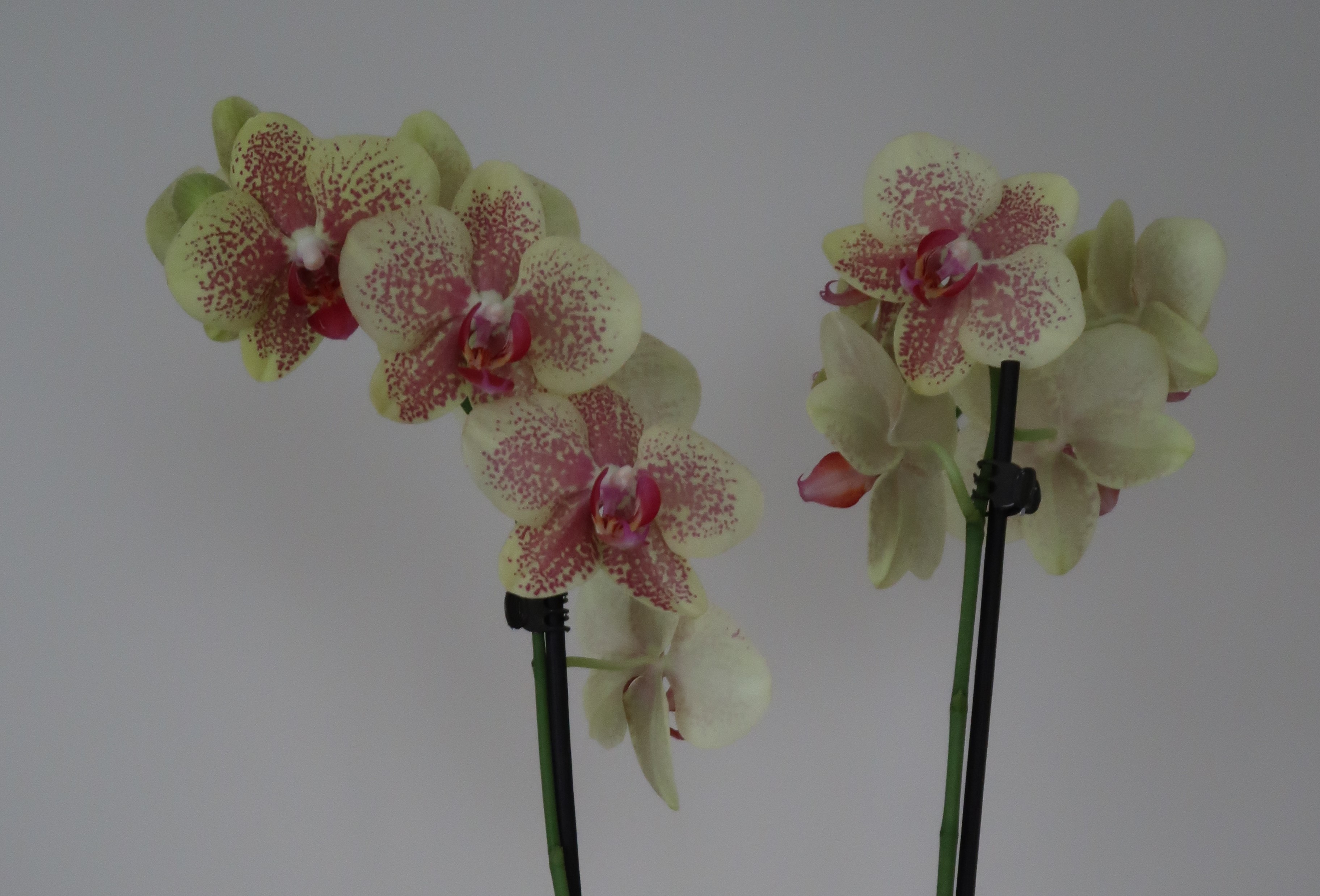
- Cut off the flower stalk on your amaryllis once flowers fade. Leave foliage to grow.
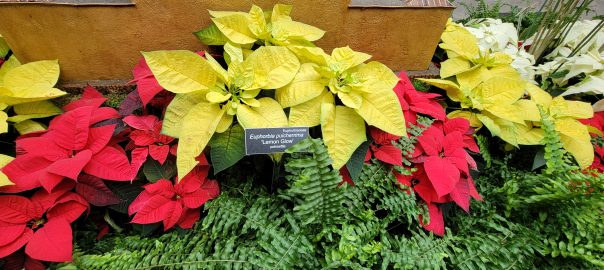
- Keep watering your poinsettias and give them plenty of light. Ensure they are away from drafts and that the pots drain freely.
- Buy a few new house plants.
- Fertilize only your winter-blooming house plants, such as violets.
- Deadhead flowering plants.
- Start new indoor plants from cuttings – try an easy one such as violets.
- Scan houseplants for insect activity.
- Maintain moisture in pots, but do not overwater!
- Set up humidifier for indoor plants or at least place them in pebble trays.
- Clean the leaves of your indoor houseplants to prevent dust and film build-up.
- Give your houseplants a quarter turn every few weeks.
- Keep all houseplants out of drafts and away from heat vents.
- Keep succulents and cacti on the dry side.
- Check on your container plants daily and keep them well-watered.
- Remove old leaves, damaged stems.
- Pinch out growing tips of leggy cuttings and plants that are overwintering.
- Clean the leaves of your indoor houseplants to prevent dust and film build-up.
- Pests to watch for: aphids, spider mites, mealybug, scale, stinkbugs, and whitefly.
- See UMD’s HGIC Garden Tips for more information.
Read and follow label instructions on all pesticides and herbicides.
Start the year off by minimizing your #risk to #pesticides and always #ReadTheLabel! Learn more here: http://npic.orst.edu/health/readlabel.html
Questions about your label? Call us! 800-858-7378 M-F 8am-12pm PST
Indoor/Outdoor Insect and Wildlife Tips
- Caulk and seal your outside walls to prevent insect entry into your home.
- Check indoors for termites and ants.
- Remove and destroy gypsy moth egg masses.
- Put up birdhouses.
- Put suet out for birds.
- Keep bird feeders clean and filled and provide a source of water.
- Wash out birdbaths daily with diluted bleach solution.
- Switch your deer deterrent spray. Re-apply after heavy rains.
- Set out traps for mice, moles, and voles.
- Watch for: eggs, larvae, overwintering stage of many species, carpenter ants, flies, stink bugs, termites, rabbits, raccoons, groundhogs, deer, mice, moles, snakes, squirrels, and voles.
- For more information, see UMD’s HGIC Garden Tips.
Source: University of Maryland’s Home and Garden Information Center (HGIC) and the Washington Gardener.
See more tips from HGIC:

Milk Jug Seed Sowing of Native Plants

Saturday, January 3
1:00pm – 2:00pm
Gaithersburg Library
18330 Montgomery Village Ave.
Gaithersburg, MD 20879
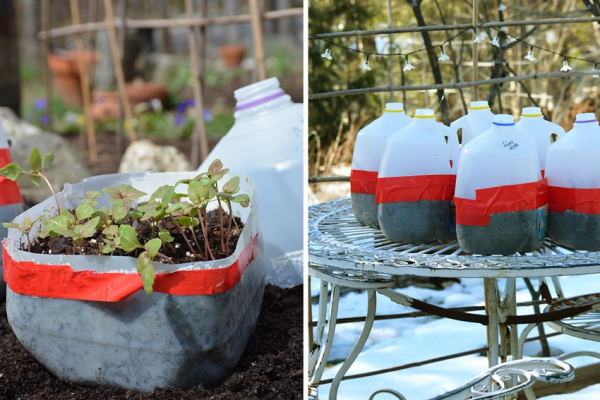
Get your hands dirty in this Milk Jug Native Seed Sowing Workshop!
Join Linda Barett from Chesapeake Natives Incorporated as she guides us through the process of using milk jugs to sow native seeds. Milk jugs provide the perfect little greenhouse for your seeds even during the cold winter months.
All materials will be provided.
About Linda Barrett
Linda Barrett is a volunteer and member of the board for Chesapeake Natives Incorporated. Linda wanted to learn more about native plants for pollination, so she decided to volunteer at CN native plant nursery. She has spent the last four years learning about seed collection, seed stratification, and plant propagation for various types of native plants. She has shared “Milk Jug Seed Sowing” classes with Chesapeake Natives clients and her church congregation for the past 2 years.
Chesapeake Natives Inc. was founded in 2005 by a group of people committed to expanding knowledge, availability, and use of local ecotype native species (LENS) before many residents knew their virtue or how to find such plants or seeds. They continue to grow well over 75,000 LENS plants per year for distribution to the general public, county parks and nature centers, and stormwater restoration efforts.
Questions about this program? Contact the Gaithersburg Library at 240-773-9490.
Questions about this program? Contact the branch at 240-777-0140.
Don’t have a card right now? No worries! Find out how to Get a Library Card.
Library Program Attendance (both virtual and in the branch) is limited to participants within the suggested age range of the program. Children attending an MCPL program under the age of 8 must be accompanied by an adult. Adults attending a program intended for children must have an accompanying child.
If you plan to attend with a group of ten or more, please contact the branch at least one week before the program to discuss how your group might be accommodated.
Natives at Noon 1st Wednesday Webinars
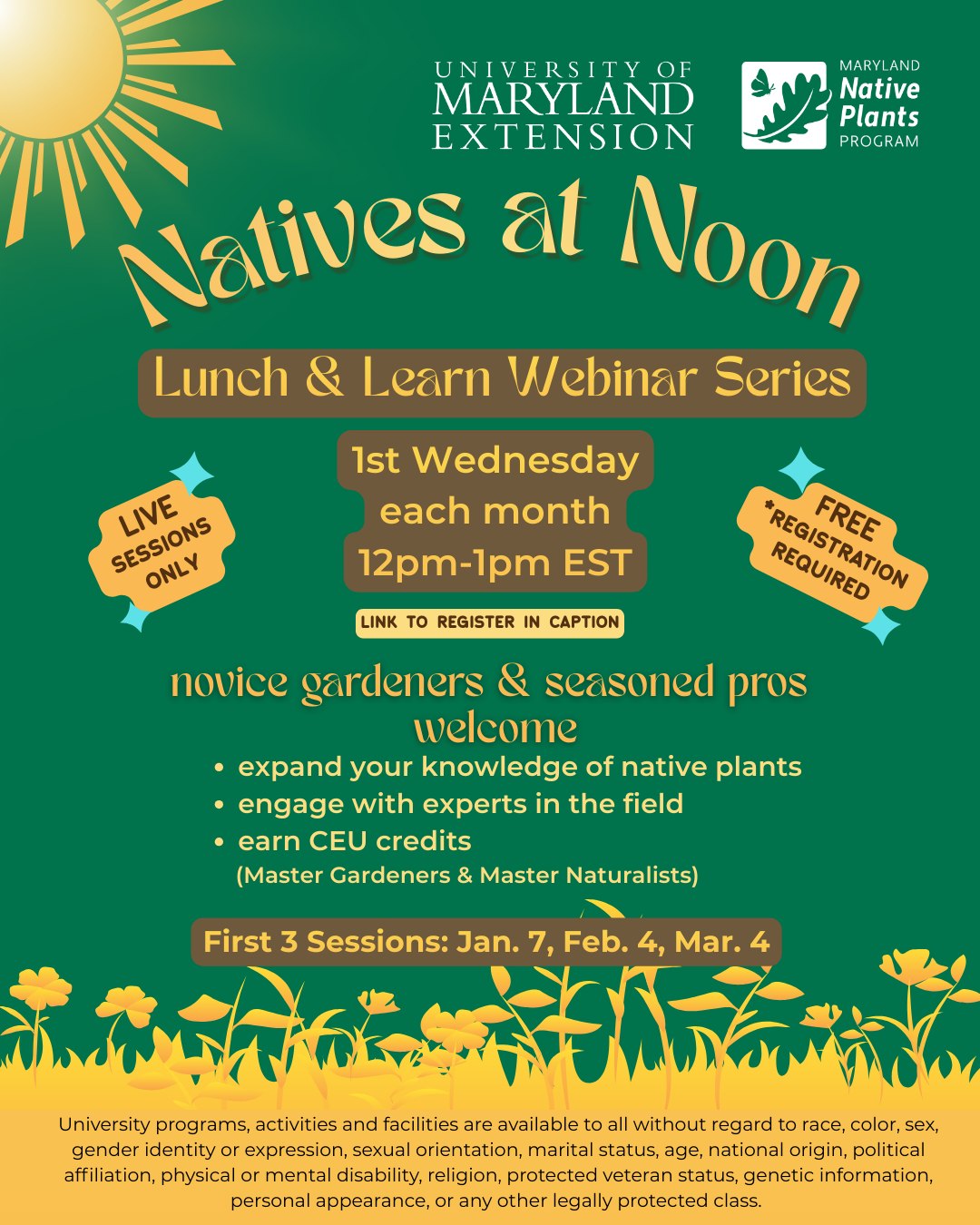
Natives at Noon: a free webinar series (registration required) starting in January, brought to you by the Maryland Native Plant Program!
Join in on the first Wednesday of the month to grow your knowledge of native plants and engage with experts in related fields.
Registration links:
January 7th: https://umd.zoom.us/webinar/register/WN_TCR0jI6hT02KjEQrIa9TeQ#/registration
February 4th: https://umd.zoom.us/webinar/register/WN_ys_337mQRmee3C-GK8ia8A#/registration
March 4th: https://umd.zoom.us/webinar/register/WN_n-E8Hb9ZSEyJgQM529_V7A#/registration
*Webinar will not be recorded. More dates will be posted for registration as they near.
(For an accessible version of this information, please message us.)
Winter Sowing Workshop
Sunday, January 11th
12pm – 2pm
116 S. Main Street
Mt. Airy, MD 21771
Fee: $5
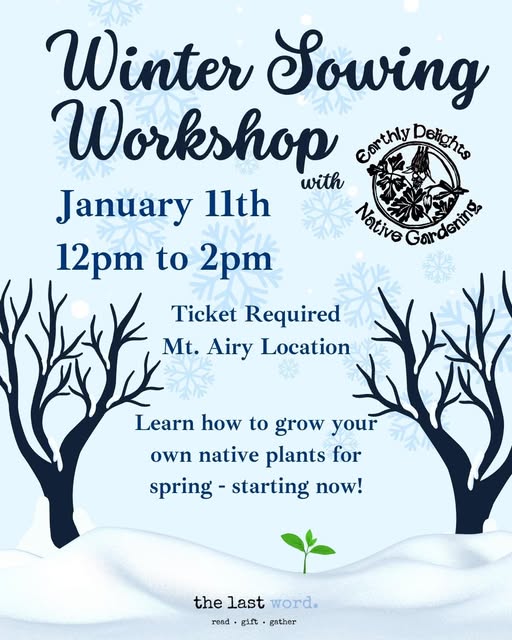
Spring gardening will be here soon and now is the best time to prepare! Most Maryland native plants need cold temperatures for their seeds to germinate in Spring. Winter sowing is a simple, effective, and (frankly) addictive method to start native plants outside! Come learn about this fascinating process and participate in sowing seeds to bring home with you on Sunday, January 11th from 12pm to 2pm! Earthly Delights Native Gardening will be running this hands-on workshop and providing all the supplies! If you have native plant seeds you want bring, please do! Spots are limited, so grab your $5 ticket on our Events Page and we’ll see you soon to play in the dirt! 
https://thelastwordbookstore.com/events/4286620260111
Intergenerational Care for Land and Community Webinar

 Wednesday, January 21, 2026
6:00pm
Looking for meaningful ways to engage with native plants beyond your own yard?
Join us for a live webinar featuring Robin Wall Kimmerer of Plant Baby Plant and youth leader Esther Bonney of Nurture Natives. Together, they will explore how people of all ages can take part in the native plant movement through shared learning, relationships, and local action.
This conversation is presented in partnership with Plant Baby Plant and Nurture Natives. Donations made at registration will be shared to support community-rooted native plant projects.
 Register now: https://wildones.org/conversation-with-robin-wall-kimmerer-esther-bonney/
Wednesday Water Webinars

University of Maryland Extension will be hosting monthly webinars on various water quality related topics. Join Andrew Lazur, Water Quality Specialist, as he dives into water topics that affect us all. These webinars will take place via Zoom on the dates shown below, allowing time for Q & A at the end.
Montgomery Parks – Events

Winter Snowcials – January 11
Sunday, January 11, 2026
1:00PM – 3:00PM
Fee: $5.00
Agricultural History Farm Park
18400 Muncaster Road
Redland Maryland 20855
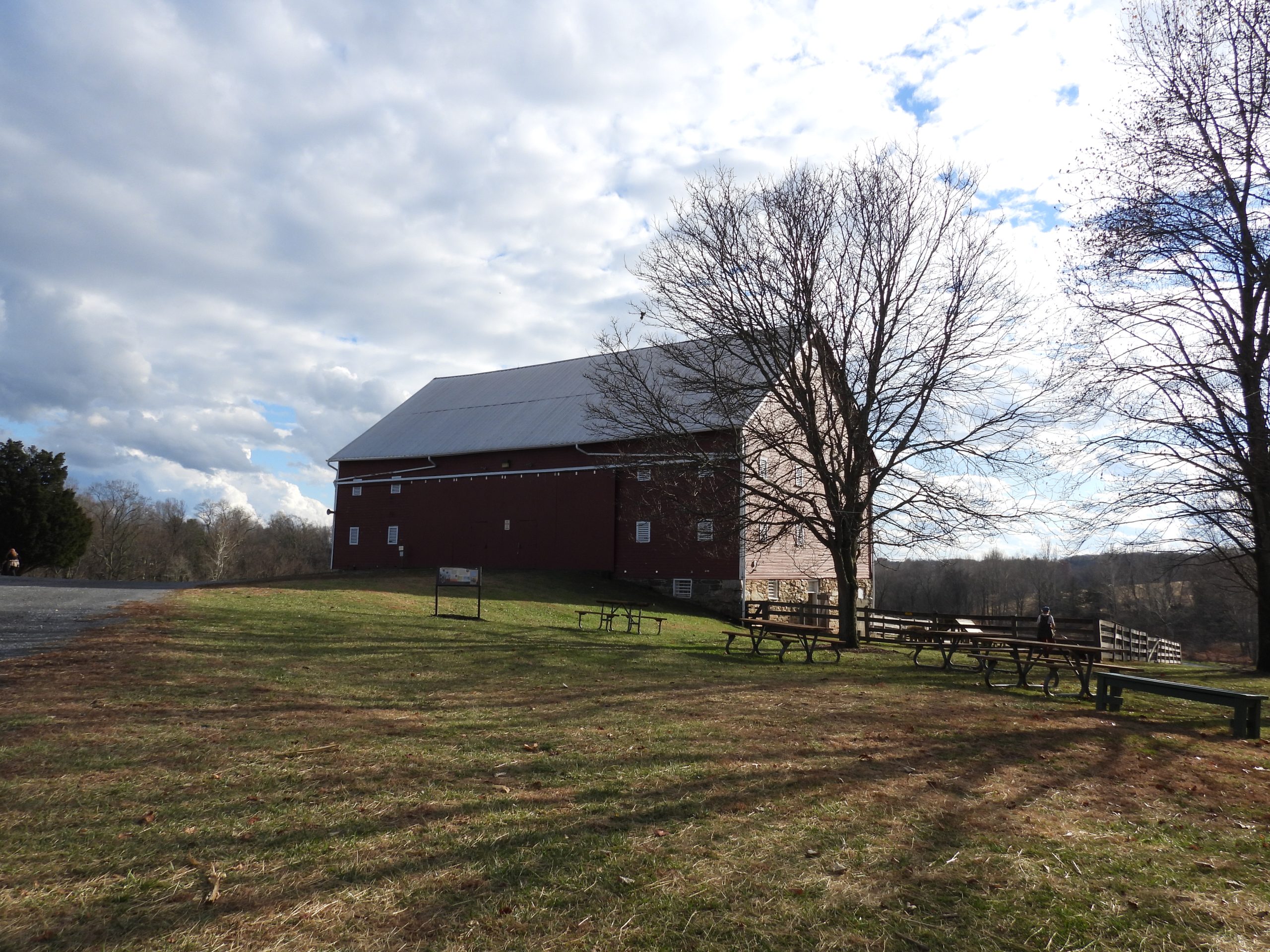
Bundle up and bring the whole family out for some fresh air and festive fun at Winter Snowcials! Enjoy the crisp winter atmosphere in the coziness of the barn with a steaming cup of hot cocoa or cider, a tasty donut, and plenty of smiles to go around as you warm up by the fire pits. Kids can take part in winter-themed crafts and activities, and little ones can gather for a fun farm-themed story. It’s the perfect way to relax, connect with members of the community, and celebrate the winter season together. You might even learn a bit about the rich history of our historic Farm Park. It’s a great way to connect and celebrate community in the chillness of winter.
Please note that this event will take place outside, so be sure to dress for the weather. Please check our website and Facebook page for updates in case conditions get too icy.

Black Hill Discovery Center, 20926 Lake Ridge Drive, Boyds, Maryland 20841
Birding for Beginners: Saturday, January 3 | 9 am to 12 pm | Ages 16+ | $12
Van Trips – Jug Bay and Merkle NRMA: Sunday, January 11 | 9 am to 5 pm | Ages 18+ | $50
Birding – Waterfowl Hike: Wednesday, January 14 | 10:30 am to 12 pm | Ages 18+ | $7
Hike Club – Birder Edition: Saturday, January 24 | 9 to 11 am | All Ages | $2

For the Love of Birds Art Exhibit:
Fridays through Sundays starting January 10 until March 1 | 10 am to 5 pm | All Ages | FREE
Artist Caroline Blizzard combines her love of birds and nature with her impressive artistic skills and brings a moving exhibit on the effects of climate change on birds around us. To get a deeper understanding of the exhibit, consider watching this short trailer.
- Opening Reception: Friday, January 9 | 5 to 7 pm | All Ages | FREE
- Meet the Artist: Saturday, January 10 | 10 to 11 am | All Ages | FREE
- Birding with the Artist: Saturday, January 10 | 11 am to 12 pm | Ages 12+ | FREE
- Waterfowl Viewing and Bird Blind: Tuesday, January 20 and Thursday, February 12 | 3 to 5 pm | Ages 18+ | $12
*Video and photo credits to the artist’s website.

Introduction to Plant Propagation
Saturday, January 31, 2026
10:30AM – 12:00PM
Location:
Brookside Gardens
1800 Glenallan Avenue
Wheaton, MD 20902
Fee: $45.00
Age Range: 18+
Nate Roehrich, Brookside Gardens staff
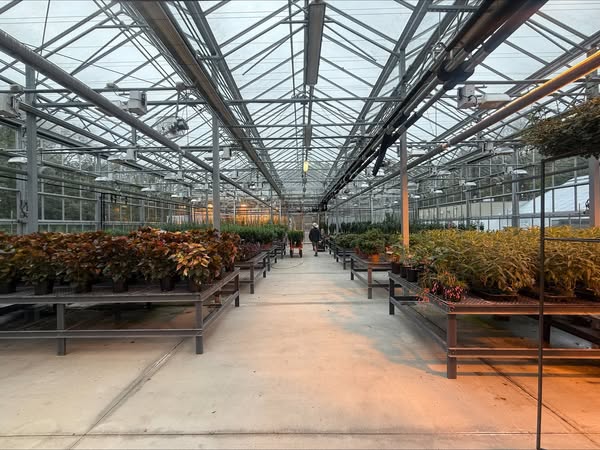
Learn about plant propagation in our state-of-the-art greenhouse facilities. You’ll discover how to produce your own houseplants inexpensively and easily from start to finish. We’ll review the best techniques and plants to propagate from cuttings. Participants will get to take a few potted cuttings to grow at home.
Address and parking logistics will be sent after registration.
Everything You Wanted to Know About Pruning
Saturday, February 7, 2026
10:00AM – 12:30PM
Location:
Brookside Gardens
1800 Glenallan Avenue
Wheaton, MD 20902
Fee: $25.00
Age Range: 18+
Project FeederWatch
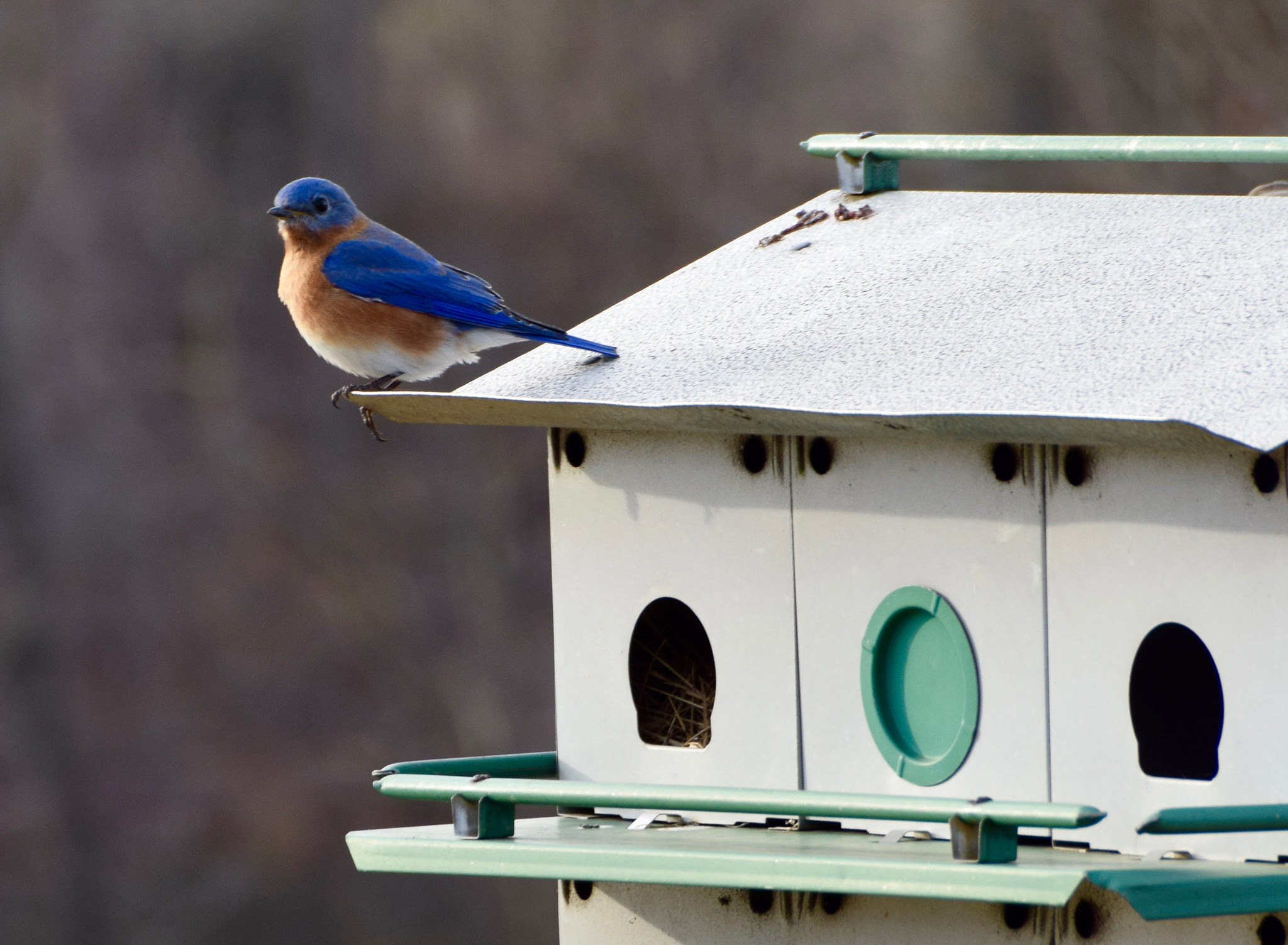
Project FeederWatch: Thursdays and Fridays until February 27 | 11 am to 12 pm | Ages 5+ | FREE | Locust Grove Nature Center, 7777 Democracy Boulevard, Bethesda, Maryland 20817
Greenscapes Symposium February 2026

2026 Speaker Lineup Announced
Join us for a fascinating day of presentations offering practical strategies to design sustainable and resilient landscapes. Don’t miss out on the Early Bird fee of $50 that ends Friday, January 9. To learn more and register for this live Zoom event, click on this link: www.brooksidegreen.org.
2026 GreenScapes Symposium Overview
Integrating Ecology, Beauty & Adaptability In Design
Thriving landscapes that support wildlife, enhance biodiversity, and respond to environmental challenges require thoughtful design and tested practices. This engaging symposium brings together experts in horticulture, ecology, and design to share solutions that work—from small gardens to large public landscapes.
Learn how native keystone plants and layered “soft landings” can support pollinators from canopy to ground, and explore regenerative approaches that blend beauty, function, and biodiversity in every setting. Through illustrative real-world case studies, you’ll discover how dynamic, naturalistic plantings can adapt and thrive, and how climate-resilient and diverse plant palettes can strengthen ecosystems in both urban and suburban environments.
Attendees will gain practical tools for plant selection, soil preparation, and habitat design, along with proven strategies for creating landscapes that actively support wildlife and the environment. Whether you’re tending a home garden or shaping public spaces, this symposium provides the knowledge and solutions to design with purpose—and with the future in mind.
About GreenScapes
The GreenScapes Symposium is an annual program planned by Brookside Gardens since 2004. The Symposium explores the latest topics related to landscape sustainability and the environment. This event appeals to a broad audience ranging from landscape architects and designers to master gardeners, horticulturists, and urban planners.

Meadowside Nature Center January Events
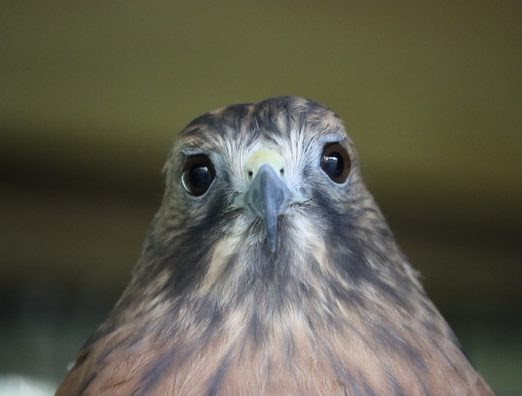
Trivia Night: Friday, January 9 | 7 to 8 pm | Ages 21+ | $15
Raptor Identification: Series of 4 classes starting Wednesday, January 14 | 7 to 8 pm | Ages 16+ | $40
Kids’ Book Club and Watch Party: Saturday, January 24 | 4 to 6 pm | Ages 7 to 10 | $10
Hawks & Hot Chocolate: Monday, January 26 | 11 to 11:30 am | All Ages | $3
Seneca Creek State Park January Programs
Seneca Creek State Park
11950 Clopper Road
Gaithersburg, MD 20878
Here’s a link to Seneca Creek State Park’s January Programs. Featured events for January include First Day Hikes 2026, Aquatic Mammals Hike, Try a New Trail Hike, Frost Bite Hikes, Winter Waterfowl at Gunners Lake, School’s Out Hike, Sugar Maple Tapping Demonstration, and more! These events are provided by The Friends of Seneca Creek State Park.
About Friends Of Seneca Creek State Park (FOSCSP)
The only State Park entirely in Montgomery County, featuring Hiking, Disc Golf, Boating, Fishing, Peony Display Garden, Recycled Tire Playground, and Winter Lights display from Nov. 27th through December 31st. Entrance is free from November through March.
The Friends of Seneca Creek State Park collect dues and donations that are used to support the visitor experience in the park. We are a 501(c)(3) designated charity, so all donations, including dues, are tax deductible as allowed by law.
Montgomery College

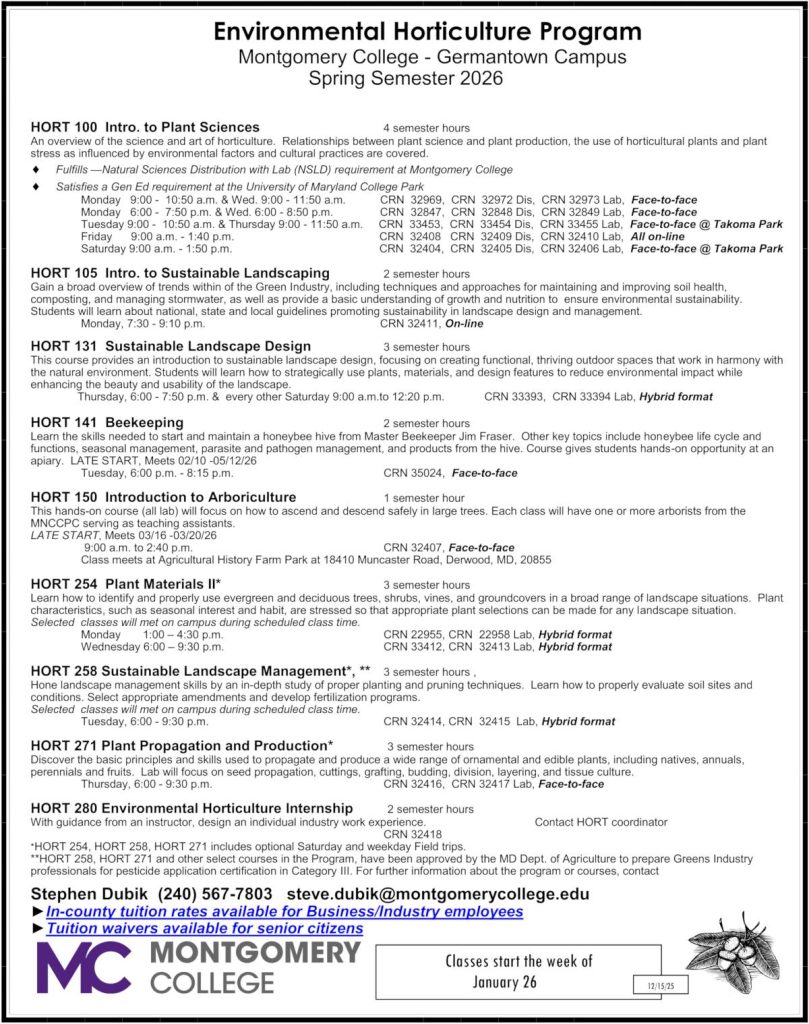
Environmental Horticulture Program – Spring 2026
Here is the Montgomery College class schedule for the Environmental Horticulture Program, Spring Semester 2026. Classes start January 26, 2026. See https://www.montgomerycollege.edu for information on registration and the full academic calendar.
Lifelong Learning Home and Garden Classes – Spring 2026
See Schedule of Spring Classes below:
| Course | Course Title | Start Date | End Date | Day(s) | Time | Location |
| LLP152 | Annuals and Perennials for Mid-Atlantic Landscape | 4/14/2026 | 4/21/2026 | T | 6:30-9:00 p.m. | RC TBD |
| LLP043 | Easy Care Houseplants | 1/26/2026 | 2/2/2026 | M | 6:30-9:00 p.m. | SR |
| LLP273 | Garden Design | 2/17/2026 | 3/10/2026 | T | 6:30-9:00 p.m. | RC TBD |
| LLP262 | Getting Started With Chicken Keeping and Eggs | 4/13/2026 | 5/4/2026 | M | 6:00-8:00 p.m. | RC TBD |
| LLI022 | Orchids: How To Grow And Bloom | 1/13/2026 | 1/13/2026 | T | 6:30-9:30 p.m. | SR |
Let’s Talk Gardens
Thursdays 12 to 1 p.m.
Smithsonian Gardens
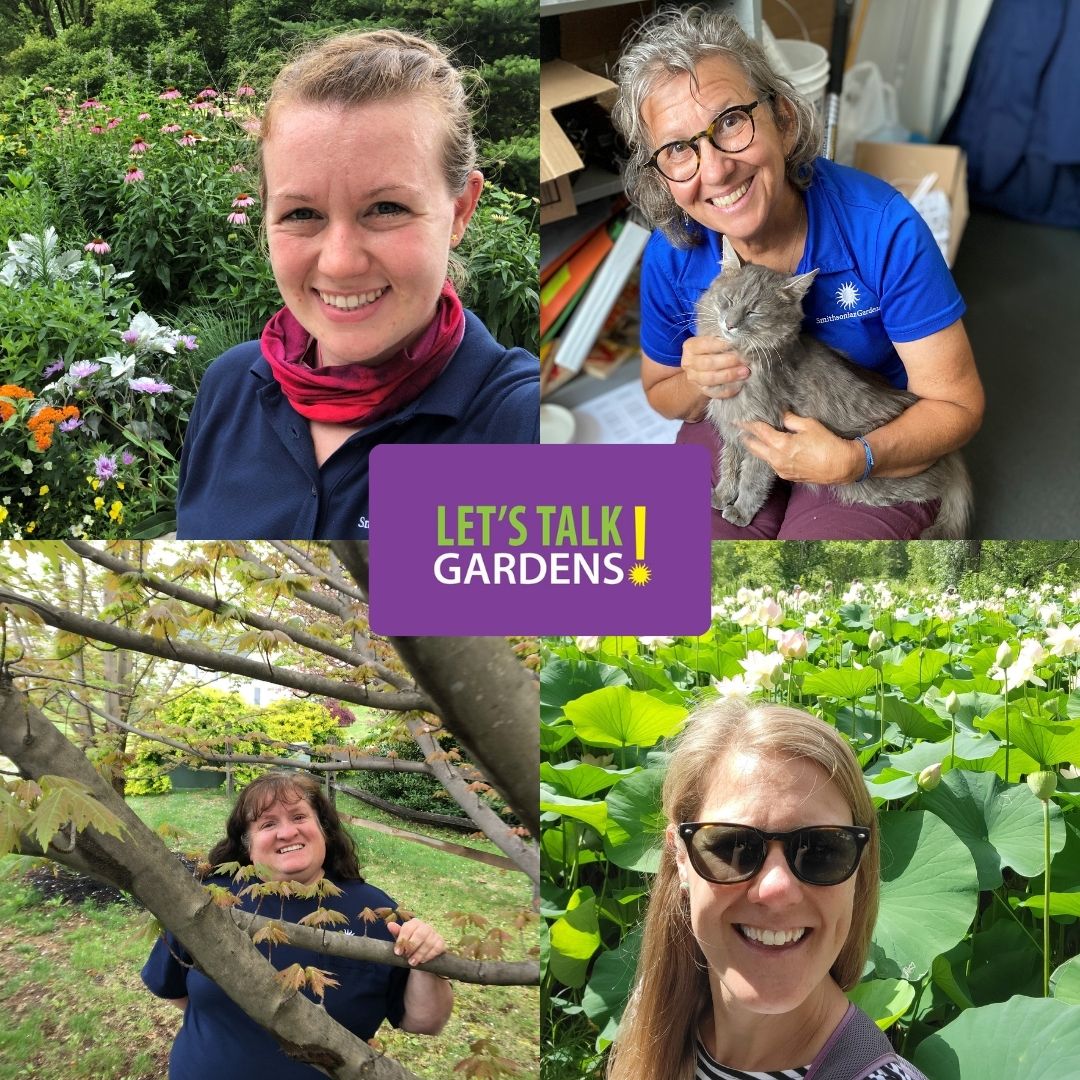
“Grow” your gardening know-how! Our free online gardening program, Let’s Talk Gardens, covers a wide range of topics presented by our own professional staff, as well as guest speakers.
And we encourage you to watch videos in our Let’s Talk Gardens Video Library.