Hello Friends, Neighbors, Fellow Gardeners,
Seasons Greetings! Here are some garden tips, educational opportunities, and videos for December. Some upcoming events/resources include GreenScapes Symposium 2027, Montgomery Parks – Events: Agricultural History Farm Park: Christmas on the Farm, Hiking Histories, Brookside Gardens: Festive Fresh Wreaths; Meadowside Nature Center: Candle Making, Walk Up Bird Walk, Raptor Caretaker Chats; Seneca Creek State Park November Programs, Montgomery College: Lifelong Learning Home and Garden Classes – Spring 2027, and more! A lot of gardening events are announced on Facebook as well as on our website. These events will be hosted as online or in-person events.
Planning Tips
- It is harvest time and also a good time to start taking stock of what worked well for this season and what didn’t.
- As beds empty, make changes to shape and size of beds.
- Collect plant seeds for next year’s planting and for trading.
- Gather seeds and carefully label them. Store in dry location.
- Take garden photos and make notes in your garden journal.
- Check your local garden center for end-of-summer bargains.
- Attend a local garden club meeting or plant exchange.
- Peruse fall bulb catalogs.
- Plan where fall bulbs to go.
- Plan landscape design projects.
- Design new beds and gardens.
- Clean, sharpen, and store your garden tools.
- Clean out pots, store non-frost proof containers in garage or basement.
- Repair your shed and repair/paint your fences.
- Check out gardening books from your local library to read.
- Pick up new gardening books and magazines for inspiration.
- Volunteer at a local public or historic garden.
- Plan for 2027 with these Free resources: Landscaping with Native Plants by the Maryland Native Plant Society, Plant Invaders of Mid-Atlantic Natural Areas by the National Park Service, Master Gardeners of Northern Virginia Reading Room. Visit our Online Gardening Resources page for more helpful online resources.
- Buy a good gardening book or magazine subscription for a gift for your favorite gardener.
- Have a question about gardening? Check the University of Maryland Extension’s New Maryland Grows blog for garden tips.
Get the Biggest Bang for Your Sweat with Smart Garden Practices Recap
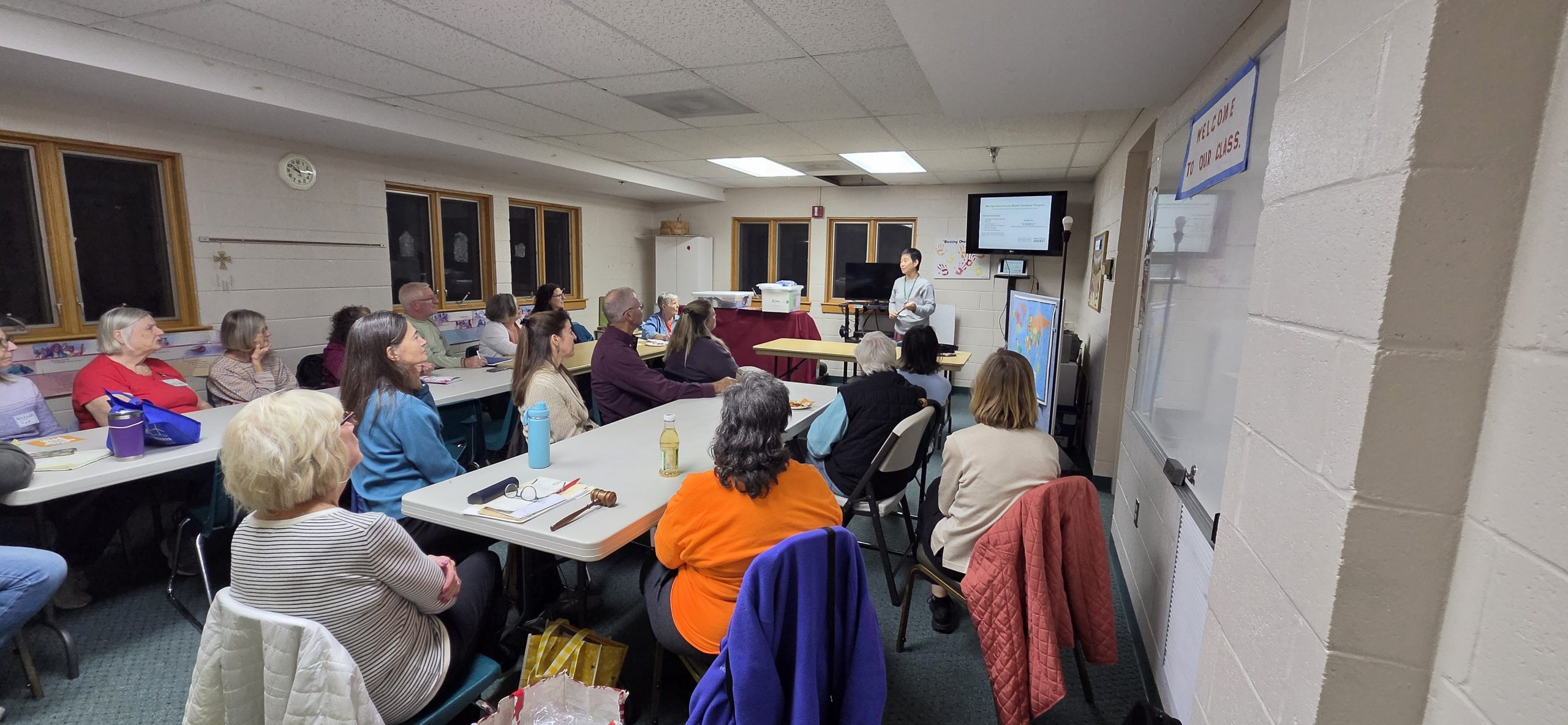
On Monday, October 26, 2026, guest speaker, Meipo Martin, Master Gardener gave us a special presentation on an “Get the Biggest Bang for Your Sweat with Smart Garden Practices”.
The presentation was very informative and Mill Creek Towne Garden Club members and guests learned a lot of great techniques on how to garden more effectively. She taught us better ways to improve your soil, suppress weed, help your plants grow stronger and healthier with less water, less garden products and, most importantly, less work!
See photos and get the handout for this event:
Join Mill Creek Towne Garden Club!
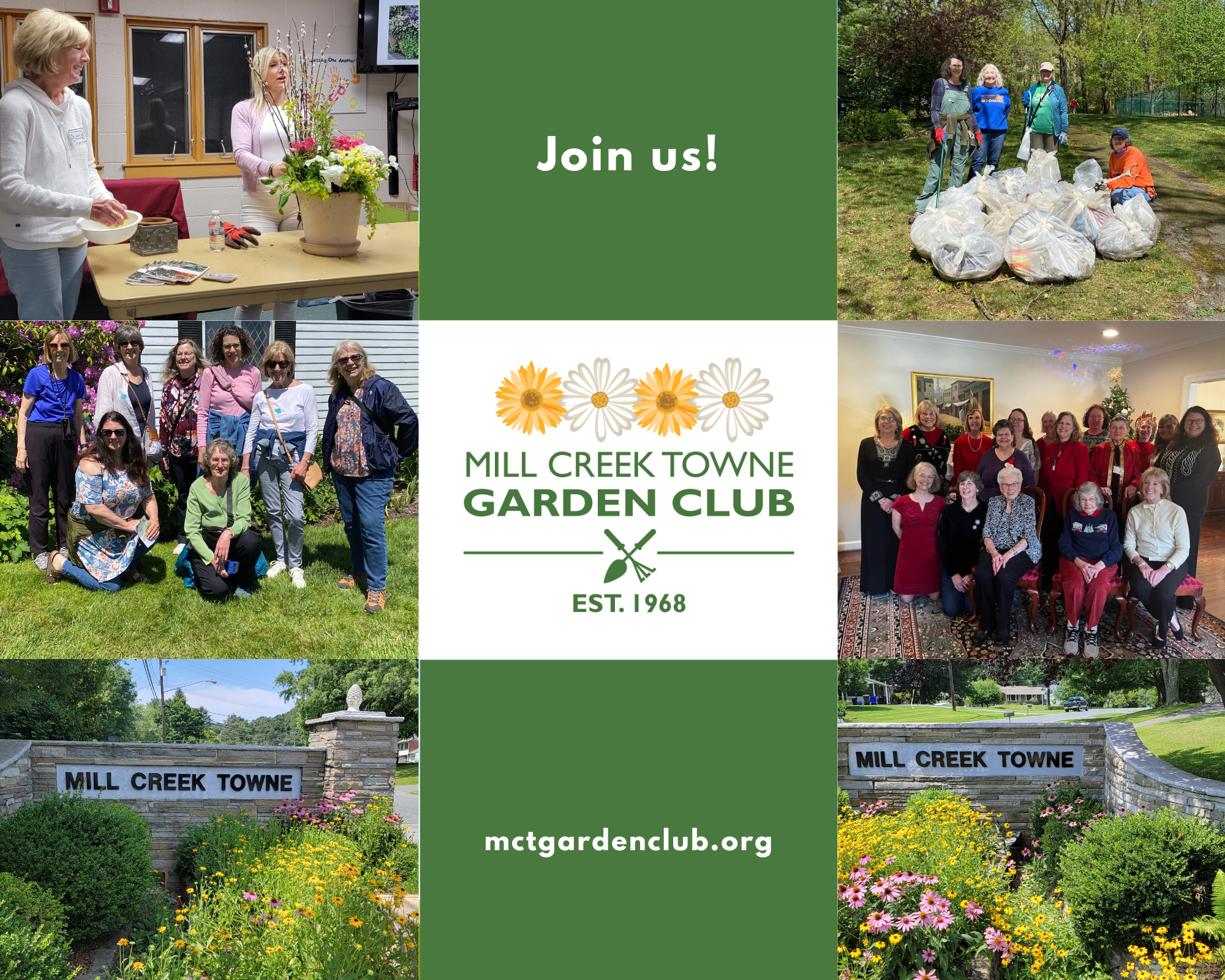
- Are you interested in gardening? Perhaps you’re a beginner, looking to learn more, or an experienced gardener interested in sharing your experiences and learning from others?
- Are you interested in making your home and community a more beautiful place to live?
- Are you interested in getting more involved in your community and getting to know your neighbors better?
Visit Our MCT Garden Club Website for Gardening Resources

- Local Gardening Resources: Looking for a Master Gardener as a guest speaker, need gardening advice, or want to learn about resources in or near Mill Creek Towne? Visit our Resources page for details.
- MCTGC Blog: Check our monthly blog for garden tips and local/online garden-related events.
- Gardening Books: Looking for a gift for your favorite gardener? Visit our Gardening Books Resources page for holiday gift ideas.
- Local Gardens: Visit our Local Gardens page to learn about local gardens in our area.
- Montgomery County Farmers’ Markets: Support our local farmers. Check this page to learn about local farmers markets in our area or join a CSA and get fresh local produce year-round!
- Online Gardening Resources: Looking for gardening apps or online resources to help with your gardening? Check out our Online Gardening Resources page for some apps for your smartphone and online gardening resources focused on the DMV area.
- Recipes: Looking for a recipe for your home-grown veggies and fruit? Check our Recipes page for ideas.

Maryland Grows Blog
In weekly posts on MD HGIC’s blog, learn about pollinator conservation, growing native plants and food, and how to solve plant pest and disease problems.
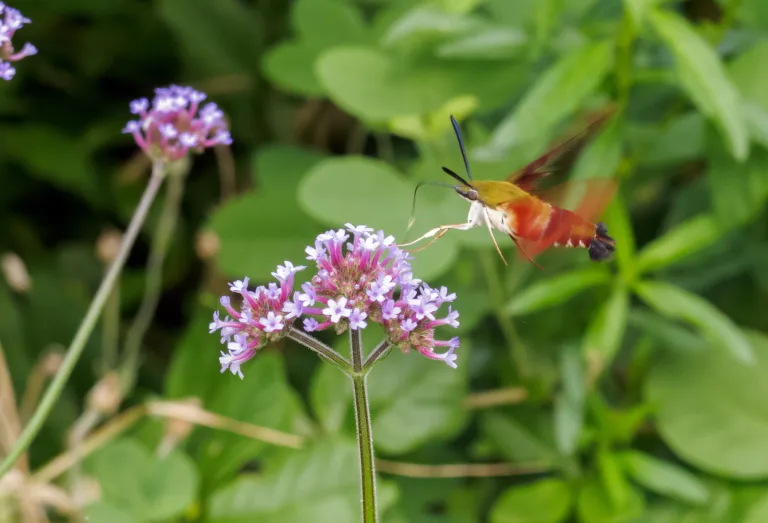
Featured Article
Natives vs. non-natives – good or bad for pollinators?
Other Timely Topics
- Plant trees and shrubs and herbaceous perennials before the ground freezes.
- Bring houseplants back indoors before nighttime temperatures dip below 50F.
- Use fallen leaves for mulch or compost.
- Leave old flower stems standing for nesting pollinators.
- Plant spring-flowering bulbs like deer-resistant daffodils and Alliums.
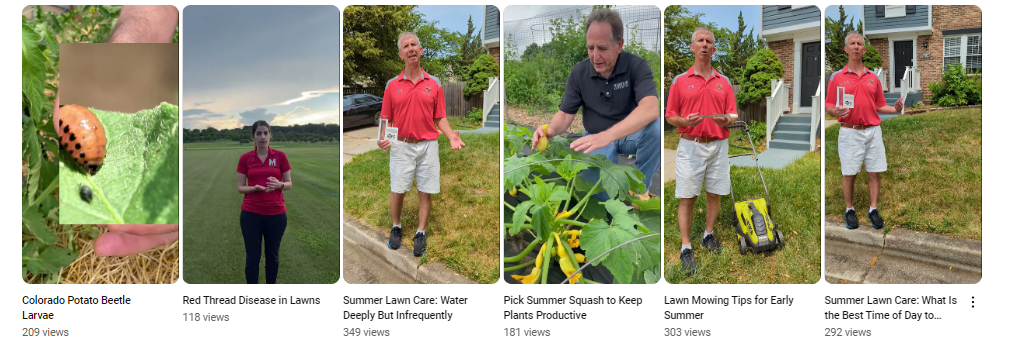
MD HGIC Video Tips
Our Extension experts are sharing one-minute video tips to help you in the garden this summer. We’re talking about pest management in the vegetable garden, tree and lawn diseases, native plants, mowing lawns, and more!
For more information, please visit:
 |
|
What can Master Gardeners do for you?
- Help you select and care for annual and perennial plants, shrubs and trees.
- Determine if you need to test your soil.
- Provide you with information on lawn care.
- Identify weeds, beneficial and noxious insects, and plant diseases and remedies.
- Teach you how to use pesticides, mulch and compost.
- Guide you in pruning trees and shrubs.
- Provide you with options for managing wildlife.
- Provide you with gardening resources.
- Help you submit a plant sample for diagnosis
Plant Clinics are held at several sites in the county on a weekly basis and at special events such as garden festivals and the county fair. Regularly scheduled Plant Clinics are located at public libraries and farmers’ markets throughout the county as well as at the Audubon Naturalist Society in Chevy Chase. There are also clinics three days per week at Brookside Gardens. The busiest season is April through September, but some clinics are open year-round. Bring your plant samples and questions to one of these locations in Montgomery County, MD (see link below to find a location near you):
https://extension.umd.edu/mg/locations/plant-clinics
UMD Home and Garden Information Center: Ask a Master Gardener
Do you have a gardening question? Our Certified Professional Horticulturists, faculty, and Master Gardener Volunteers are ready to answer – year-round!
See below to ask a master gardener a question on the UMD Extension website:
Maryland’s Best Native Plant Program
The Maryland Department of Agriculture (MDA) in partnership with University of Maryland Extension, the Department of Natural Resources, and the Maryland Native Plant Society is proud to introduce the MDA’s Maryland’s Best Native Plant Program.
This program aims to bring education, awareness, and recognition to consumers and producers about the importance of native plants by:
- creating a Commercial Maryland Native Plant List to help nurseries and consumers choose the most attractive and best plants for the environment
- recognizing retailers, wholesalers, and growers who are selling native plants via a tiered (bronze, silver, gold), voluntary certification program, and helping consumers know where to buy native plants
- providing marketing materials- including a MD Native Plant logo- to help consumers identify what’s native to Maryland
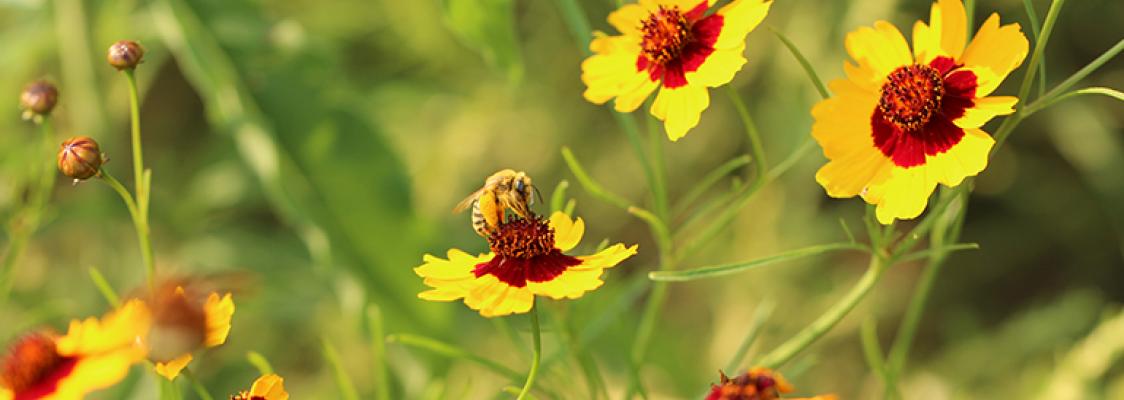
Check out the revised list of Mid-Atlantic native plants for pollinators and beneficial insects, from the Xerces Society.
Flowers and Groundcovers
- Continue to plant hardy bulbs for spring flowering.
- After blooming, cut mums back to 6 inches above ground.
- Cut back perennials that have turned to mush.
- Force spring bulbs for indoor blooms this January by potting them up, watering thoroughly, and placing them in your vegetable crisper for about 10 weeks.
- Sow wildflower seeds, such as California Poppies, for next spring.
- Start shopping for spring bulbs.
- Continue removing diseased leaves. Put diseased leaves, pesticide-laden grass clippings and weed seeds in your trash, not your compost bin.
- Leave seedheads on Black-eyed Susans, Echinacea, Goldenrod, Sunflowers, and Thistles for the birds to enjoy over winter.
- Continue to divide and transplant perennials.
- Preserve dry flowers for display in the fall.
- Start collecting plant seeds for next year and for trading.
- Check pots and containers daily for water needs.
- Look for evidence of pest or fungal disease throughout your garden.
- Weed and weed some more.
- Rake up weeds and their seedlings, especially look for fast-growing vines such as honeysuckle, autumn clematis, bittersweet, wild grape, Virginia creeper, and poison ivy.
- Pests to watch for: Aphids, spidermites, whiteflies, snails, slugs, deer, voles
- Diseases to watch for: bacterial diseases, Blackspot on roses, Fungal leaf spot, powdery mildew, rust
- See UMD’s HGIC Garden Tips for more details.
- For a list of native plant resources, visit: https://extension.umd.edu/hgic/topics/native-plant-resources

5 Million Trees Initiative
Maryland’s goal is to plant and maintain 5 million native trees by 2031. There are various ways you can get involved – plant trees and register them — or volunteer! A number of tree-planting assistance programs are available at the municipal, county, and state levels.

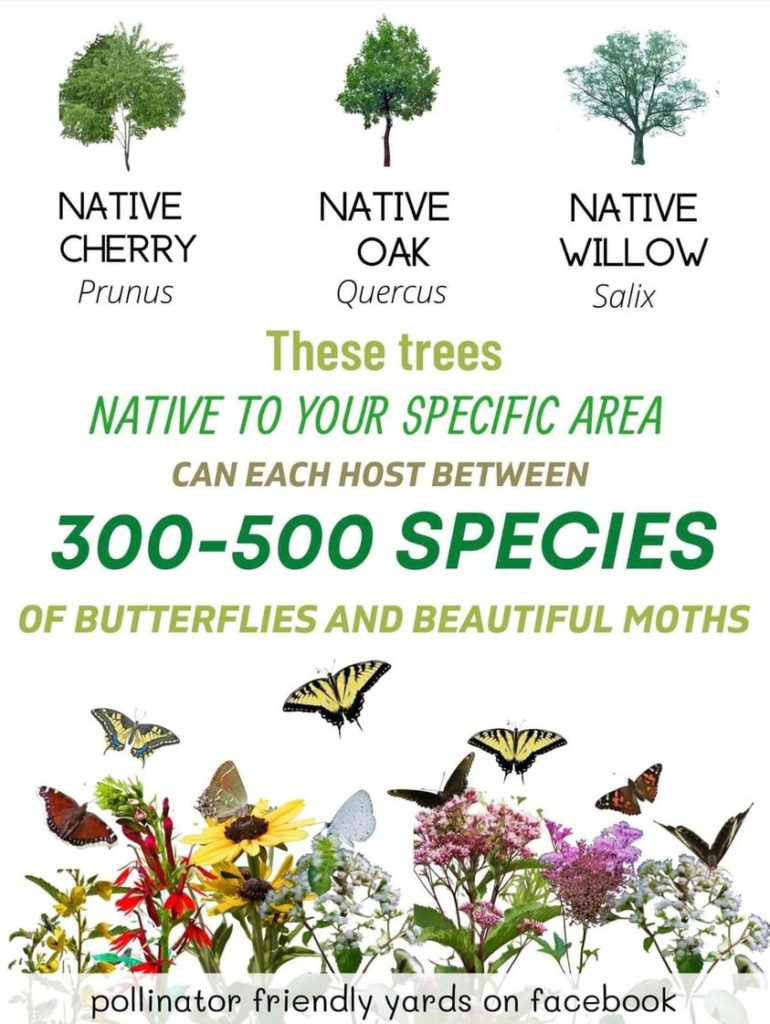
THIS is the SUPERPOWER of YOUR KEYSTONE NATIVE PLANTS.
- No exotic plant could ever achieve this.
- Want butterflies? Feed the caterpillars with keystone plants!
- Exotic plants will never support as many different species of caterpillars as the Keystone Natives can.
- Find your keystone native plants here by zip code.
If your zip code doesn’t give you enough information try zip codes of the nearest larger town or city. LINK: https://www.nwf.org/NativePlantFinder/
Trees and Shrubs
- Trees and shrubs can be planted until the ground freezes.
- No more fertilizing for the year.
- Prune evergreens to get in shape for fall/winter.
- If your conifers start shedding their needles or your spring bulb foliage starts peeking out of the ground, don’t worry. This is normal for our autumn cycle.
- Take cuttings from azaleas, boxwoods, and camellias to start new plants.
- Thin out small trees and cut off any suckering branches growing from the bottom root ball.
- Plant evergreens for winter interest.
- Prune foundation shrubs and trees to be no closer than 1 foot from the house.
- Contact a certified arborist to have your trees’ health inspected.
- Get a soil test.
- Prune long shoots on shrubs to keep plant neat looking.
- Add mulch: Remove old mulch, then add 2″ – 3″ shredded pine or pine needles, keeping 3″ away from trunk.
- Clean your gutters.
- Check often and water newly planted trees if they don’t pass the finger test (stick your finger deep into soil – dry? Water!)
- Prune broken, dead, diseased, or damaged branches.
- Keep an eye out for bark damage from rabbits or deer.
- Check for vole problems and set out traps.
- Spray broadleaf evergreens with anti-desiccant to prevent dehydration.
- Use fallen leaves for mulch or compost.
- Look out for any Poison Ivy vines, which will turn crimson in the fall and be easy to distinguish from other vines.
- Weed – especially look for fast-growing vines such as honeysuckle, autumn clematis, bittersweet, wild grape, Virginia creeper, and poison ivy. Remove Ivy, Pachysandra, and other vine-like groundcover from under shrubs.
- Mulch or compost healthy leaves.
- Continue to remove fallen, diseased leaves.
- Put diseased leaves, pesticide-laden grass clippings and weed seeds in your trash — not your compost pile.
- Turn your compost pile weekly and don’t let it dry out. Work compost into your planting beds.
- Apply scale and dormant oil treatment before dormancy breaks to decrease pest infestations.
- Remove dead and dying trees.
- Pests to watch for: aphids, azalea lacebug, bagworms, caterpillars, deer, gypsy moths, Japanese beetles, leafminers, sawfly, scale, spidermites, voles, and webworms.
- Diseases to watch for: Apple scab, Cedar-apple, hawthorn or quince rust, Verticillium wilt, Oak leaf blister.
- For more tips, see UMD’s HGIC Garden Tips for more details.
Herbs, Veggies, and Fruit
- Keep an eye out for the first frost date. In Zone 6, it is expected between September 30 and October 30. In Zone 7, it is predicted to be between October 15 and November 15.
- Cover carrots, parsnips, and turnips with straw to extend harvest.
- Protect fig trees from freezing by piling up leaves around them.
- Harvest most fruit before frost.
- Harvest sweet potatoes.
- Set up a cold frame, then plant lettuces, radishes, and carrots from seed.
- Dig up and store potatoes in a cool spot.
- This is a good time to have your vegetable garden and landscape soils tested.
- Watch your pumpkins/squash. Harvest them when their rinds are dull and hard.
- Plant cover crops in vegetable gardens and annual beds (for example, rye, clover, hairy vetch, and winter peas).
- Pot up rosemary and chives for over-wintering indoors.
- Remove rotting fruits from fruit trees and compost them.
- Harvest leaves of herbs used in cooking (rosemary, basil, sage) in early morning, for best flavor.
- Plant cool-season vegetables (beets, Brussels sprouts, carrots, cauliflower, Chinese cabbage, kale, kohlrabi, lettuce, radish, spinach, turnips).
- Harvest your herbs often and keep them trimmed back to encourage leafy growth. Dry them indoors if you can’t use them right away.
- Order garlic, onions, and shallots for fall planting.
- Deadhead garlic chives before they go to seed. Makes a nice cut-flower.
- Remove finished plants.
- Apply dormant oil spray to fruit trees.
- Pests to watch for: Asparagus beetle, aphids, birds, cabbage worms, corn borer, corn earworm, cutworms, rabbits, deer, and tomato hornworm.
- Diseases to watch for: Apple scab, Cedar-apple rust. fungal, bacterial, and viral diseases.
- Here are some more UMD’s HGIC Garden Tips.
Lawns
- Fertilize your lawn and re-seed if needed.
- Fertilize tall and fine fescues and bluegrass with 1/2 lb. Nitrogen per 1000 square feest.
- Mow grass at 3 inches and leave the clippings on the lawn.
- Calibrate your spreader before fertilizing!
- Do soil preparation – add lime, compost, etc. as needed.
- Clean yard of leaves and other debris.
- Mulch bare areas.
- Apply grub control to your lawn.
- Sharpen your lawnmower blade.
- Check and tune-up power equipment (mowers and trimmers).
- Turn your compost pile.
- Diseases to watch for: brown patch, and red thread
- Pests to watch for: Grubs
- See UMD’s HGIC Garden Tips for more details.
Indoors/Houseplants
- Force the buds on Christmas cactus by placing in a cool (55-60 degree) room for 13 hours of darkness.
- Mid-month, pot amaryllis for winter holiday bloom.
- Do not place live wreaths or greenery in-between your door and a glass storm door, especially if the doorway is facing south. This placement will “cook” the arrangement on a sunny day.
- Re-pot the houseplants you’ve moved outdoors for the summer.
- Reduce fertilizing of indoor plants (except cyclamen).
- Re-pot root-bound houseplants and start fertilizing them when new growth begins.
- Mist indoor plants and set up pebble trays to increase humidity.
- Deadhead flowering plants.
- Scan houseplants for insect activity.
- Maintain moisture in pots, but do not overwater!
- Give your houseplants a quarter turn every few weeks.
- Keep all houseplants out of drafts and away from heat vents.
- Keep succulents and cacti on the dry side.
- Check on your container plants daily and keep them well-watered.
- Remove old leaves, damaged stems.
- Dust your houseplants with a slightly damp cloth to prevent dust and film build-up.
- Pests to watch for: aphids, spider mites, mealybug, scale, stinkbugs, and whitefly.
- See UMD’s HGIC Garden Tips for more information.
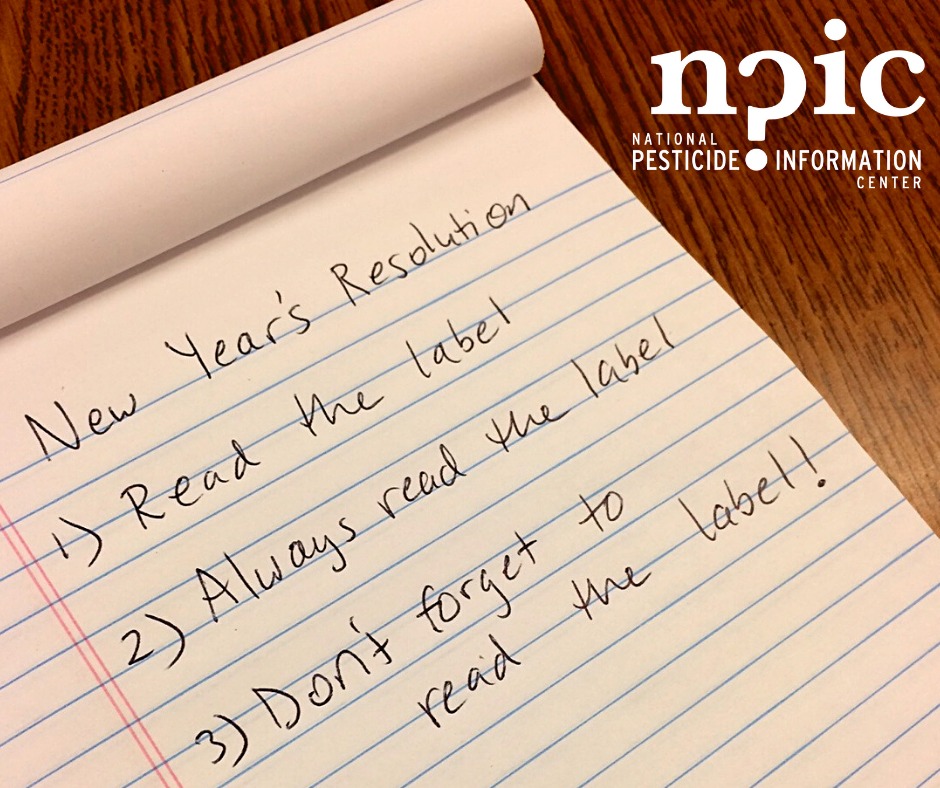
Read and follow label instructions on all pesticides and herbicides.
Start the year off by minimizing your #risk to #pesticides and always #ReadTheLabel! Learn more here: http://npic.orst.edu/health/readlabel.html
Questions about your label? Call us! 800-858-7378 M-F 8am-12pm PST
Indoor/Outdoor Insect and Wildlife Tips
- Turn off outdoor water valve and store houses.
- Keep cutworms off newly planted edible seedlings by surrounding the seedlings with a collar cut from a plastic bottle or cardboard tube.
- Caulk and seal your outside walls to prevent insect entry into your home.
- Check indoors for termites and ants.
- Put up birdhouses.
- Put suet out for birds.
- Keep bird feeders clean and filled and provide a source of water.
- Wash out birdbaths daily with diluted bleach solution.
- Switch your deer deterrent spray. Re-apply after heavy rains.
- Set out traps for mice, moles, and voles.
- Watch for: eggs, larvae, carpenter ants, flies, stink bugs, termites, rabbits, raccoons, groundhogs, deer, mice, moles, snakes, squirrels, and voles.
- For more information, see UMD’s HGIC Garden Tips.
Source: University of Maryland’s Home and Garden Information Center (HGIC) and the Washington Gardener.
See more tips from HGIC:

GreenScapes Symposium 2027
Friday, February 19
8:45 a.m. to 4:00 p.m.

Join us on Friday, February 19 for a fascinating day of presentations offering practical strategies to design sustainable and resilient landscapes. Don’t miss out on the Early Bird fee of $60 that ends Friday, January 15. To learn more and register for this live Zoom event, click on this link: www.brooksidegreen.org.
If you are interested in learning about sponsorship opportunities, please contact Jason Gedeik at jason.gedeik@montgomeryparks.
Montgomery Parks – Events

Christmas on the Farm

December 5-6, 2026
Saturday – Sunday
12:00PM – 5:00PM
Location:
Agricultural History Farm Park
18400 Muncaster Road
Derwood, MD 20855
Join us at the Friends of the Farm Park’s annual holiday event on Saturday and Sunday, December 5 and 6.
Enjoy free cookies and cider, browse our bake sale, take a hayride, explore the beautifully decorated barn, enjoy some holiday music, make a festive craft, and visit the farm animals. While you’re here, don’t forget to stop by our Tool Museum!
Parking and admission are free, so bring your family and friends and come enjoy some old-fashioned holiday fun at the Farm Park! The event takes place from 12 pm to 5 pm each day.
We can’t wait to see you there!
Hiking Histories
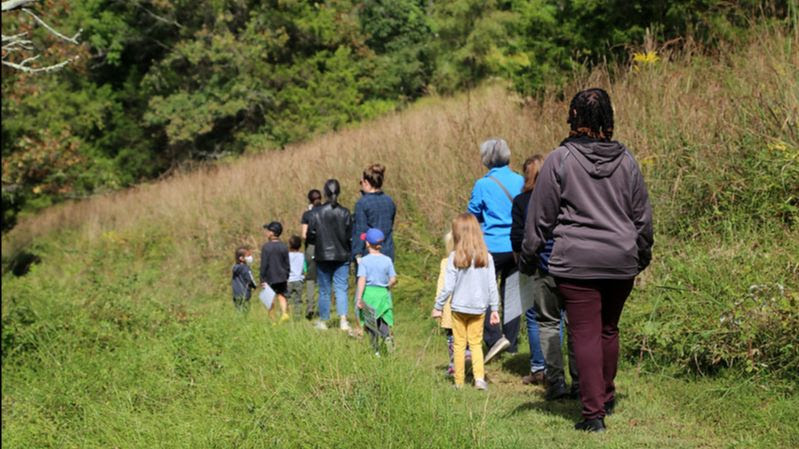
Tuesday, December 8 | 11:00AM – 2:00PM | All Ages | $12
Agricultural History Farm Park
18400 Muncaster Road
Redland Maryland 20855
Come explore the Farm Park’s unique trails while uncovering its rich past with Hiking Histories! This 2–3 hour guided hike takes participants along the Farm Park’s 5.5 miles of trails, blending outdoor exploration with engaging historical insights. As we hike through meadows, woodlands and historic landscapes, you’ll learn about the people, places and events that shaped the area – bringing local history to life in a vivid and memorable way. Perfect for curious hikers and history enthusiasts alike, Hiking Histories offers a refreshing mix of exercise, discovery and a deeper understanding of the land beneath your feet.
We’ll meet in front of the big red barn on the historic side of the Farm Park – just follow the gravel road up toward the barn and park in the grassy lot marked “Visitor Parking.” Be sure to dress for the weather, wear sturdy footwear, and bring water.

Black Hill Discovery Center
20926 Lake Ridge Drive
Boyds, Maryland 20841
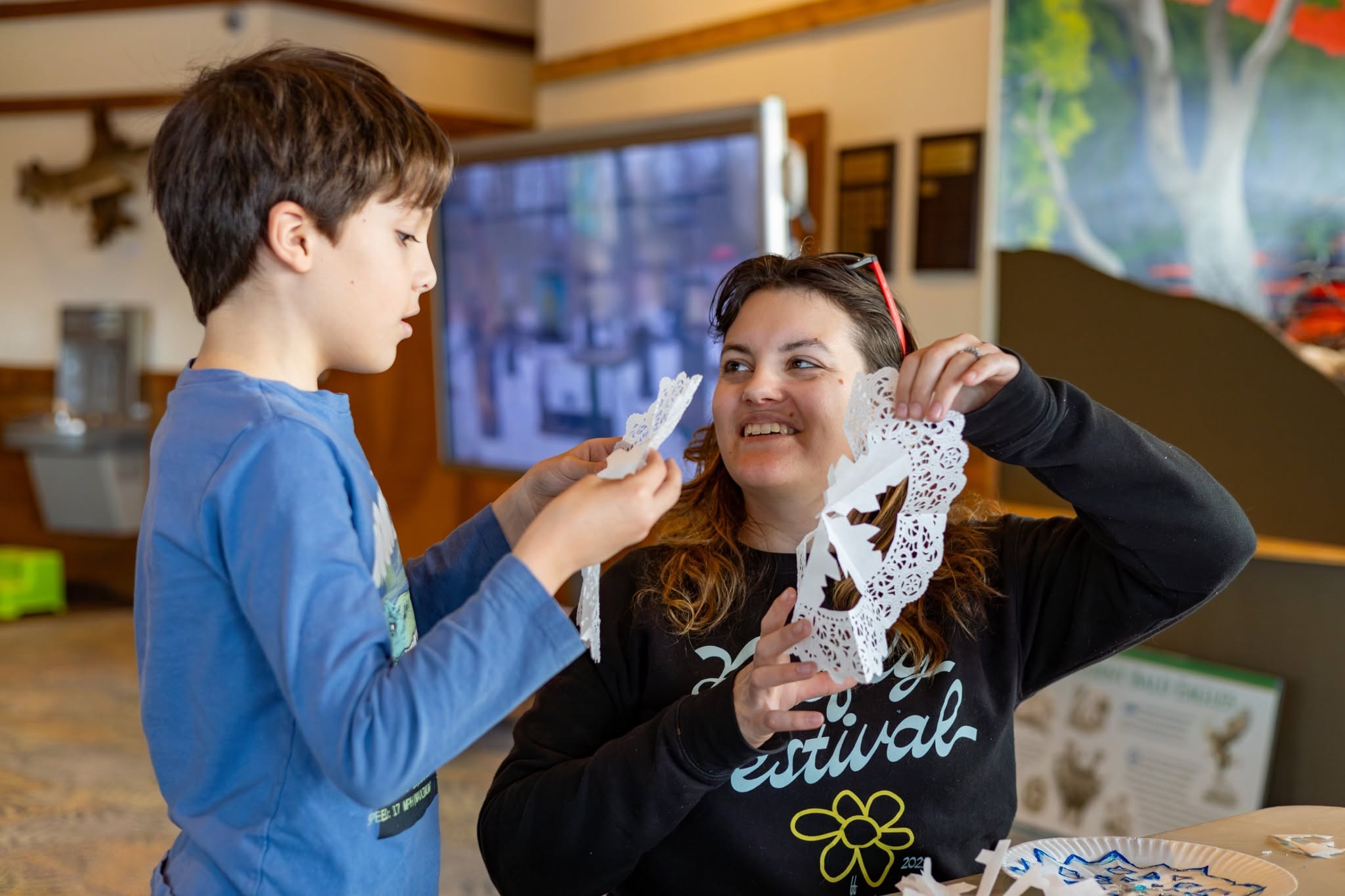
Make It & Take It: Ornaments: Saturday, December 12, 2026 |
1:30PM – 3:00PM


Festive Fresh Wreaths |12/2 | 10am – 12pm | $60 | Brookside Gardens
Brookside Gardens
1800 Glenallan Avenue
Wheaton, MD 20902
Make a long-lasting beautiful wreath using fresh greens! Learn to make an evergreen wreath for your front door, complete with a pinecone and bow accents. Fee includes all materials for one wreath.

Location:
Brookside Nature Center
1400 Glenallan Ave.
Wheaton, Maryland 20902
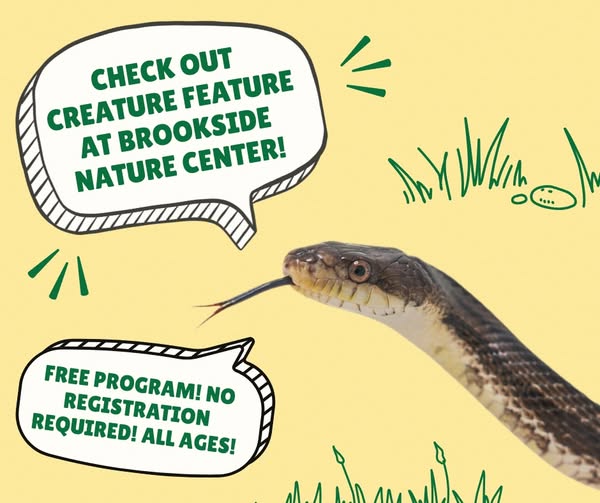
Creature Feature: Saturday, December 5 | 1:30 to 2 pm | All Ages | FREE | Brookside Nature Center

Meadowside Nature Center
5100 Meadowside Lane
Rockville, Maryland 20855
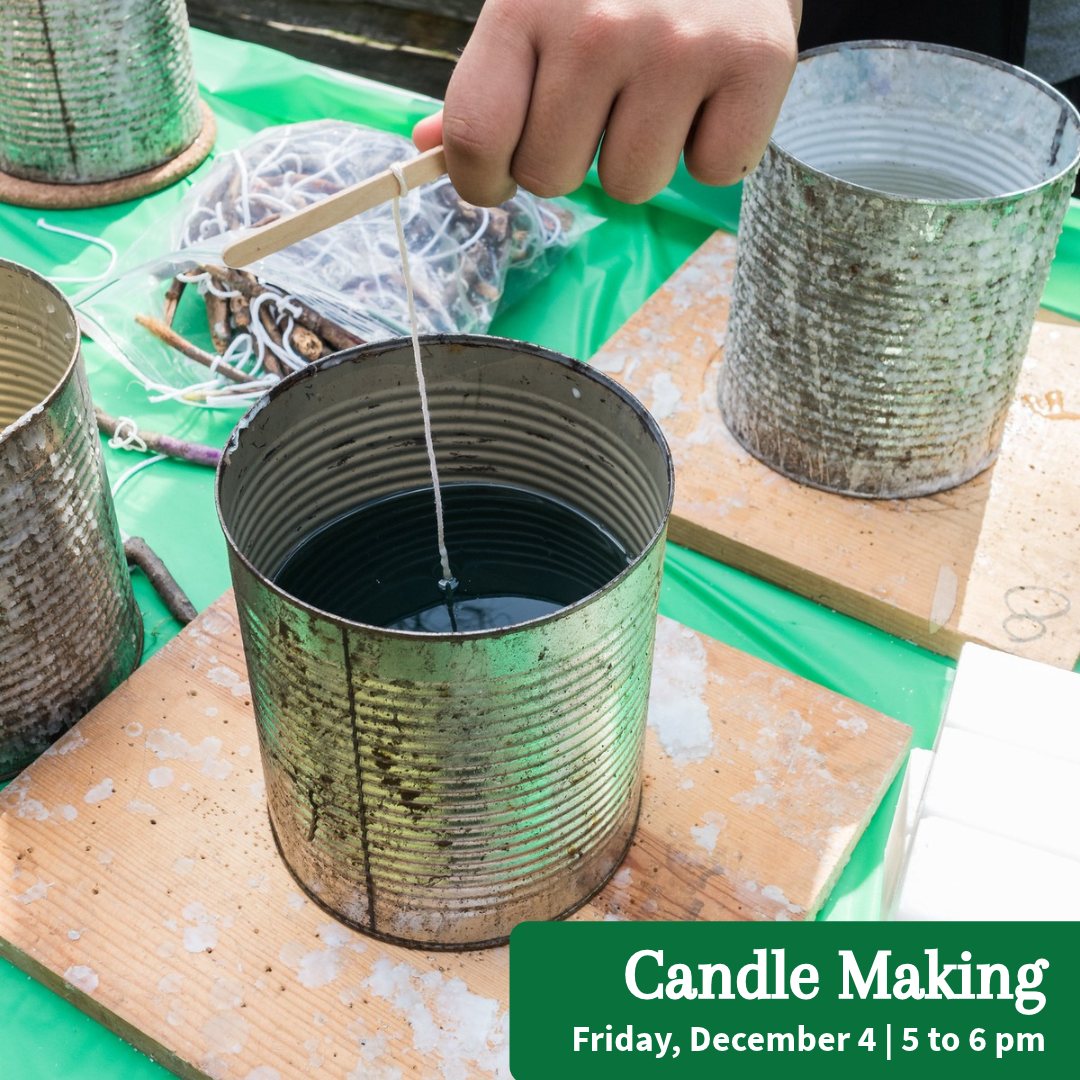
Candle Making: Friday, December 4 | 5 to 6 pm | Ages 14+ | $15 |
Walk Up Bird Walk: Saturday, December 5 | 10 to 10:30 am | Ages 8+ | FREE
Raptor Caretaker Chats: Saturday, December 5 | 1 to 1:45 pm | All Ages | FREE
Seneca Creek State Park Programs

Seneca Creek State Park
11950 Clopper Road
Gaithersburg, MD 20878
Here’s a link to Seneca Creek State Park’s December Programs. Featured events for December include Try a New Trail Hike, Intro to Birding, Mindfulness Hike, Miles for Maryland Challenge Hike, and more! These events are provided by The Friends of Seneca Creek State Park.
About Friends Of Seneca Creek State Park (FOSCSP)
The only State Park entirely in Montgomery County, featuring Hiking, Disc Golf, Boating, Fishing, Peony Display Garden, Recycled Tire Playground, and Winter Lights display from Nov. 27th through December 31st. Entrance is free from November through March.
The Friends of Seneca Creek State Park collect dues and donations that are used to support the visitor experience in the park. We are a 501(c)(3) designated charity, so all donations, including dues, are tax deductible as allowed by law.
Montgomery College

Lifelong Learning Home and Garden Classes – Fall 2026
See Schedule of Fall Classes below:
| Course # | CRN | Course Name | Start Date | End Date | Days | Times | Location |
| LLP118 | 24234 | Dazzling Floral Arrangements and Designs for Home and Office | 12/5/26 | 12/12/26 | Sat | 10:00 AM – 12:30 PM | Rockville |
Spring 2027 Environmental Horticulture
The courses described below are being offered by the Environmental Horticulture program at Montgomery College for the Fall term. In-county tuition rates are available for business/industry employees. Tuition waivers are available for senior citizens. For more information on the program of courses, contact steve.dubik@montgomerycollege.edu.
Let’s Talk Gardens
Thursdays 12 to 1 p.m.
Smithsonian Gardens
“Grow” your gardening know-how! Our free online gardening program, Let’s Talk Gardens, covers a wide range of topics presented by our own professional staff, as well as guest speakers.
And we encourage you to watch videos in our Let’s Talk Gardens Video Library.