Hello Friends, Neighbors, Fellow Gardeners,
Happy Thanksgiving! Here are some garden tips, educational opportunities, and videos for November. Some upcoming events/resources include Master Gardener Lecture: All About Figs, Backyard Composting Basics with Montgomery County Dept. of Environmental Protection – at Gaithersburg Library, Wednesday Water Webinars, Brookside Gardens – Garden of Lights, Project FeederWatch, Seniors 55+ and Fabulous Events for November, Seneca Creek State Park November Programs, Montgomery College Lifelong Learning Home and Garden Classes – Fall 2025, and more! A lot of gardening events are announced on Facebook as well as on our website. These events will be hosted as online or in-person events.
Planning Tips
- It’s harvest time and also a good time to start taking stock of what worked well for you this season and what didn’t.
- As beds empty, make changes to shape and size of beds.
- Take a break from holiday stress to enjoy your garden.
- Take advantage of plant sales.
- Collect plant seeds for next year and for trading.
- Gather seeds and carefully label them. Store in dry location.
- Clean, sharpen, and store your garden tools.
- Check out gardening books from your local library to read on vacation.
- Take garden photos and make notes in your garden journal.
- Pick up new gardening books and magazines for inspiration.
- Volunteer at a local public or historic garden.
- Plan for 2027 with these Free resources: Landscaping with Native Plants by the Maryland Native Plant Society, Plant Invaders of Mid-Atlantic Natural Areas by the National Park Service, Master Gardeners of Northern Virginia Reading Room. Visit our Online Gardening Resources page for more helpful online resources.
- Buy a good gardening book or magazine subscription for a gift for your favorite gardener.
- Have a question about gardening? Check the University of Maryland Extension’s New Maryland Grows blog for garden tips.
Happy Thanksgiving from the Mill Creek Towne Garden Club!

Join Mill Creek Towne Garden Club!
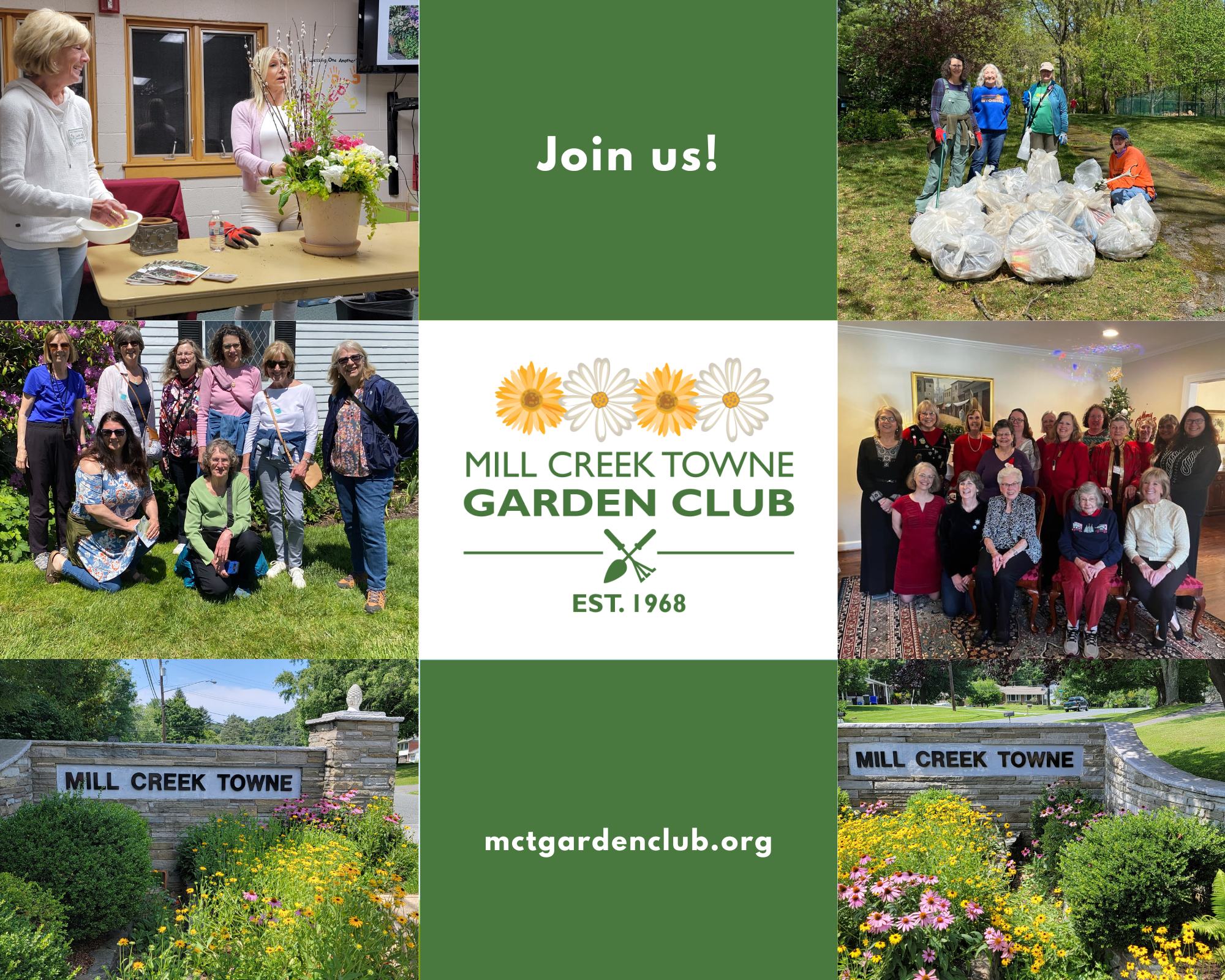
- Are you interested in gardening? Perhaps you’re a beginner, looking to learn more, or an experienced gardener interested in sharing your experiences and learning from others?
- Are you interested in making your home and community a more beautiful place to live?
- Are you interested in getting more involved in your community and getting to know your neighbors better?
Visit Our MCT Garden Club Website for Gardening Resources

- Local Gardening Resources: Looking for a Master Gardener as a guest speaker, need gardening advice, or want to learn about resources in or near Mill Creek Towne? Visit our Resources page for details.
- MCTGC Blog: Check our monthly blog for garden tips and local/online garden-related events.
- Gardening Books: Looking for a gift for your favorite gardener? Visit our Gardening Books Resources page for holiday gift ideas.
- Local Gardens: Visit our Local Gardens page to learn about local gardens in our area.
- Montgomery County Farmers’ Markets: Support our local farmers. Check this page to learn about local farmers markets in our area or join a CSA and get fresh local produce year-round!
- Online Gardening Resources: Looking for gardening apps or online resources to help with your gardening? Check out our Online Gardening Resources page for some apps for your smartphone and online gardening resources focused on the DMV area.
- Recipes: Looking for a recipe for your home-grown veggies and fruit? Check our Recipes page for ideas.

Maryland Grows Blog
In weekly posts on MD HGIC’s blog, learn about pollinator conservation, growing native plants and food, and how to solve plant pest and disease problems.
Featured Article
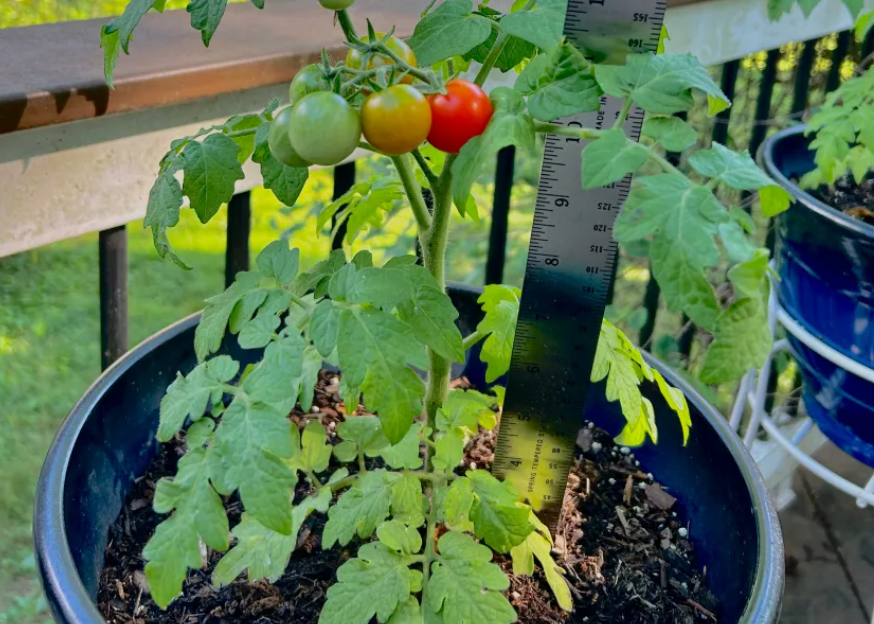
It’s too Darn Hot: Garden Schemes for Sweltering Days
Principal Agent Associate Annette Cormany shares garden tips for excessive heat.
Other Timely Topics
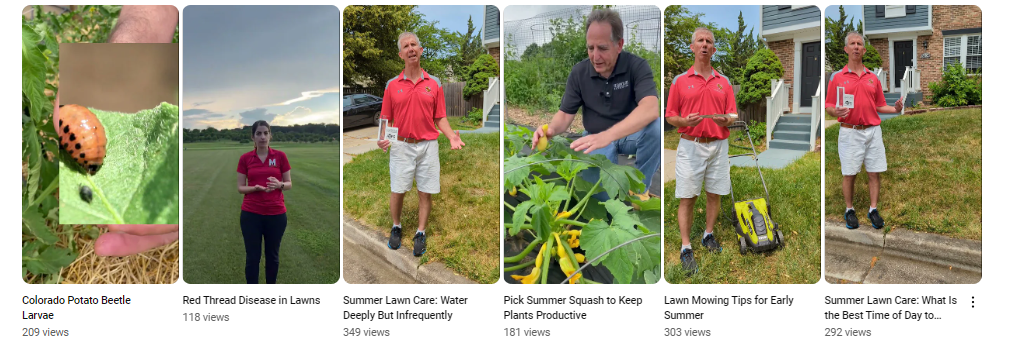
MD HGIC Video Tips
Our Extension experts are sharing one-minute video tips to help you in the garden this summer. We’re talking about pest management in the vegetable garden, tree and lawn diseases, native plants, mowing lawns, and more!
For more information, please visit:
 |
|
What can Master Gardeners do for you?
- Help you select and care for annual and perennial plants, shrubs and trees.
- Determine if you need to test your soil.
- Provide you with information on lawn care.
- Identify weeds, beneficial and noxious insects, and plant diseases and remedies.
- Teach you how to use pesticides, mulch and compost.
- Guide you in pruning trees and shrubs.
- Provide you with options for managing wildlife.
- Provide you with gardening resources.
- Help you submit a plant sample for diagnosis
Plant Clinics are held at several sites in the county on a weekly basis and at special events such as garden festivals and the county fair. Regularly scheduled Plant Clinics are located at public libraries and farmers’ markets throughout the county as well as at the Audubon Naturalist Society in Chevy Chase. There are also clinics three days per week at Brookside Gardens. The busiest season is April through September, but some clinics are open year-round. Bring your plant samples and questions to one of these locations in Montgomery County, MD (see link below to find a location near you):
https://extension.umd.edu/mg/locations/plant-clinics
UMD Home and Garden Information Center: Ask a Master Gardener
Do you have a gardening question? Our Certified Professional Horticulturists, faculty, and Master Gardener Volunteers are ready to answer – year-round!
See below to ask a master gardener a question on the UMD Extension website:
Maryland’s Best Native Plant Program
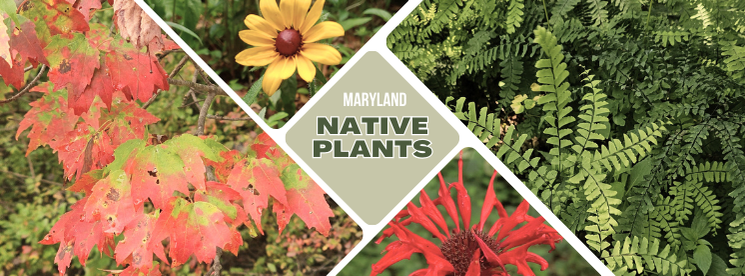
The Maryland Department of Agriculture (MDA) in partnership with University of Maryland Extension, the Department of Natural Resources, and the Maryland Native Plant Society is proud to introduce the MDA’s Maryland’s Best Native Plant Program.
This program aims to bring education, awareness, and recognition to consumers and producers about the importance of native plants by:
- creating a Commercial Maryland Native Plant List to help nurseries and consumers choose the most attractive and best plants for the environment
- recognizing retailers, wholesalers, and growers who are selling native plants via a tiered (bronze, silver, gold), voluntary certification program, and helping consumers know where to buy native plants
- providing marketing materials- including a MD Native Plant logo- to help consumers identify what’s native to Maryland
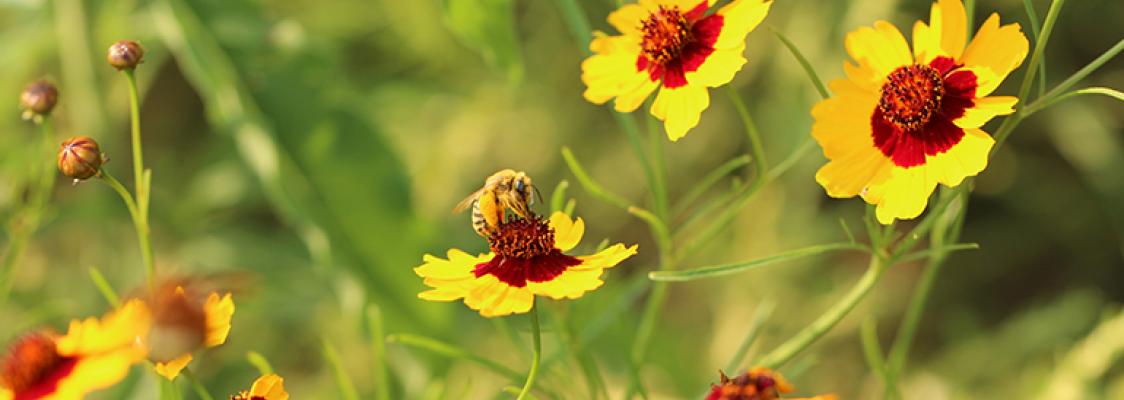
Check out the revised list of Mid-Atlantic native plants for pollinators and beneficial insects, from the Xerces Society.
Flowers and Groundcovers
- Cut back perennials that have turned to mush. Leave others with seedheads on Black-eyed Susan, Echinacea, Goldenrod, Sunflowers, and Thistles for the birds to enjoy over the winter.
- Clean out and store containers.
- Continue planting hardy, spring-flowering bulbs.
- After blooming, cut mums back to 6 inches above ground.
- Bulb foliage already starting to surface? Don’t fret. It is also normal and will not affect next year’s blooms.
- Pull out spent summer annuals.
- Prune and mulch hybrid tea roses.
- Force spring bulbs for indoor blooms this January by potting them up, watering thoroughly, and placing them in your vegetable crisper for about 10 weeks.
- Continue to divide and transplant perennials.
- Take cuttings from coleus and begonias to propagate and over-winter indoors.
- Sow wildflower seeds, such as California Poppies, for next spring.
- Collect dried flowers and grasses for an indoor vase.
- After hard frost, sow seeds of spring-blooming hardy annuals & perennials, then mark beds!
- Dig up bulbs from your Gladiolus, Canna, Caladiums, and other tender bulbs; cut off foliage; let dry for a week; and store for the winter.
- Water thoroughly, especially if you receive no rain for more than seven days.
- Inspect for powdery mildew. If seen, prune back perennials to create needed circulation. Discard properly (i.e., not in your compost bin).
- Rake up weeds and their seedlings, especially look for fast-growing vines such as honeysuckle, autumn clematis, bittersweet, wild grape, Virginia creeper, and poison ivy.
- Pests to watch for: Aphids, 4-lined plant bug, slugs, snails, spidermites, deer, voles, and whiteflies.
- Diseases to watch for: Blackspot on roses; powdery mildew, rust, bacterial diseases
- See UMD’s HGIC Garden Tips for more details.
- For a list of native plant resources, visit: https://extension.umd.edu/hgic/topics/native-plant-resources

5 Million Trees Initiative
Maryland’s goal is to plant and maintain 5 million native trees by 2031. There are various ways you can get involved – plant trees and register them — or volunteer! A number of tree-planting assistance programs are available at the municipal, county, and state levels.
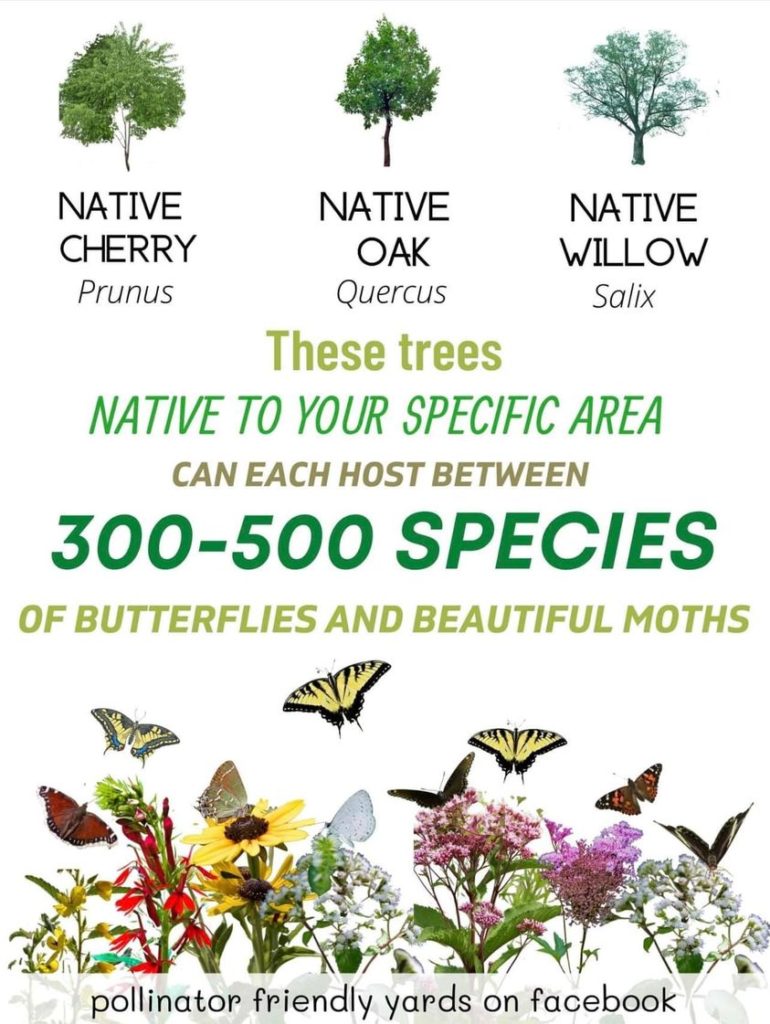
THIS is the SUPERPOWER of YOUR KEYSTONE NATIVE PLANTS.
- No exotic plant could ever achieve this.
- Want butterflies? Feed the caterpillars with keystone plants!
- Exotic plants will never support as many different species of caterpillars as the Keystone Natives can.
- Find your keystone native plants here by zip code.
If your zip code doesn’t give you enough information try zip codes of the nearest larger town or city. LINK: https://www.nwf.org/NativePlantFinder/
Trees and Shrubs
- Trees and shrubs can be planted until ground freezes.
- Dig hole now if you will be planting a “live” Christmas tree.
- Transplant trees when leaves begin to color.
- Water evergreens and new plantings to keep them hydrated this winter.
- Water slowly and deeply if weather is very dry.
- If your conifers start shedding their needles or your spring bulb foliage starts peeking out of the ground, don’t worry. This is normal for our autumn cycle.
- Look out for any Poison Ivy vines, which will turn crimson in the fall and be easy to distinguish from other vines.
- Thin out small trees and cut off any suckering branches growing from the bottom root ball.
- Prune foundation shrubs and trees to be no closer than 1 foot from the house.
- Remove rotting fruits from fruit trees and compost them.
- Take cuttings from azaleas, boxwoods, and camellias to start new plants.
- Contact a certified arborist to have your trees’ health inspected.
- Directly after blooming, prune flowering shrubs and vines.
- Water shrubs and trees deeply during any dry spells.
- IF YOU MUST MULCH: Remove old mulch, then add 2″ – 3″ shredded pine or pine needles, keeping away from trunk.
- Do not fertilize newly planted or transplanted plants the first year.
- Soil test established trees that have not been performing well.
- Plant evergreens for winter interest.
- Keep mowers and trimmers away from trunks!
- Prune broken, dead, diseased, or damaged branches.
- Keep an eye out for bark damage from rabbits or deer.
- Check often and water newly planted trees if they don’t pass the finger test (stick your finger deep into soil – dry? Water!)
- Check for vole problems and set out traps.
- Spray broadleaf evergreens with anti-desiccant to prevent dehydration.
- Use fallen leaves for mulch or compost.
- Remove Ivy, Pachysandra, and other vine-like groundcover from under shrubs.
- Mulch or compost healthy leaves.
- Continue to remove fallen, diseased leaves.
- Put diseased leaves, pesticide-laden grass clippings and weed seeds in your trash — not your compost pile.
- Turn your compost pile weekly and don’t let it dry out. Work compost into your planting beds.
- Apply dormant oil treatment to ornamentals and fruit trees before dormancy breaks.
- Remove dead and dying trees.
- Pests to watch for: adelgids, aphids, azalea lacebug, bagworms, borers, caterpillars, Gypsy moths, scale, sawfly, spidermites, leafminers, webworm, deer, and voles.
- Diseases to watch for: Anthracnose, Exobasidium gall on azaleas, Apple scab Cedar-apple hawthorn or quince rust, Verticillium wilt, Oak leaf blister, Phytophthora, top dieback and root rot on azaleas.
- For more tips, see UMD’s HGIC Garden Tips for more details.
Herbs, Veggies, and Fruit
- Cover carrots, parsnips, and turnips with straw to extend harvest.
- Harvest most fruits before frost.
- Harvest the last of your vegetables and till compost into the beds.
- Protect fig trees from freezing by piling up leaves around them.
- Remove this year’s fruiting raspberry canes down to the ground.
- Pick pumpkins at a local pick-your-own farm or visit a local farmer’s market.
- Keep an eye out for the first frost date and insulate plants as needed. In Zone 7, it is predicted between October 15 and November 15.
- You can still have vegetable garden and landscape soil tested.
- Pot up rosemary and chives for over-wintering indoors.
- Pick mature tomatoes and peppers to ripen on your window sills.
- Plant garlic bulbs.
- Collect seeds for next year’s planting and for trading at seed exchanges.
- Harvest your herbs often and keep them trimmed back to encourage leafy growth.
- Watch your pumpkins/squash. Harvest them when their rinds are dull and hard.
- Cut herbs for drying indoors.
- Preserve gourds and dry flowers for display in the fall.
- Deadhead garlic chives before they go to seed. Makes a nice cut-flower.
- Harvest onions when tops die back.
- Fertilize according to University of Maryland recommendations.
- Water deeply when needed.
- Dig up garlic when the tops turn brown. Let dry in the sun, then store.
- Prune fruit trees as their buds are swelling. Check for dead and diseased wood to prune out.
- Remove finished plants.
- Mulch strawberry beds for winter.
- Apply dormant oil spray to fruit trees.
- Pests to watch for: Asparagus beetle, aphids, cabbage worms, corn borer, corn earworm, cutworms, squash vine borer, tomato hornworm, rabbits, deer, woodchucks, and birds.
- Diseases to watch for: Powdery mildew, Fungal, bacterial, viral diseases.
- Here are some more UMD’s HGIC Garden Tips.
Lawns
- Begin mowing leaves into turf to add organic matter and nutrients.
- Fertilize tall fescue and bluegrass with 1 lb. Nitrogen per 1000 feet.
- Turn off outdoor water valve and store hoses.
- Let the lawn go dormant for now; it will green back up in the coming rains.
- Keep newly seeded lawns well watered!
- Water established lawns deeply but infrequently!
- Mow grass at 3 inches and leave the clippings on the lawn.
- Mow zoysia grass at 2″
- Test soil if you haven’t already.
- Clean yard of leaves and other debris.
- Mulch bare areas.
- Get your lawnmower serviced.
- Keep newly seeded lawns well watered.
- Apply grub control to your lawn.
- Sharpen your lawnmower blade.
- Check and tune-up power equipment (mowers and trimmers).
- Turn your compost pile.
- Diseases to watch for: brown patch, and red thread
- Pests to watch for: Grubs
- See UMD’s HGIC Garden Tips for more details.
Indoors/Houseplants
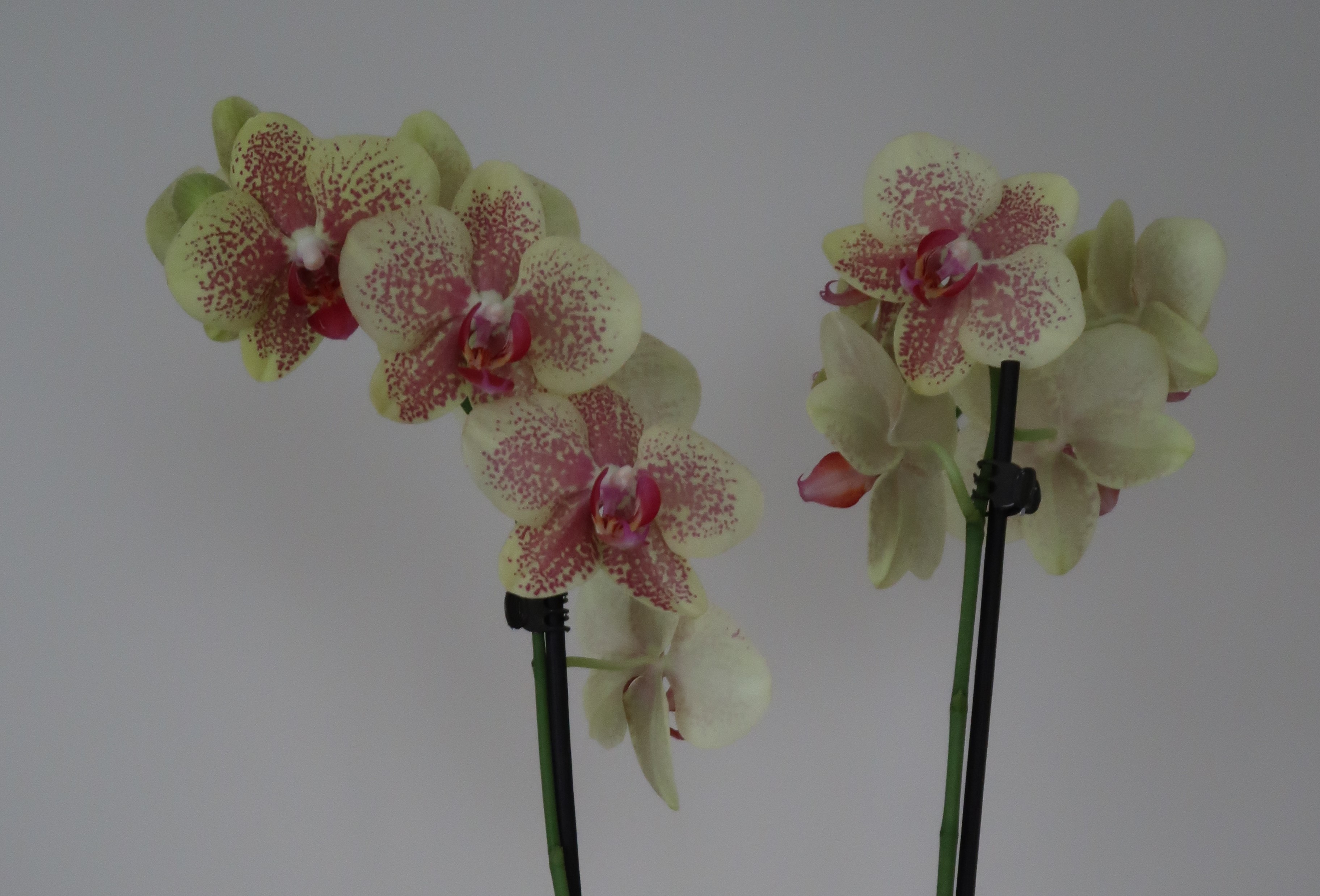
- All houseplants/overwintering plants should be inside by now!
- Take cuttings of plants you want to overwinter inside and place in water.
- Reduce fertilizing of indoor plants (except cyclamen).
- Do not fertilize until January.
- Deadhead flowering plants.
- Do not place live wreaths or greenery in-between your door and a glass storm door, especially if the doorway is facing south. This placement will “cook” the arrangement on a sunny day.
- Mid-month, pot amaryllis for winter holiday bloom.
- Force the buds on Christmas Cactus by placing in a cool (55-60 degree) room for 13 hours of darkness.
- Begin conditioning Poinsettias indoors in preparation for holiday blooming. Fertilize them and put them where they’ll get just 10 hours’ bright light per day.
- Bring Amaryllis indoors before a hard freeze. Repot every other year at this time. Store in a cool, dark place and do not water until flower buds or leaves emerge.
- Scan houseplants for insect activity.
- Maintain moisture in pots, but do not overwater!
- Set up humidifier for indoor plants or at least place them in pebble trays.
- Clean the leaves of your indoor houseplants to prevent dust and film build-up.
- Give your houseplants a quarter turn every few weeks.
- Keep all houseplants out of drafts and away from heat vents.
- Keep succulents and cacti on the dry side.
- Check on your container plants daily and keep them well-watered.
- Remove old leaves, damaged stems.
- Pinch out growing tips of leggy cuttings and plants that are overwintering.
- Clean the leaves of your indoor houseplants to prevent dust and film build-up.
- Pests to watch for: aphids, spider mites, mealybug, scale, stinkbugs, and whitefly.
- See UMD’s HGIC Garden Tips for more information.
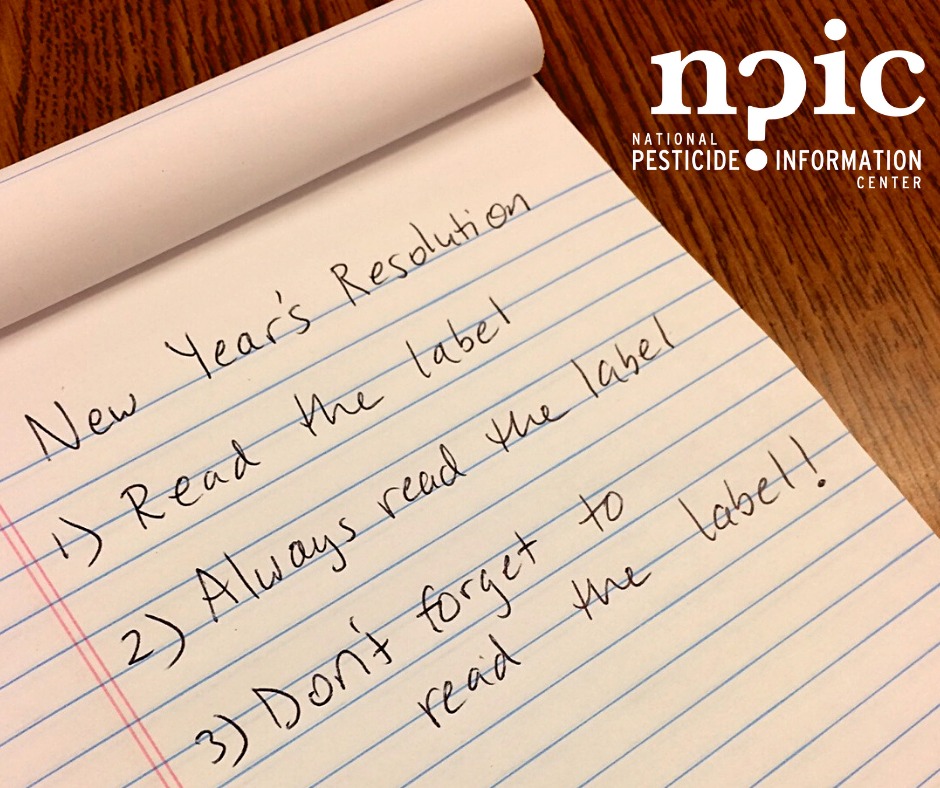
Read and follow label instructions on all pesticides and herbicides.
Start the year off by minimizing your #risk to #pesticides and always #ReadTheLabel! Learn more here: http://npic.orst.edu/health/readlabel.html
Questions about your label? Call us! 800-858-7378 M-F 8am-12pm PST
Indoor/Outdoor Insect and Wildlife Tips
- Caulk and seal your outside walls to prevent insect entry into your home.
- Check indoors for termites and ants.
- Start feeding birds to get them in the habit for this winter.
- Put up birdhouses.
- Put suet out for birds.
- Keep bird feeders clean and filled and provide a source of water.
- Wash out birdbaths daily with diluted bleach solution.
- Switch your deer deterrent spray. Re-apply after heavy rains.
- Set out traps for mice, moles, and voles.
- Watch for: eggs, larvae, overwintering stage of many species, carpenter ants, flies, stink bugs, termites, rabbits, raccoons, groundhogs, deer, mice, moles, snakes, squirrels, and voles.
- For more information, see UMD’s HGIC Garden Tips.
Source: University of Maryland’s Home and Garden Information Center (HGIC) and the Washington Gardener.
See more tips from HGIC:

Master Gardener Lecture: All About Figs

Saturday, November 8
2:00pm – 3:30pm
Rockville Memorial Library
21 Maryland Ave.
Rockville, MD 20850
Rockville Memorial Library – 1st Floor Meeting Room
Age group: Older Adult, Emerging Adult, Adult
Join Master Gardener, Dr. Jafar Vossoughi, to learn more about the fig fruit and plant.
Do you love fig trees? The fig is a peculiar and underestimated fruit with a very rich history. Dr. Jafar Vossoughi, retired bioengineering professor and a Master Gardener, will present a comprehensive talk on the small, unusual fruit, the fig. The presentation will cover history, botany, biology, and information specific to the cultivars suitable for our region. A short review of the medicinal, nutritional, and culinary aspects of this fruit will also be discussed.
Questions about this program? Contact the branch at 240-777-0140.
Don’t have a card right now? No worries! Find out how to Get a Library Card.
Library Program Attendance (both virtual and in the branch) is limited to participants within the suggested age range of the program. Children attending an MCPL program under the age of 8 must be accompanied by an adult. Adults attending a program intended for children must have an accompanying child.
If you plan to attend with a group of ten or more, please contact the branch at least one week before the program to discuss how your group might be accommodated.
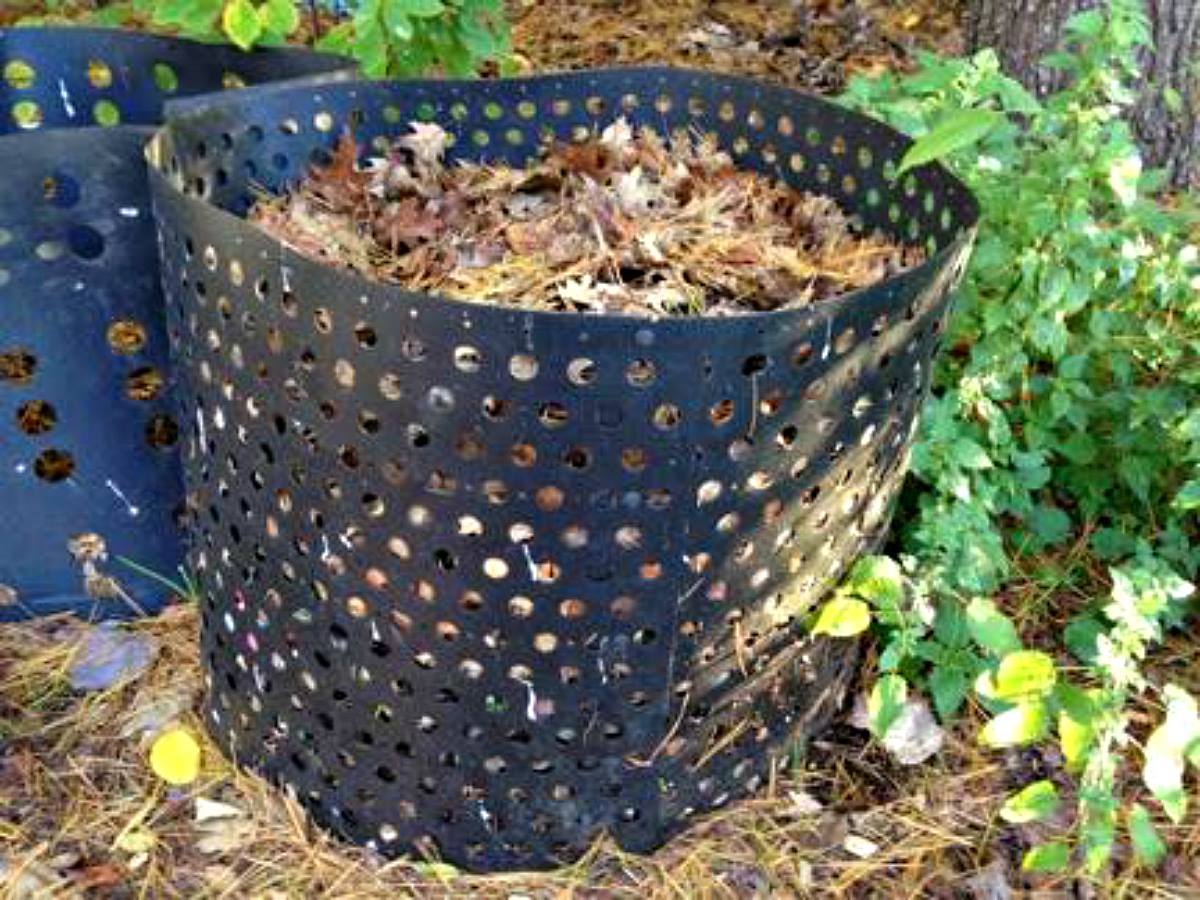
Backyard Composting Basics with Montgomery County Dept. of Environmental Protection – at Gaithersburg Library
Monday, November 10: 6:00pm – 7:30pm
Gaithersburg Library
Age group: Older Adult, Middle School, High School, Emerging Adult, Adult
Learn how composting helps protect the environment, improves the health of your lawn and garden, and can save you money.
Join Jessica Panicola from Montgomery County Enviornmental Protection to learn how backyard composting transforms your yard and garden trimmings, such as grass clippings, leaves, and garden pruning’s, into a dark, crumbly, sweet-smelling material that naturally enriches the soil! Register today to attend a Backyard Composting Workshop designed to teach you about the composting process and how to use your backyard composting bin.
Please note this is NOT a food scraps composting workshop.
Registration is not required.
Questions about this program? Please contact Gaithersburg Library at 240-773-9490.
Wednesday Water Webinars

University of Maryland Extension will be hosting monthly webinars on various water quality related topics. Join Andrew Lazur, Water Quality Specialist, as he dives into water topics that affect us all. These webinars will take place via Zoom on the dates shown below, allowing time for Q & A at the end.
Montgomery Parks – Events

Black Hill Van Trips: Hiking Trip to Wye Island: Monday, November 17 | 9 am to 4 pm | Ages 18+ | $50
Nature Hunt: Saturday, November 29 | 11 am to 1 pm | All Ages | FREE
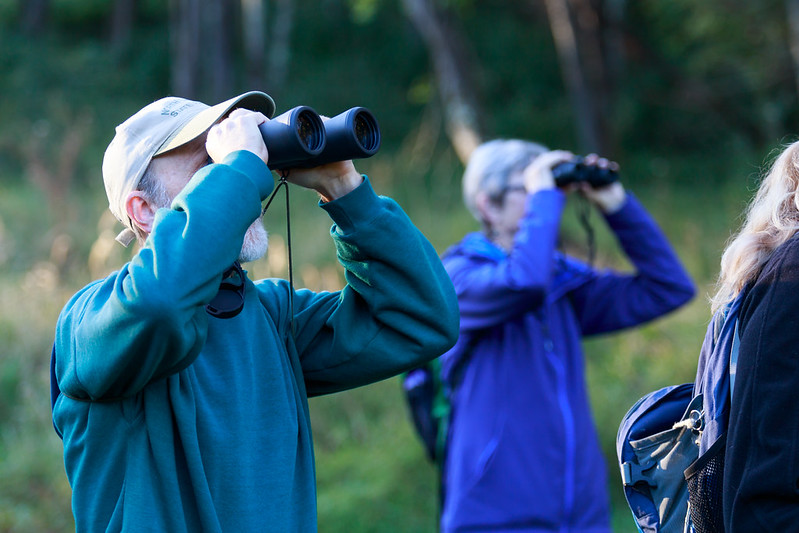
Birding at Black Hill: Birding for Beginners: Saturday, November 29 | 9 am to 12 pm | Ages 16+ | $12


Tickets NOW on sale
**Runs November 21, 2025, through January 4, 2026
All Ages | Price Varies
Shine bright with us as Brookside Garden’s gets a glow up this season! From late-November to early January, you can stroll through the one-half mile, outdoor, walk-through exhibit and enjoy the twinkling lights and glimmering one-of-a-kind displays adorning the flowerbeds and grounds throughout the 50-acre horticultural gem in Wheaton.
Project FeederWatch
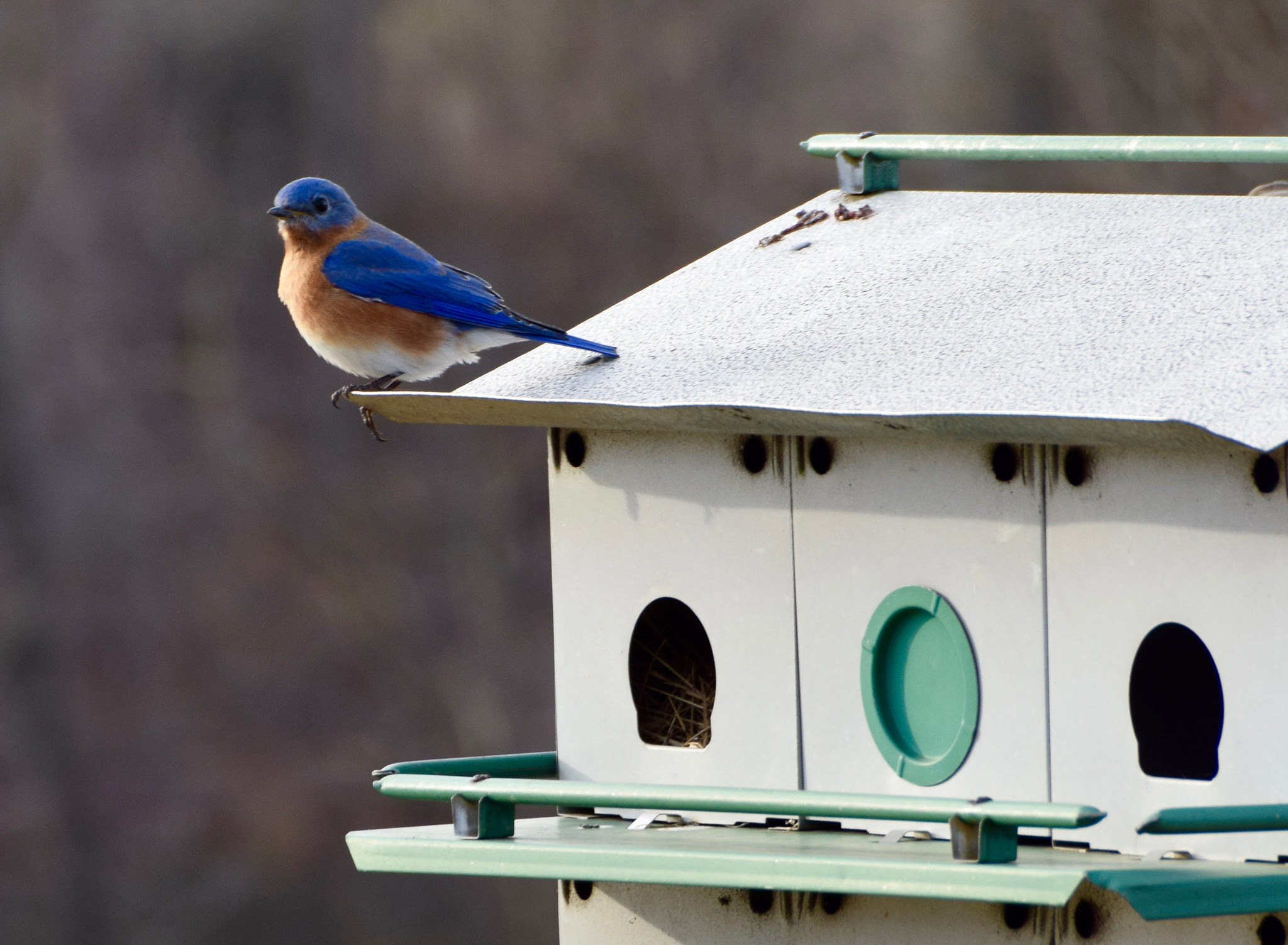
Project FeederWatch: Thursdays and Fridays starting November 6 | 11 am to 12 pm | All Ages | FREE | Locust Grove Nature Center, 7777 Democracy Boulevard, Bethesda, Maryland 20817
Seniors 55+ and Fabulous Events for November

Hike to Parks Unknown – Intermediate: Friday, November 7 | 1 to 2:30 pm | $10 | Block House Point Conservation Park
Hike to Parks Unknown – Beginner:Sunday, November 9 | 9:30 to 11 am | $10 | Winding Creek Local Park
Roots to Rocks: Saturday, November 15 | 10 am to 12 pm | FREE | Black Hill Regional Park
Nature Book Club: Tuesday, November 18 | 6 to 7:30 pm | FREE | Virtual
Seneca Creek State Park November Programs

Seneca Creek State Park
11950 Clopper Road
Gaithersburg, MD 20878
Here’s a link to Seneca Creek State Park’s November Programs. Featured events for November include Family Nature Hikes, Nature Crafts – Acorn Squirrels, Challenge Yourself at Monocacy Hike, Violette’s Lock Hike, Nature Crafts – Pinecone Turkeys, Nature Crafts – Static Electricity Bird, Bug, or Bat Experiment, Thanksgiving Scavenger Hunt, and more! These events are provided by The Friends of Seneca Creek State Park.
About Friends Of Seneca Creek State Park (FOSCSP)
The only State Park entirely in Montgomery County, featuring Hiking, Disc Golf, Boating, Fishing, Peony Display Garden, Recycled Tire Playground, and Winter Lights display from Nov. 27th through December 31st. Entrance is free from November through March.
The Friends of Seneca Creek State Park collect dues and donations that are used to support the visitor experience in the park. We are a 501(c)(3) designated charity, so all donations, including dues, are tax deductible as allowed by law.
Montgomery College Lifelong Learning Home and Garden Classes – Fall 2025

See Schedule of Fall Classes below:
| Course | Course Name | Start Date | End Date | Days | Times | Location |
| LLP118 | Dazzling Floral Arrangements and Designs for Home and Office | 12/6/2025 | 12/13/2025 | Sat | 10:30 AM – 1:00 PM | MK 102 |
| LLI022 | Orchids:How to Grow and Bloom | 11/4/2025 | 11/4/2025 | Tues | 6:30 PM – 9:30 PM | Virtual Remote |
Let’s Talk Gardens
Thursdays 12 to 1 p.m.
Smithsonian Gardens
“Grow” your gardening know-how! Our free online gardening program, Let’s Talk Gardens, covers a wide range of topics presented by our own professional staff, as well as guest speakers.
And we encourage you to watch videos in our Let’s Talk Gardens Video Library.