Hello Friends, Neighbors, Fellow Gardeners,
Happy Holidays! It’s time to enjoy the winter holidays with friends and family and there are plenty of festivities for this holiday to enjoy! Here are some gardening tips, educational opportunities, and events for December. Events include Brookside Garden’s of Lights, Pop Up in Montgomery Parks, Eagle Watching at Conowingo Dam, 2016 Winter Ice Show – Wheaton Ice Arena, Meadowside Nature Center’s Winter Solstice Campfire, Celebrate the Winter on the Solstice at Brookside Gardens, Master Naturalist Training, and more!
Planning:
- Pick a budding gardener on your gift list to give some inspirational garden books and magazines; then watch them blossom.
- Read the Washington Gardener’s “
 Top 10 New Books for Gardeners” to find the perfect gift for gardeners! | Washington Gardener Magazine
 - Evaluate the gardening year, and make notes of desired changes.
- Start reading those seed catalogs!
- Start organizing your incoming garden catalogs.
- Do not place live wreaths or greenery in-between your door and a glass storm door, especially if the doorway if facing south. This placement will “cook” the arrangement on a sunny day.
- Clean, sharpen, and store your garden tools. Read this University of Illinois article on “Winterizing Your Garden Tools” for tips. | by Sandra Mason, Extension Educator, University of Illinois Extension Horticulture http://web.extension.illinois.edu/cfiv/homeowners/021116.html
- Attend a local garden club meeting.
- Sign up all your friends and family for garden magazine subscriptions as holiday gifts.
- Go on a local house or garden tour to see what plants are thriving in other’s area home gardens: http://www.visitmaryland.org/list/gardens-Maryland
- Visit the U.S. Botanic Garden and come explore more than 50 national parks and
 historic sites made from plants and natural materials in our holiday show “Season’s Greenings: National Parks and Historic Sites” with trains, decorated trees, poinsettias, and so much more! See link below for details and videos.
Nov. 24 – Jan. 2, 2017, 10:00-5:00 daily, free
www.USBG.gov/SeasonsGreenings - Become a Master Gardener! Montgomery County residents interested in learning
 environmentally sound gardening practices and sharing the information with others can apply now to join the 2017 Montgomery County Master Gardener volunteer training program. The course begins January 24, 2017, and continues through March 10, 2017 (depending on possible snow days). Classes meet Tuesdays, Wednesdays and Fridays from 9:30 a.m. to 2:30 p.m. at the University of Maryland Extension, Montgomery County office, located at the Agricultural History Farm Park, 18410 Muncaster Rd., Derwood, MD. The training fee is $325 and includes a training manual and other materials. Application Deadline: Friday, December 30, 2016. For details, please visit: https://umd.app.box.com/v/2017MGTrainingMoCo
 - Spring Conference | University of Maryland Extension
 Save the date! Next year’s Montgomery County Master Gardener Spring Gardening Conference is scheduled for February 25, 2017. The conference will be held at University of Maryland Extension Montgomery County Office, 18410 Muncaster Rd, Derwood, MD, at the Agricultural History Farm Park. Registration opens in January. For details, please visit: https://www.extension.umd.edu/mg/locations/spring-miniconference


Flowers and Groundcovers:
- Water transplants if weather is dry.
- Last chance to plant bulbs or, if you have waited until the ground is frozen, pot them up for forcing indoors.
- Provide some special protection to tender and early flowering plants like Camellias.
- Avoid walking in frozen planting beds.
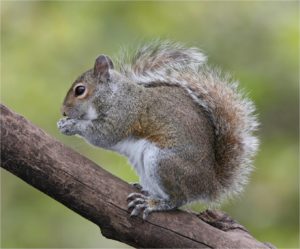
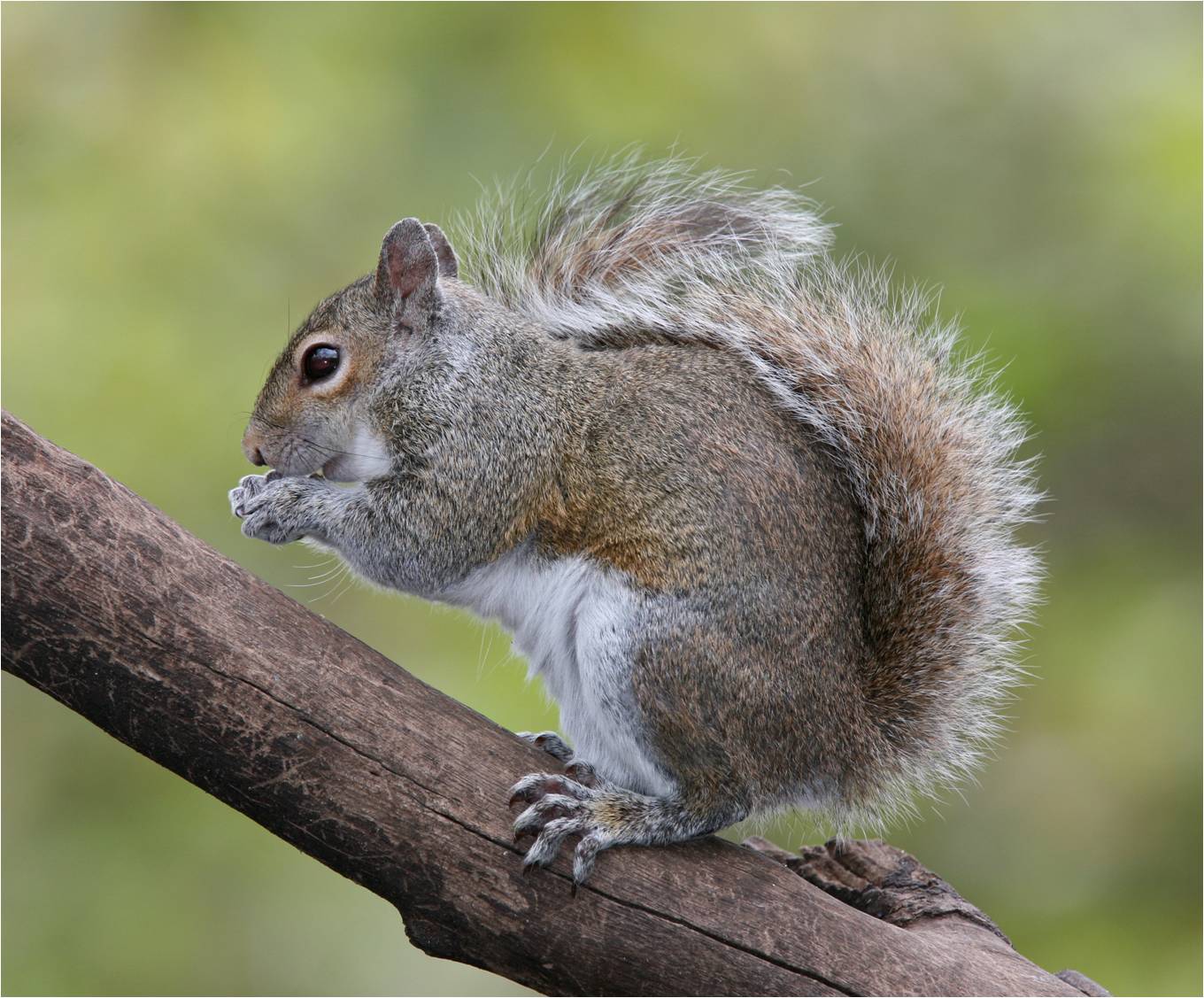
- Pests to watch for: Squirrels, Deer
- Diseases to watch for: powdery mildew, fungal leaf spot
- See UMD’s HGIC’s December Flower tips for more details.
Trees and Shrubs:
- Moderately prune evergreens, especially hollies, for indoor decorating.
- Gather holiday greens. Some, like holly and boxwood, benefit from being pruned by growing thicker.
- Stake newly planted large trees or shrubs to protect them from winter winds.
- Apply scale and dormant oil treatment to evergreens.
- For care of holiday plants and trees, see “Pruning Ornamental Trees and Shrubs” publication for details.
- Keep watering newly planted trees and shrubs as needed.
- Water slowly and deeply if weather is very dry and ground is not frozen.
- Prune out Fireblight damage Malus and Pyrus when very cold.
- Gently remove layers of snow from outdoor evergreens with a broom.
- Check the plants under tall evergreens and under the eaves of the house to see that they have sufficient moisture.
- Remove and destroy gypsy moth egg masses.
- Prune maples, dogwoods, birch, elm, and walnut—if needed.
- Keep an eye open for bark damage from rabbits and deer.
- Spray broadleaf evergreens with anti-dessicant and prevent dehydration.
- Use branches from your Christmas tree as bedding mulch or as a windbreak.
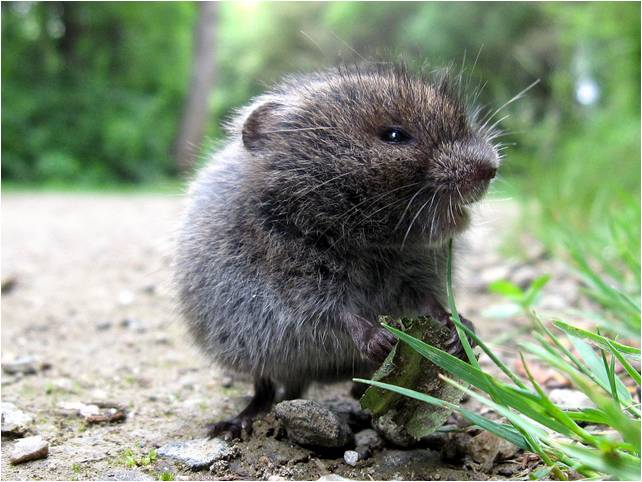
- Pests to watch for: Deer, Rabbits, Vole.
- Diseases to watch for: Powdery mildew.
- See HGIC’s December Trees and Shrubs Tips for more details.
Herbs, Veggies, and Fruit:
- Prune out Fireblight damage on apples and pears when very cold.
- Cover strawberry beds with straw or pine needles.
- Vent cold frames on sunny days.
- Spread ashes from wood fires on your vegetable beds.
- Prune stone fruit trees like cherries, plums, and peaches.
- Pests to watch for: Squash vine borer, slugs.
- Diseases to watch for: Powdery mildew, fungal, bacterial, viral diseases.
- Here are some more fruit and vegetable gardening tips for December from UMD’s HGIC.
Lawns:
- Read the Home and Garden Information Center’s (HGIC) “Compost publication” to learn why compost is the lifeblood of the garden” with tips and videos for details on composting. | https://extension.umd.edu/hgic/soils/compost
- Avoid walking on frozen grass to avoid damaging the crowns.
- Store your fertilizer and seeds in rodent-proof containers.
- Do any filling and grading around your yard. The soil will settle during the winter months.
- Some alternatives to de-icing salts include sand, beet juice sugars, light gravel (grit), or non-clumping kitty litter. Use de-icing salts around driveways and sidewalks can harm your garden plants and turf.
- Mulch or compost healthy leaves.
- Clean your gutters.
- Turn your compost pile weekly and don’t let it dry out. Work compost into your planting beds.
- Diseases to watch for: dollar spot, brown patch and red thread
- Pests to watch for: Grubs
- See HGIC’s December Lawn Tips for more details.
Indoors/Houseplants:
- Pinch out growing tips of leggy cuttings and plants that are overwintering. No fertilizing yet.
- Keep watering your poinsettias and give them plenty of light. Ensure they are away from drafts and that the pots drain freely.
- Take cuttings of plants you want to overwinter inside and place in water.
- Check houseplants, and any plants you brought indoors for the winter, for insects.
- Check any tropical or summer blooming bulbs, tubers, and bare root plants in storage for rot or desiccation.
- Keep succulents and cacti on the dry side.
- Water your cut Christmas tree daily.
- Force spring bulbs for indoor blooms this January by potting them up, watering thoroughly, and placing them in your vegetable crisper for about 10 weeks.
- Start new indoor plants from cuttings—try an easy one such as violets.
- Reduce fertilizing of indoor plants (except Cyclamen).
- Set up a humidifier for indoor plants or at least place them in pebble trays.
- Continue to rotate houseplants to promote even growth.
- Pot up Paper Whites and Amaryllis for holiday blooming.
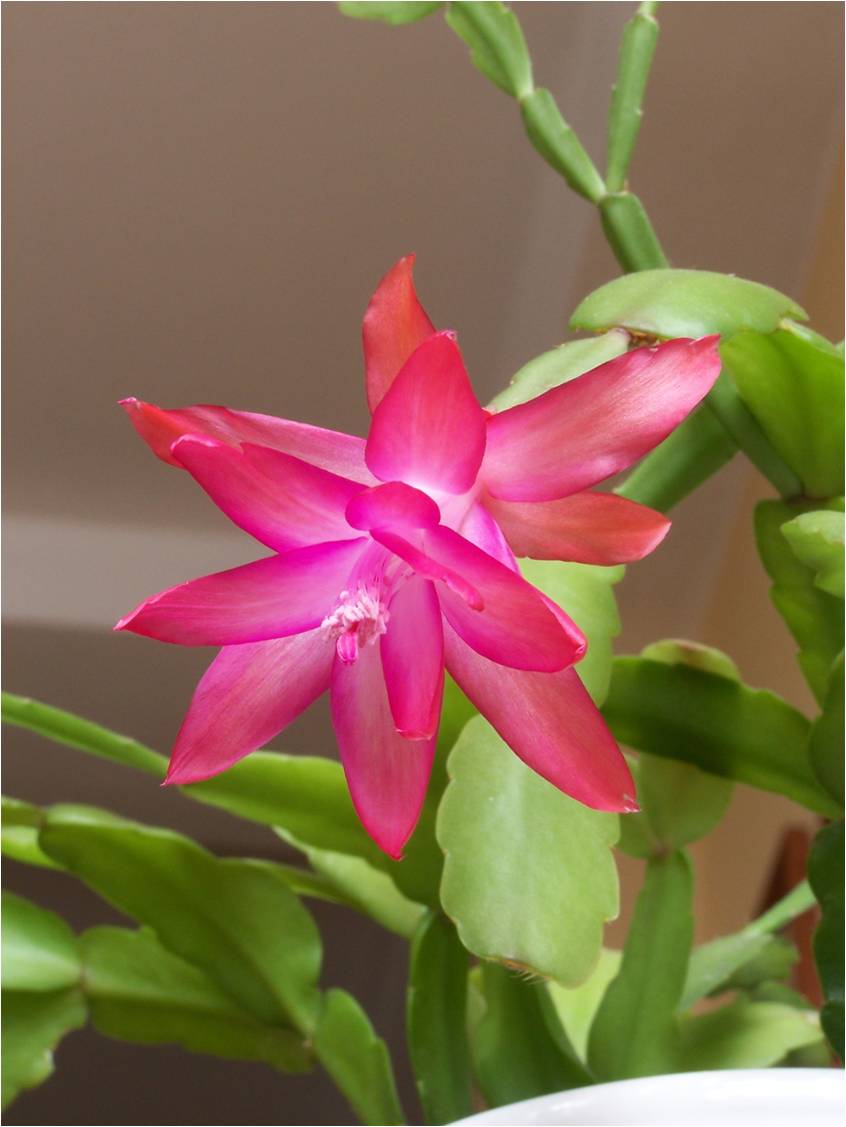
- For readying Christmas cactus and poinsettia for holiday blooming, see HGIC’s Christmas Cacti Guide and Poinsettia Care Guide.
- Pests to watch for: Spidermites, mealybug, scale, aphids, whitefly
- See HGIC’s December Houseplants Tips for more tips.
Indoor/Outdoor Insect and Wildlife Tips:
- Feed birds and provide them with a fresh water source.
- Destroy brown marmorated stink bugs in a jar of soapy water.
- Switch your deer deterrent spray if you’ve been using the same one for several
 months. Re-apply after heavy rains. Apply repellents such as “Liquid Fence”, ”Deer-Away”, “Deer-Off”, “Hinder” or “Ro-Pel” to vulnerable plants.
 - See HGIC’s December Insect Tips for more details.
- Watch for: rabbits, groundhogs, deer, moles, snakes, squirrels, and voles.
- For more information on wildlife management and attracting wildlife see HGIC’s December Wildlife tips.
Source: University of Maryland’s Home and Garden Information Center (HGIC) and the Washington Gardener.
December
See below for upcoming local events in December.

Montgomery Parks Special Events & Festivals
More events are being added regularly. Please check back often!
Save the dates for these upcoming Winter events! Events include the Brookside Garden’s of Lights, Pop Up in Montgomery Parks, Eagle Watching at Conowingo Dam, 2016 Winter Ice Show – Wheaton Ice Arena, Meadowside Nature Center’s Winter Solstice Campfire, Celebrate the Winter on the Solstice at Brookside Gardens, and Master Naturalist Training!