Hello Friends, Neighbors, Fellow Gardeners,
Happy Spring! Here are some garden tips, educational opportunities, and videos for March. Some upcoming events/resources include MCT Garden Club Master Gardener Talk on “Why You Need to Add Water to Your Garden,” HGIC Backyard Gardening Zoom Sessions, Natives at Noon 1st Wednesday Webinars, Benjamin Gaither Center‘s Garden Talks: Gardening 101, Anyone Can Grow Potatoes, Montgomery Parks – Events: Winter Walk @ Agricultural History Farm Park, Black Hill Discovery Center: Black Hill Van Trips- Hike at Lake Roland, Adaptive Recreation – Gardening 101, Hike Club, Wet and Wild Watersheds, Black Hill Bookworms- “Rosalie Edge, Hawk of Mercy: The Activist Who Saved Nature From The Conservationists:”, Chirp & Herp Hike, Brookside Gardens: Conservatory Tour: Conservation and Collection Curation, Locust Grove Nature Center: Morning Tweets & Tea- Learning Birdsong, Community Science Night Hike, Art in Nature- Drawing Skulls, Tracks, and Scat, Family Nature Hikes, Spring Wildflower Walk, Long Life Learners – Walk with a Master Naturalist, Getting Started with Native Plants – Nativescaping 101; Seneca Creek State Park March Programs; Montgomery College: Environmental Horticulture Program – Spring 2026 classes, Lifelong Learning Home and Garden Classes – Spring 2026, and more! A lot of gardening events are announced on Facebook as well as on our website. These events will be hosted as online or in-person events.
Planning Tips
- Start or update your garden journals.
- Select and order fruit plants. Decide on new tree/shrub locations.
- Plan landscape design projects.
- Design new beds and gardens.
- Clean, sharpen, and store your garden tools.
- Repair your shed and repair/paint your fences.
- Check out gardening books from your local library to read.
- Pick up new gardening books and magazines for inspiration.
- Volunteer at a local public or historic garden.
- Plan for 2026 with these Free resources: Landscaping with Native Plants by the Maryland Native Plant Society, Plant Invaders of Mid-Atlantic Natural Areas by the National Park Service, Master Gardeners of Northern Virginia Reading Room. Visit our Online Gardening Resources page for more helpful online resources.
- Buy a good gardening book or magazine subscription for a gift for your favorite gardener.
- Have a question about gardening? Check the University of Maryland Extension’s New Maryland Grows blog for garden tips.
Why You Need to Add Water to Your Garden
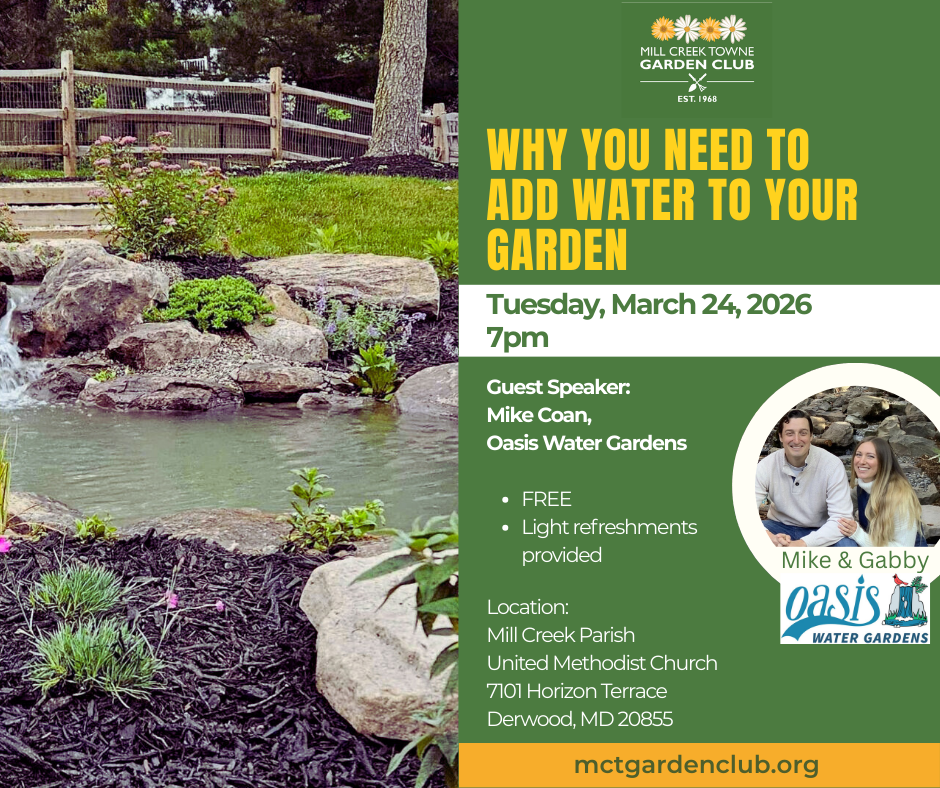
March 24 @ 7:00 pm – 8:00 pm
Mill Creek Parish United Methodist
7101 Horizon Terrace
Derwood, MD 20855
Join us for a special presentation on an “Why You Need to Add Water to Your Garden”, by guest speaker, Mike Coan, Oasis Water Gardens, on Tuesday, March 24, 2026 at 7pm.
- FREE
- Light Refreshments provided
Most of us spend a lot of time thinking about plants, color, and structure in our gardens — but water is often the piece that’s missing.
In this talk, we take a practical look at what water actually brings to a garden. Not just how it looks, but how it changes the way a space feels and how people use it every day.
We’ll talk about why ponds and waterfalls naturally become focal points, how they create movement and sound, and why so many people find themselves drawn to sit near water without even realizing it.
We’ll also spend time on the ecological side of things. Even small water features can make a big difference for birds, pollinators, frogs, and other local wildlife. Adding water often turns a garden into a living, active ecosystem rather than something that’s just nice to look at.
We’ll wrap up by walking through the core principles behind building a water feature, starting with small, simple waterfalls and then showing how those same ideas carry through to larger ponds and more complex designs. The goal is to help people understand how water features work at a fundamental level and to demystify some of the questions we hear all the time.
RSVP: info@mctgardenclub.org
Please do NOT attend this event if you are or have been experiencing symptoms of illness.
THIS EVENT IS FREE, BUT DONATIONS ARE ALWAYS APPRECIATED!
Donations pay for landscaping, repair and maintenance of the Mill Creek Towne Entrances, and our garden-related programs at our community meetings.
NOTE: If Montgomery County Schools are closed due to inclement weather, the Garden Club meeting will be cancelled. are closed due to inclement weather, the Garden Club meeting will be cancelled.
Join Mill Creek Towne Garden Club!
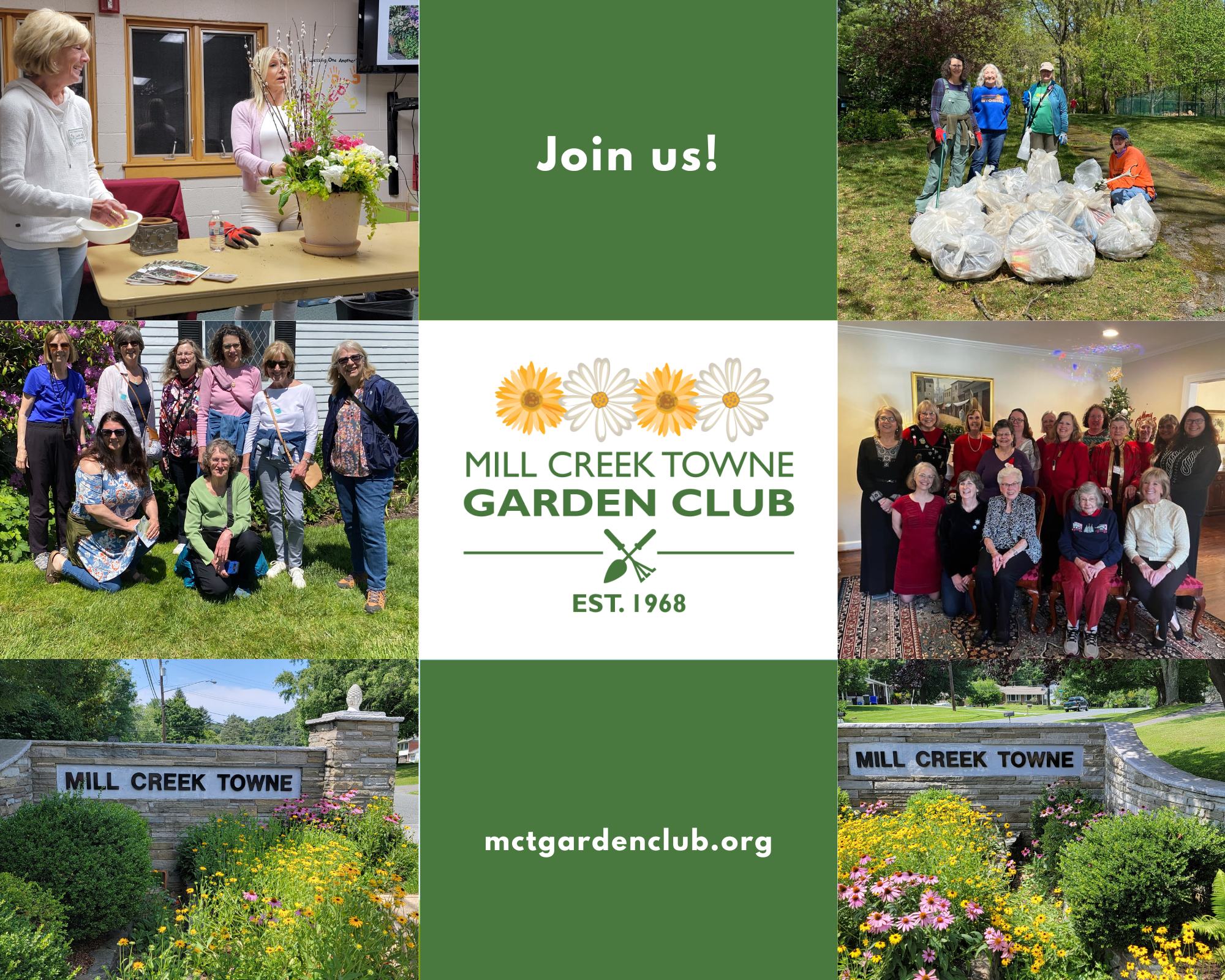
- Are you interested in gardening? Perhaps you’re a beginner, looking to learn more, or an experienced gardener interested in sharing your experiences and learning from others?
- Are you interested in making your home and community a more beautiful place to live?
- Are you interested in getting more involved in your community and getting to know your neighbors better?
Visit Our MCT Garden Club Website for Gardening Resources


- Local Gardening Resources: Looking for a Master Gardener as a guest speaker, need gardening advice, or want to learn about resources in or near Mill Creek Towne? Visit our Resources page for details.
- MCTGC Blog: Check our monthly blog for garden tips and local/online garden-related events.
- Gardening Books: Looking for a gift for your favorite gardener? Visit our Gardening Books Resources page for holiday gift ideas.
- Local Gardens: Visit our Local Gardens page to learn about local gardens in our area.
- Montgomery County Farmers’ Markets: Support our local farmers. Check this page to learn about local farmers markets in our area or join a CSA and get fresh local produce year-round!
- Online Gardening Resources: Looking for gardening apps or online resources to help with your gardening? Check out our Online Gardening Resources page for some apps for your smartphone and online gardening resources focused on the DMV area.
- Recipes: Looking for a recipe for your home-grown veggies and fruit? Check our Recipes page for ideas.

Maryland Grows Blog
In weekly posts on MD HGIC’s blog, learn about pollinator conservation, growing native plants and food, and how to solve plant pest and disease problems.
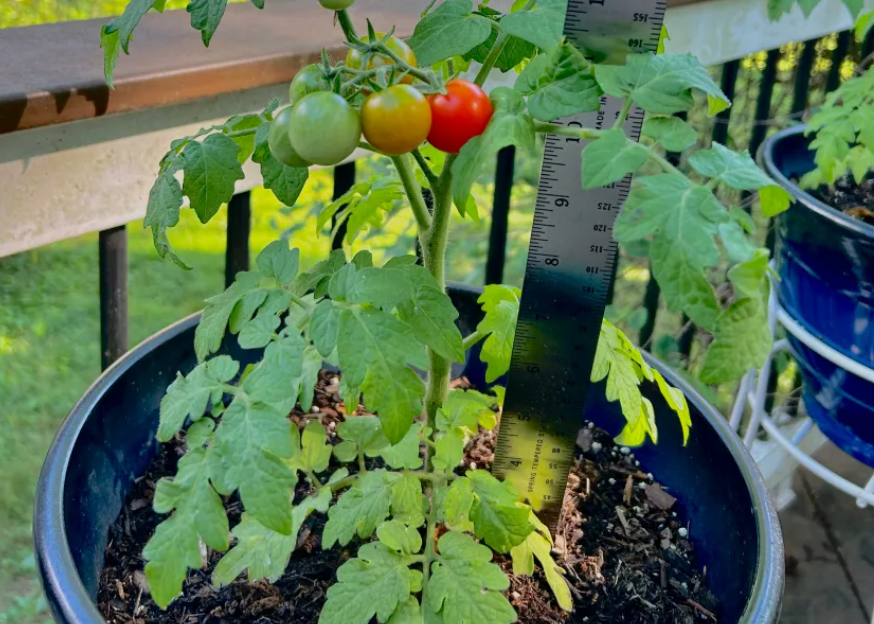
Featured Article
It’s too Darn Hot: Garden Schemes for Sweltering Days
Principal Agent Associate Annette Cormany shares garden tips for excessive heat.
Other Timely Topics
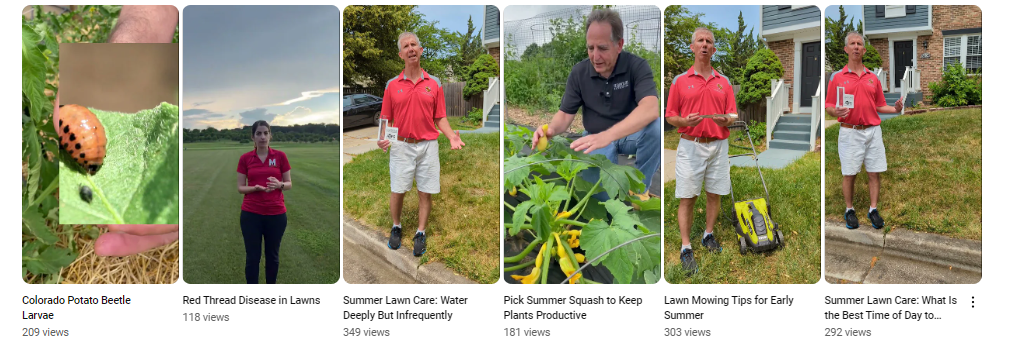
MD HGIC Video Tips
Our Extension experts are sharing one-minute video tips to help you in the garden this summer. We’re talking about pest management in the vegetable garden, tree and lawn diseases, native plants, mowing lawns, and more!
For more information, please visit:
 |
|
What can Master Gardeners do for you?
- Help you select and care for annual and perennial plants, shrubs and trees.
- Determine if you need to test your soil.
- Provide you with information on lawn care.
- Identify weeds, beneficial and noxious insects, and plant diseases and remedies.
- Teach you how to use pesticides, mulch and compost.
- Guide you in pruning trees and shrubs.
- Provide you with options for managing wildlife.
- Provide you with gardening resources.
- Help you submit a plant sample for diagnosis
Plant Clinics are held at several sites in the county on a weekly basis and at special events such as garden festivals and the county fair. Regularly scheduled Plant Clinics are located at public libraries and farmers’ markets throughout the county as well as at the Audubon Naturalist Society in Chevy Chase. There are also clinics three days per week at Brookside Gardens. The busiest season is April through September, but some clinics are open year-round. Bring your plant samples and questions to one of these locations in Montgomery County, MD (see link below to find a location near you):
https://extension.umd.edu/mg/locations/plant-clinics
UMD Home and Garden Information Center: Ask a Master Gardener

Do you have a gardening question? Our Certified Professional Horticulturists, faculty, and Master Gardener Volunteers are ready to answer – year-round!
See below to ask a master gardener a question on the UMD Extension website:
Maryland’s Best Native Plant Program
The Maryland Department of Agriculture (MDA) in partnership with University of Maryland Extension, the Department of Natural Resources, and the Maryland Native Plant Society is proud to introduce the MDA’s Maryland’s Best Native Plant Program.
This program aims to bring education, awareness, and recognition to consumers and producers about the importance of native plants by:
- creating a Commercial Maryland Native Plant List to help nurseries and consumers choose the most attractive and best plants for the environment
- recognizing retailers, wholesalers, and growers who are selling native plants via a tiered (bronze, silver, gold), voluntary certification program, and helping consumers know where to buy native plants
- providing marketing materials- including a MD Native Plant logo- to help consumers identify what’s native to Maryland
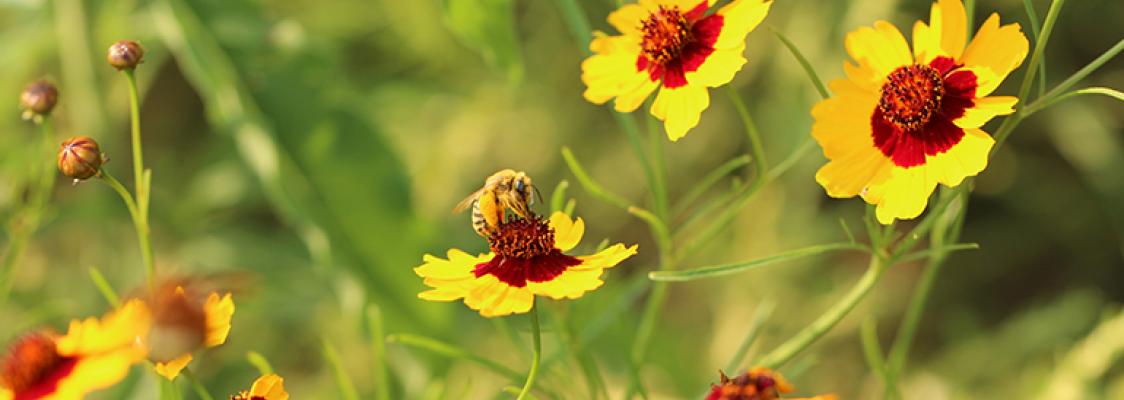
Check out the revised list of Mid-Atlantic native plants for pollinators and beneficial insects, from the Xerces Society.
Flowers and Groundcovers
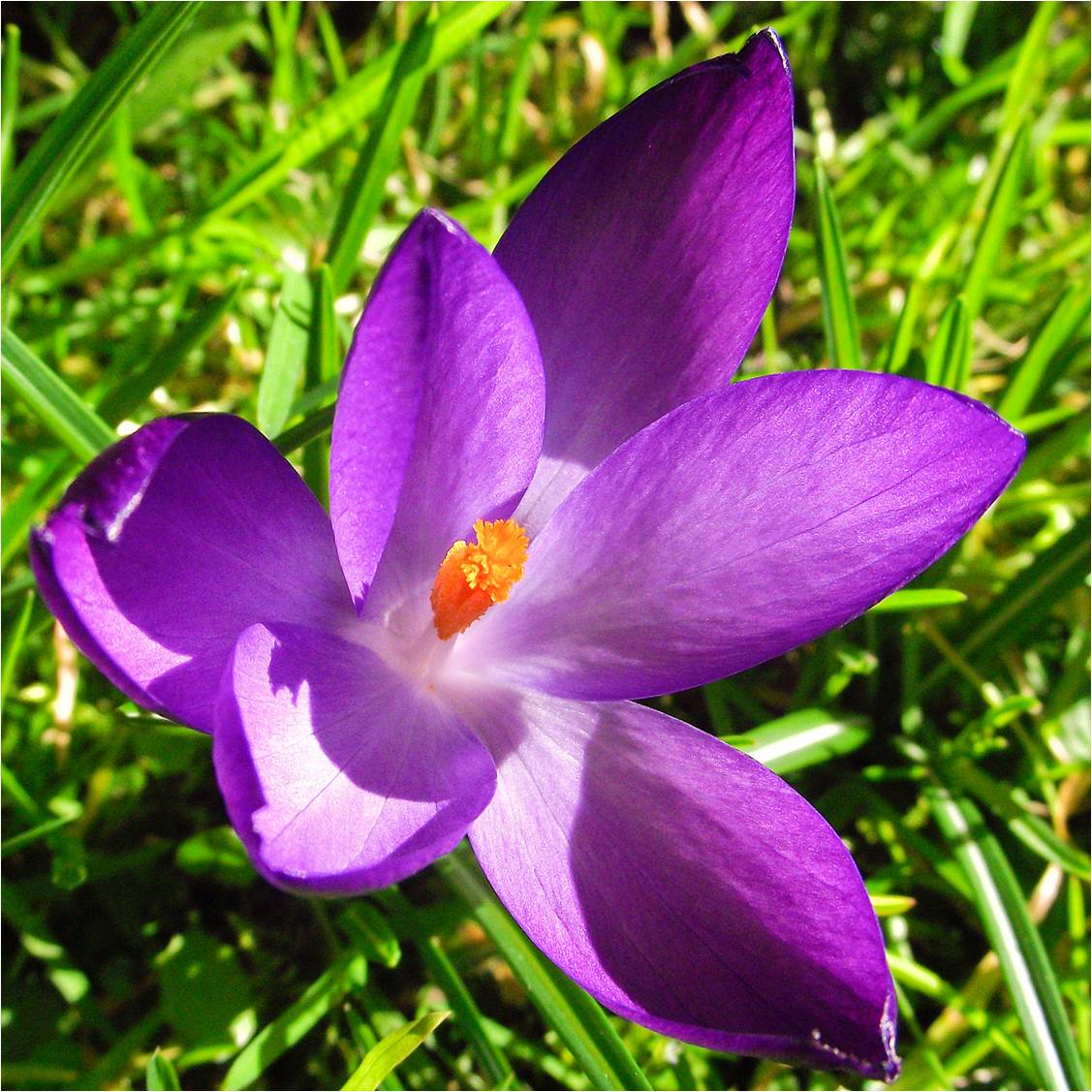
- Hardy spring bulbs begin to emerge (crocus, snowdrops, daffodils, tulips).
- Deadhead pansies.
- Transplant seedlings into individual 3″ – 4″ pots when crowded.
- Pinch out growing tips of leggy seedlings.
- Fertilize summer flowering bulbs.
- Start seeds for: Dwarf Zinnias, Cosmos, Celosia, Impatiens, Mallow, Petunias, Tall Marigolds, Tall Zinnias. Check daily for moisture.
- If you started seeds last month, thin them and start the hardening-off process.
- Start hardy pansies and perennials.
- Divide perennials.
- Cut your Daffodils for indoor bouquets, but do not combine them with other flowers in one vase. They give off a toxic substance that may kill your other blooms off prematurely.
- Buy or check on your stored summer bulbs (such as dahlias and caladiums). Pot them and start to water, if you want to give them an early start on the season.
- Hand-pull visible weeds.
- Plant and prune roses.
- Walk your yard to check plants and bulbs for heaving and place them back into the ground. Cover with more mulch to prevent further heaving.
- Do not step on frozen soil in flower beds or lawns.
- Look for evidence of pest or fungal damage throughout your garden.
- Cut back and clear out the last of your perennial beds.
- After hard frost, sow seeds of spring-blooming hardy annuals & perennials, then mark beds!
- Inspect for powdery mildew. If seen, prune back perennials to create needed circulation. Discard properly (i.e., not in your compost bin).
- Rake up weeds and their seedlings, especially look for fast-growing vines such as honeysuckle, autumn clematis, bittersweet, wild grape, Virginia creeper, and poison ivy.
- Pests to watch for: deer, voles
- Diseases to watch for: Damping off of seedlings.
- See UMD’s HGIC Garden Tips for more details.
- For a list of native plant resources, visit: https://extension.umd.edu/hgic/topics/native-plant-resources

5 Million Trees Initiative
Maryland’s goal is to plant and maintain 5 million native trees by 2031. There are various ways you can get involved – plant trees and register them — or volunteer! A number of tree-planting assistance programs are available at the municipal, county, and state levels.

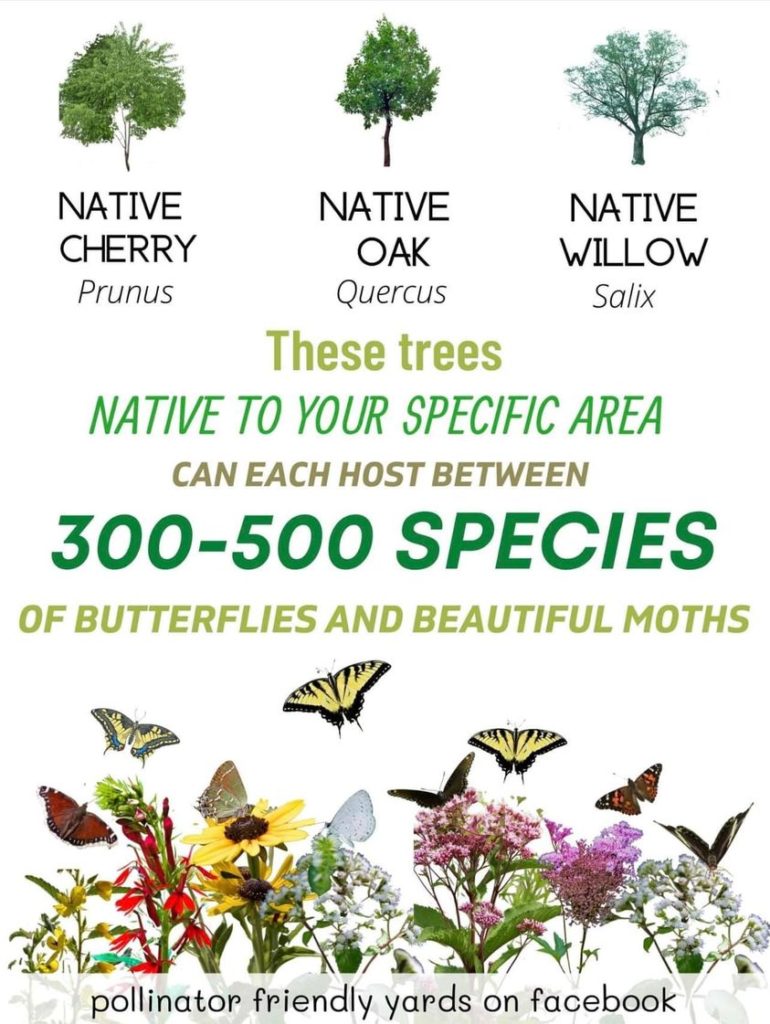
THIS is the SUPERPOWER of YOUR KEYSTONE NATIVE PLANTS.
- No exotic plant could ever achieve this.
- Want butterflies? Feed the caterpillars with keystone plants!
- Exotic plants will never support as many different species of caterpillars as the Keystone Natives can.
- Find your keystone native plants here by zip code.
If your zip code doesn’t give you enough information try zip codes of the nearest larger town or city. LINK: https://www.nwf.org/NativePlantFinder/
Trees and Shrubs
- Plant a tree for Arbor Day. Arbor Day is the first Wednesday in April in Maryland.
- Prune non-flowering trees and shrubs before new growth.
- Cut some branches (forsythia, quince, bittersweet, redbud, willow, etc.) for forcing into bloom and enjoying indoors.
- Prune fruit trees as their buds are swelling. Check for dead and diseased wood to prune out.
- Get a soil test.
- Rejuvenate holly bushes and boxwood with a hard pruning.
- Plant or transplant trees or shrubs, including berries, roses, and evergreens.
- Prune maples, dogwoods, birch, elm, walnut, and yellowwood to prevent “bleeding”.
- Gently remove layers of snow from outdoor evergreens with a broom.
- Check that newly planted trees, shrubs, and perennials have not been heaved out of the ground due to freezing and thawing cycles.
- Clean your gutters.
- Do not fertilize newly planted or transplanted plants the first year.
- Check often and water newly planted trees if they don’t pass the finger test (stick your finger deep into soil – dry? Water!)
- Prune foundation shrubs and trees to be no closer than 1 foot from the house.
- Fertilize trees, shrubs, and evergreens.
- Prune broken, dead, diseased, or damaged branches.
- Keep an eye out for bark damage from rabbits or deer.
- Check for vole problems and set out traps.
- Spray broadleaf evergreens with anti-desiccant to prevent dehydration.
- Use fallen leaves for mulch or compost.
- Weed – especially look for fast-growing vines such as honeysuckle, autumn clematis, bittersweet, wild grape, Virginia creeper, and poison ivy. Remove Ivy, Pachysandra, and other vine-like groundcover from under shrubs.
- Mulch or compost healthy leaves.
- Continue to remove fallen, diseased leaves.
- Put diseased leaves, pesticide-laden grass clippings and weed seeds in your trash — not your compost pile.
- Turn your compost pile weekly and don’t let it dry out. Work compost into your planting beds.
- Apply scale and dormant oil treatment before dormancy breaks to decrease pest infestations.
- Remove dead and dying trees.
- Pests to watch for: deer, scale, and voles.
- Diseases to watch for: Phomopsis and Kabatina of Juniper, Diplodia tip blight of 2 & 3 needled pines.
- For more tips, see UMD’s HGIC Garden Tips for more details.
Herbs, Veggies, and Fruit
- Gently clean up the garden.
- Build a raised bed for vegetables. Add lots of manure and compost.
- Plant cool-season crops (potatoes, lettuce, peas, root crops, and cole crops, including spinach, kale).
- Turn over cover crop when soil has warmed enough and is not too wet.
- Fertilize established asparagus, tree, bramble fruits, and strawberries.
- Prune grapevines.
- Divide perennials and herbs.
- Sow greens indoors or outdoors in a cold frame.
- Put up trellises and teepees for peas and beans to climb on.
- Clean and organize the garden shed.
- Till and add organic matter to annual/vegetable beds.
- Start seeds for: tomatoes, eggplants, and pepper inside.
- Prune stone fruit trees like cherries, plums, and peaches.
- Clean out your cold frame or build a new one.
- Collect large plastic soda bottles to use as cloches. (A cloche is a clear, bell-shaped cover used to protect tender plants from frost.)
- Direct-sow early, cool-season crops as soon as ground soil can be worked. Good choices are peas, lettuces, mustards, onion sets, kale, and cabbages.
- Spread ashes from wood fires on your vegetable beds.
- Avoid walking in frozen planting beds.
- Store your fertilizer and seeds in a rodent-proof container.
- Apply dormant oil spray to fruit trees.
- Pests to watch for: rabbits, deer, woodchucks, and birds.
- Diseases to watch for: Damping off of seedlings, Fire blight, Fungal, bacterial, viral diseases.
- Here are some more UMD’s HGIC Garden Tips.
Lawns
- Cut perennials and over-wintering ornamental grasses to 2-inches above ground.
- To control crabgrass, apply pre-emergent herbicide to lawn (when forsythia blooms drop).
- Fertilize when green is showing.
- Do soil preparation – add lime, compost, etc. as needed.
- Some alternatives to de-icing salts include sand, beet juice sugars, light gravel (grit), or non-clumping kitty litter. Using de-icing salts around driveways and sidewalks can harm your garden plants and turf.
- Avoid walking on frozen grass to avoid damaging the crowns.
- Turn off outdoor water valve and store hoses.
- Clean yard of leaves and other debris.
- Mulch bare areas.
- Check and tune-up power equipment (mowers and trimmers).
- Apply grub control to your lawn.
- Sharpen your lawnmower blade.
- Check and tune-up power equipment (mowers and trimmers).
- Turn your compost pile.
- Diseases to watch for: brown patch, and red thread
- Pests to watch for: Grubs
- See UMD’s HGIC Garden Tips for more details.
Indoors/Houseplants

- Repot root-bound houseplants and start fertilizing them.
- Buy an indoor plant to liven up your office space. Try an orchid or African violet.
- Repot larger plants that are going outside for the summer.
- Mist indoor plants and set up pebble trays to increase humidity.
- Deadhead flowering plants.
- Scan houseplants for insect activity.
- Maintain moisture in pots, but do not overwater!
- Give your houseplants a quarter turn every few weeks.
- Keep all houseplants out of drafts and away from heat vents.
- Keep succulents and cacti on the dry side.
- Check on your container plants daily and keep them well-watered.
- Remove old leaves, damaged stems.
- Dust your houseplants with a slightly damp cloth to prevent dust and film build-up.
- Pests to watch for: aphids, spider mites, mealybug, scale, stinkbugs, and whitefly.
- See UMD’s HGIC Garden Tips for more information.
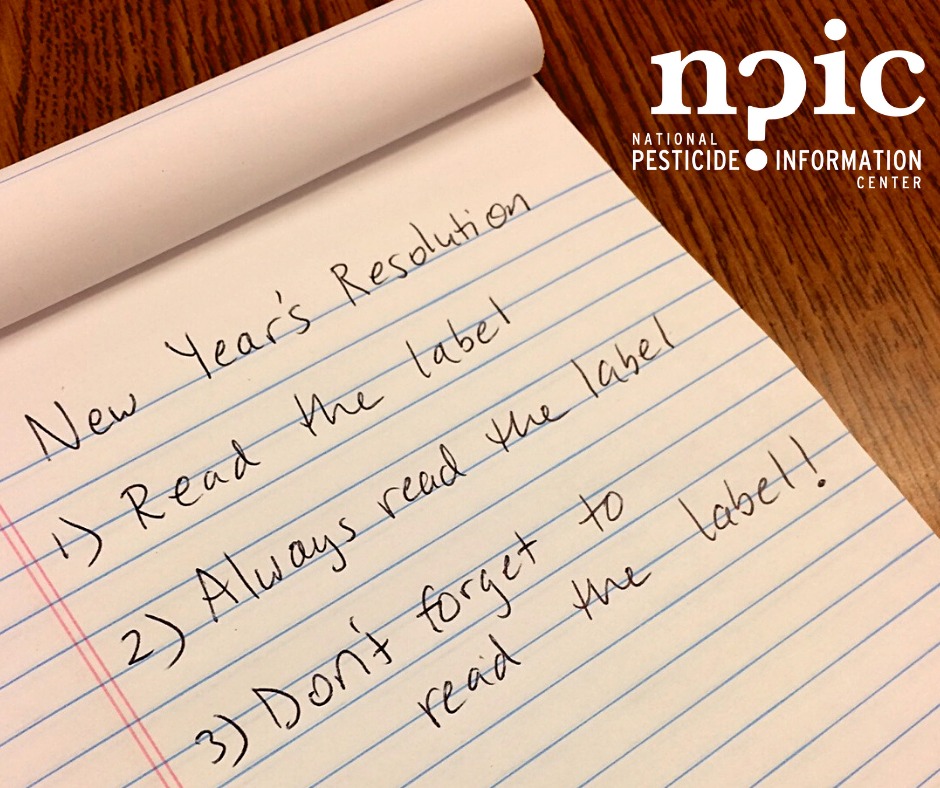
Read and follow label instructions on all pesticides and herbicides.
Start the year off by minimizing your #risk to #pesticides and always #ReadTheLabel! Learn more here: http://npic.orst.edu/health/readlabel.html
Questions about your label? Call us! 800-858-7378 M-F 8am-12pm PST
Indoor/Outdoor Insect and Wildlife Tips
- Provide nesting materials for birds (try dryer lint) as well as bird houses for the start of their family season.
- Caulk and seal your outside walls to prevent insect entry into your home.
- Check indoors for termites and ants.
- Put up birdhouses.
- Put suet out for birds.
- Keep bird feeders clean and filled and provide a source of water.
- Wash out birdbaths daily with diluted bleach solution.
- Switch your deer deterrent spray. Re-apply after heavy rains.
- Set out traps for mice, moles, and voles.
- Watch for: eggs, larvae, overwintering stage of many species, carpenter ants, flies, stink bugs, termites, rabbits, raccoons, groundhogs, deer, mice, moles, snakes, squirrels, and voles.
- For more information, see UMD’s HGIC Garden Tips.
Source: University of Maryland’s Home and Garden Information Center (HGIC) and the Washington Gardener.
See more tips from HGIC:

HGIC Backyard Gardening Zoom Sessions
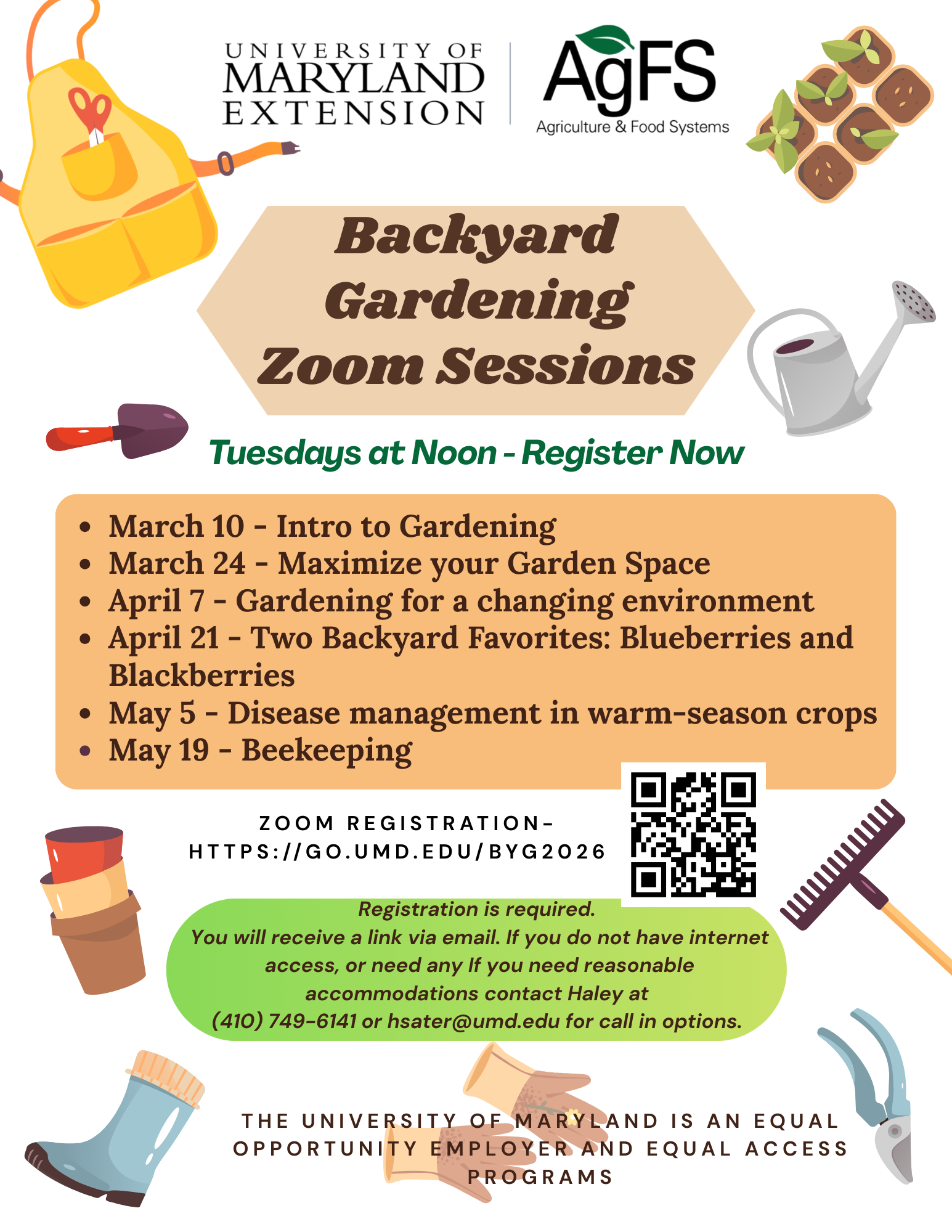
Got some brain  FOG about the upcoming gardening season? (Is all of Maryland in the clouds today?) Tune into this year’s Backyard Gardening Zoom Sessions to start thinking of warmer days and all things green!
Sessions are free, but you must register: go.umd.edu/BYG2026
If you have questions or need reasonable accommodations, please contact Haley at 410-749-6141 or hsater@umd.edu
Natives at Noon 1st Wednesday Webinars
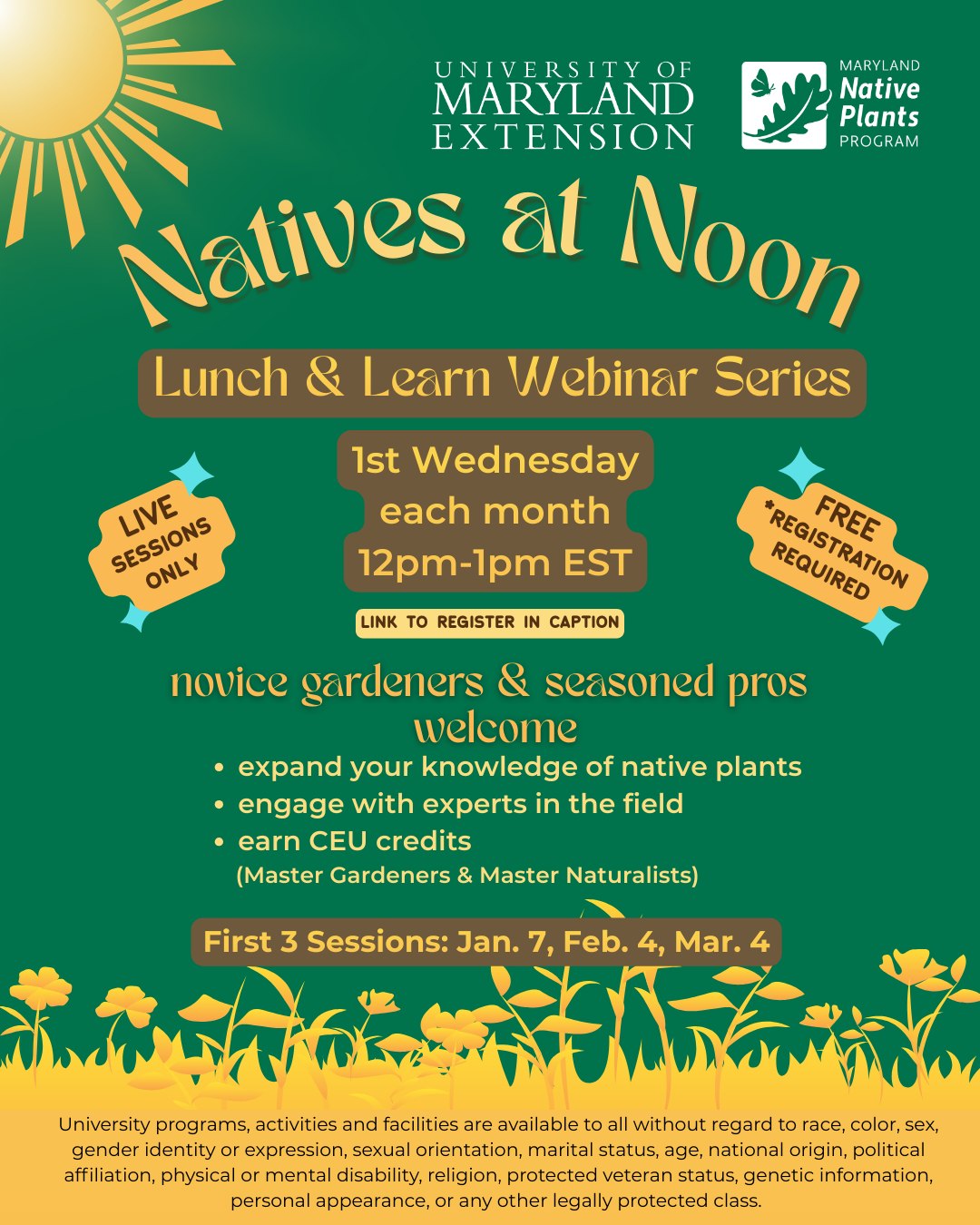
Natives at Noon: a free webinar series (registration required), brought to you by the Maryland Native Plant Program!
Join in on the first Wednesday of the month to grow your knowledge of native plants and engage with experts in related fields.
Registration link:
March 4th: https://umd.zoom.us/webinar/register/WN_n-E8Hb9ZSEyJgQM529_V7A#/registration
*Webinar will not be recorded. More dates will be posted for registration as they near.
(For an accessible version of this information, please message us.)
GARDENING 101
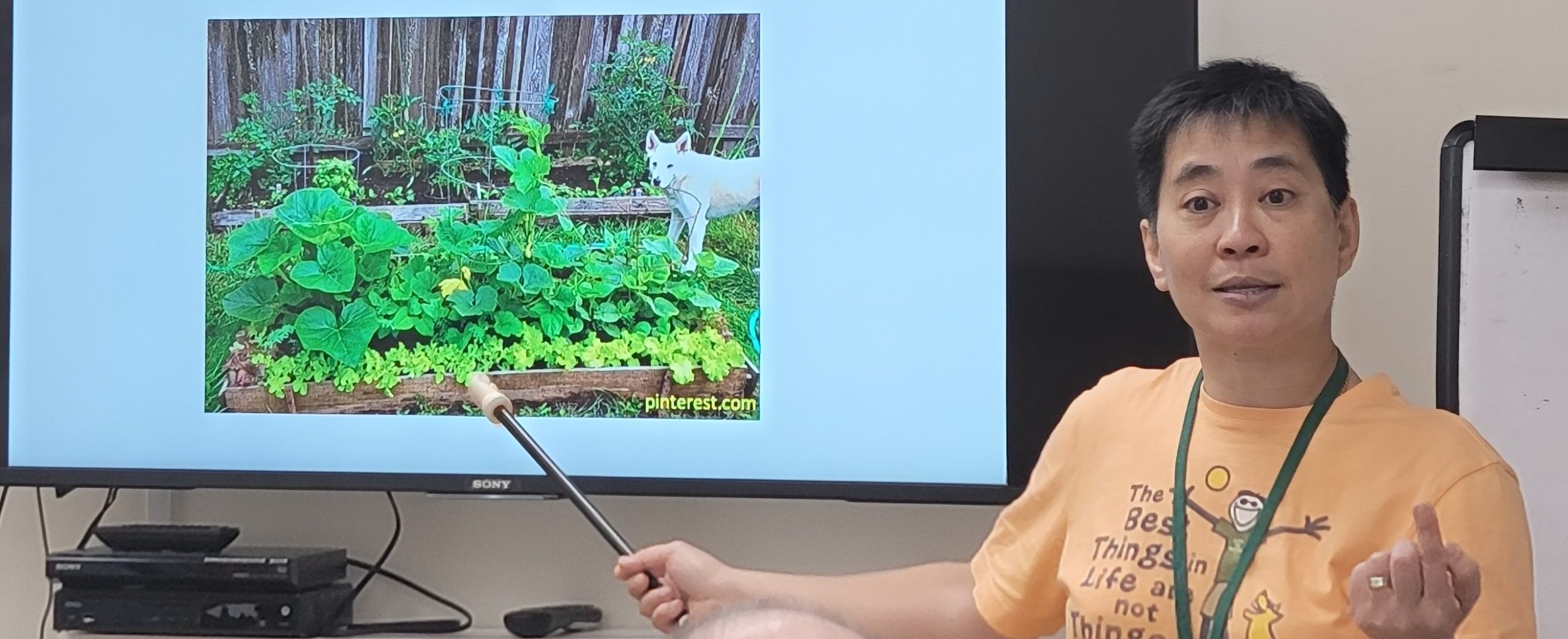
MONDAY, MAR 2 • 11 AM – NOON
Benjamin Gaither Center
80A Bureau Drive
Gaithersburg, MD 20878
301-258-6380
Join master gardener Meipo Martin for “Things you wish you knew as a novice gardener,” covering site assessments, biennials, perennials, sun and shade conditions, fertilizers, and more.
ANYONE CAN GROW POTATOES

FRIDAY, MAR 13 • 11 AM – 1 PM
Benjamin Gaither Center
80A Bureau Drive
Gaithersburg, MD 20878
301-258-6380
Join master gardener Suji Singh to learn how, when, and where to grow potatoes, the versatile crop that thrives anywhere with sunlight, even on decks or patios! The first hour covers growing techniques and joys, followed by a Q&A in the second hour.
Montgomery Parks – Events


Winter Walk
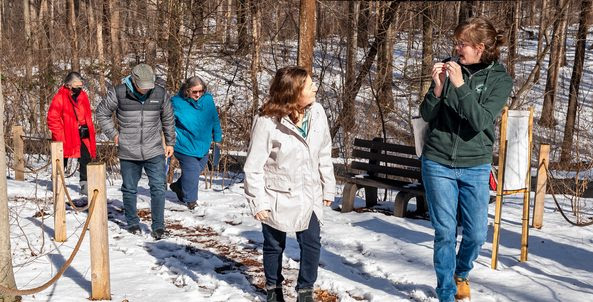
Wednesday, March 4
1 to 2 pm | All Ages
Fee: $7
Agricultural History Farm Park
18400 Muncaster Road
Redland Maryland 20855
RESCHEDULED FROM FEBRUARY 4!!!
Join us this Winter for a scenic stroll around the farm park and enjoy the quiet beauty of the season! Our friendly guides will lead you through areas of the park you may not have explored before—or that look completely different in winter. Come take in the winter beauty of the park and its surrounded fields. The walk is easy and at a relaxed pace, but be prepared for natural trails that may be snowy, muddy or uneven in places. Don’t forget to bring water and wear sturdy footwear suitable for winter walking.
We’ll meet outside the UMD Extension Building: when you reach the park’s main road, continue past the speed up and up the paved drive until you reach a large parking lot.
We walk in most weather conditions, so please dress warmly and check the forecast before you come. If conditions are unsafe, we’ll send an email to let you know if the walk is canceled. If necessary, our make-up days will be scheduled for March 4 and March 11.

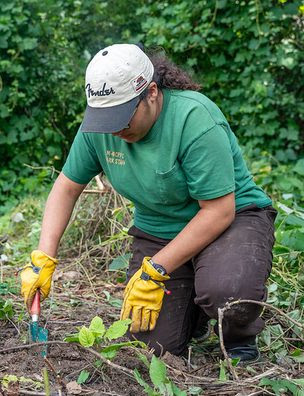
Black Hill Van Trips- Hike at Lake Roland: Wednesday, February 25 | 9 am to 3 pm | Ages 18+ | $40
Adaptive Recreation – Gardening 101: Thursdays starting March 5 through May 28 | 4 to 5 pm | Ages 18+
$50
Hike Club: Saturday, March 7 | 1:30 to 3:30pm | All Ages | $2
Wet and Wild Watersheds: Sunday, March 22 | 1 to 3 pm | Ages 6+ | FREE
Black Hill Bookworms- “Rosalie Edge, Hawk of Mercy: The Activist Who Saved Nature From The Conservationists:” Thursday, March 26 | 6 to 7 pm | Ages 16+ | FREE
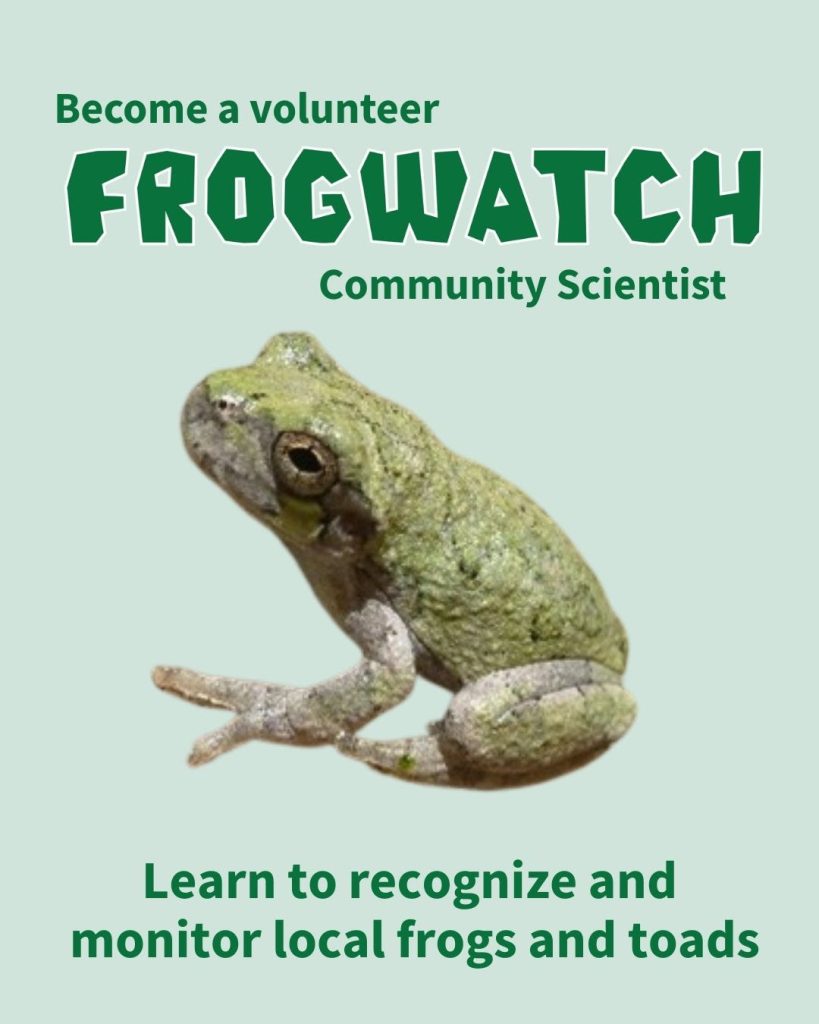
Want to immerse yourself in those herp vibes? Check out this hopping program:
Chirp & Herp Hike: Friday, March 20 | 9 to 11 am | Ages 18+ | $12 | Black Hill Discovery Center

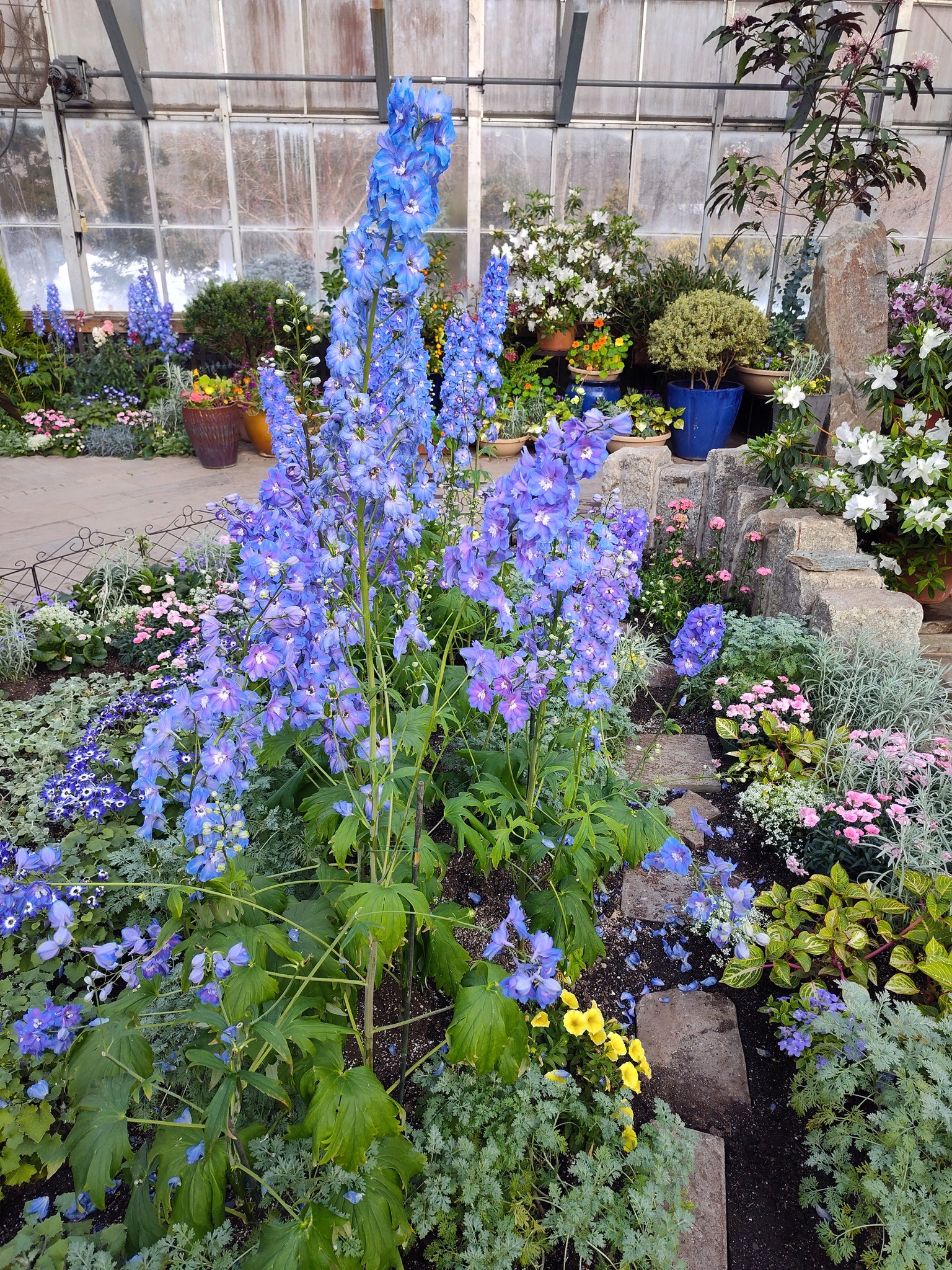
Conservatory Tour: Conservation and Collection Curation
Wednesday, March 4, 2026
10:00AM – 11:15AM
Location:
Brookside Gardens
1800 Glenallan Avenue
Wheaton, MD 20902
Fee: $12.00
Raymond Carter, Brookside Gardens Horticulturist
If the gloom of winter is getting you down, come see the absolutely stunning colors of the Mid-Winter Delight seasonal exhibit in the South Conservatory.
Join this exclusive tour of Brookside Gardens’ historic conservatory and escape the winter chill. Explore thoughtfully redesigned spaces showcasing rare tropical and subtropical plants, and curated collections. Learn the amazing conservation stories of some incredible species. Discover how collaborations with leading botanical institutions support our goals for education, plant health, and the protection of critically endangered plants, while enjoying the beauty and restorative power of gardens under glass.
Please note that the address and parking logistics will be sent in a confirmation email two days prior to the program date.

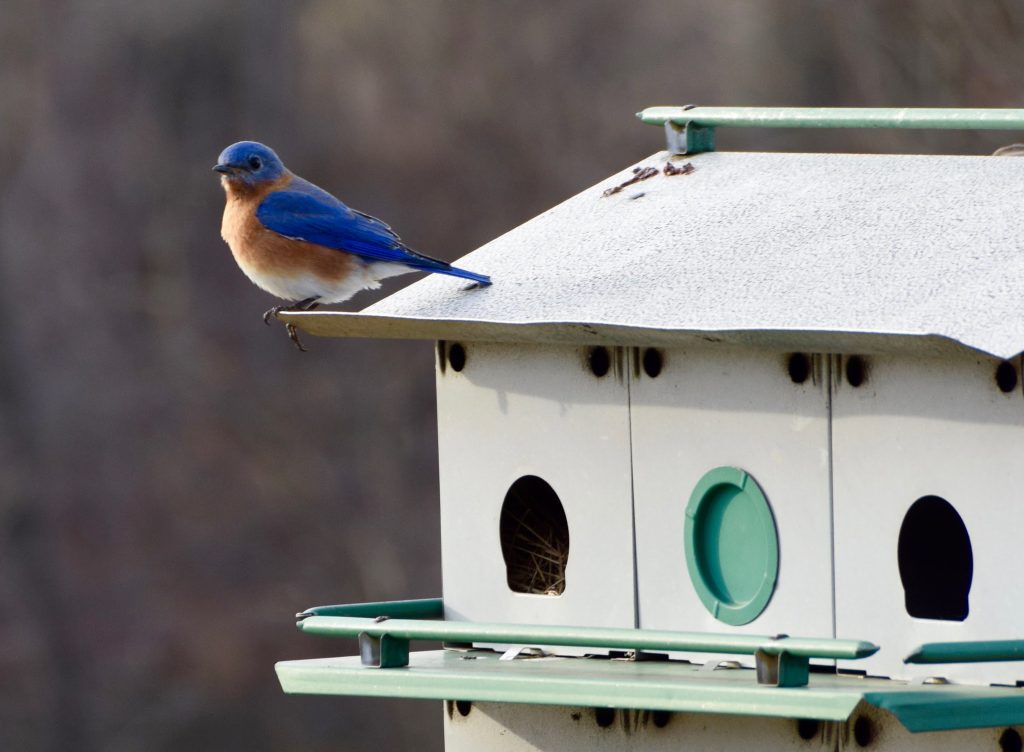
Morning Tweets & Tea- Learning Birdsong: Friday, March 6 | 9 to 10 am | Ages 18+ | FREE
Community Science Night Hike: Saturday, March 7 | 6 to 7 pm | Ages 16+ | FREE
Art in Nature- Drawing Skulls, Tracks, and Scat: Saturday, March 7 | 4:30 to 6 pm | Ages 16+ | FREE
Kids Care- Nature Night In: Saturday, March 14 | 4 to 7 pm | Ages 4 to 10 | $25
Family Nature Hikes: Saturday, March 21 | 10 to 11 am | Ages 6+ | $7
Spring Wildflower Walk: Sunday, March 22 | 10 to 11:30 am | Ages 16+ | $7
Long Life Learners – Walk with a Master Naturalist: Thursday, March 26 | 9:30 to 11 am | Ages 18+ | $7
LGBTQIA + Nature Hike: Sunday, March 29 | 11:30 to 12:30 pm | Ages 5+ | FREE
Getting Started with Native Plants – Nativescaping 101: Sunday, March 29 | 2 to 4 pm | Ages 18+ | $20
Seneca Creek State Park March Programs

Seneca Creek State Park
11950 Clopper Road
Gaithersburg, MD 20878
Here’s a link to Seneca Creek State Park’s March Programs. Featured events for March include Celebrate Spring Hike, International Women’s Day Hike, C&O Canal Eagle Nest Watch, First Day of Spring Hike, Miles for Maryland Challenge Hike, Sugaring Off: Sap Boil & Maple Syrup Demo, and more! These events are provided by The Friends of Seneca Creek State Park.
About Friends Of Seneca Creek State Park (FOSCSP)
The only State Park entirely in Montgomery County, featuring Hiking, Disc Golf, Boating, Fishing, Peony Display Garden, Recycled Tire Playground, and Winter Lights display from Nov. 27th through December 31st. Entrance is free from November through March.
The Friends of Seneca Creek State Park collect dues and donations that are used to support the visitor experience in the park. We are a 501(c)(3) designated charity, so all donations, including dues, are tax deductible as allowed by law.
Montgomery College

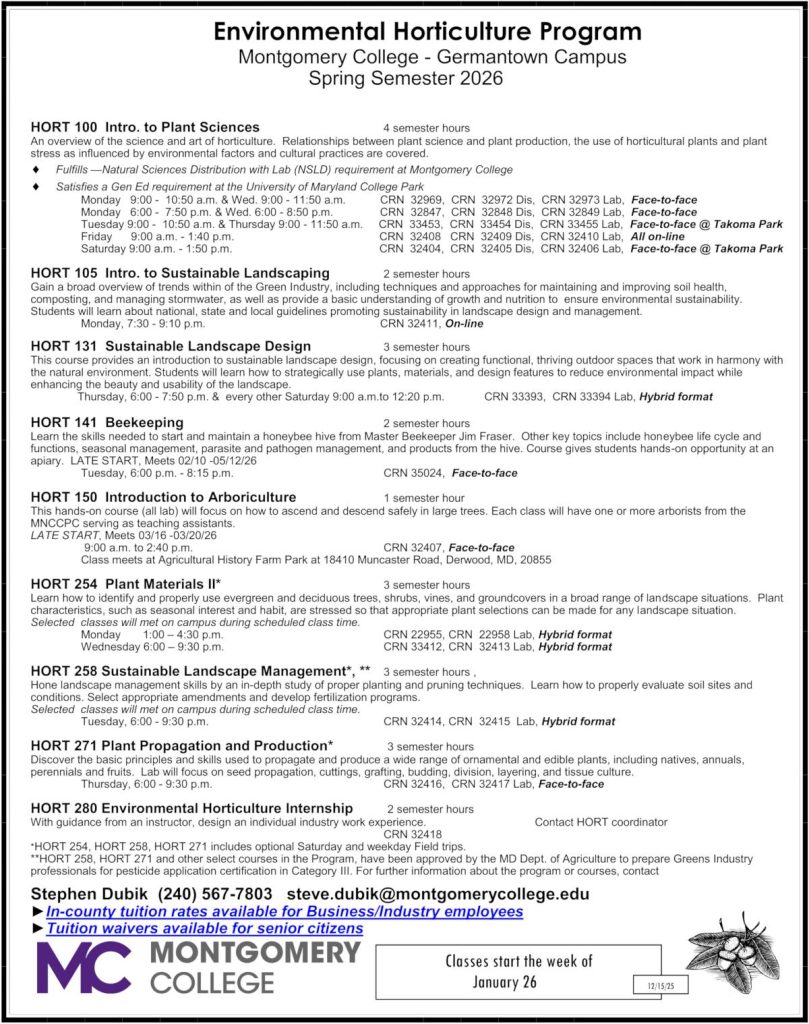
Environmental Horticulture Program – Spring 2026
Here is the Montgomery College class schedule for the Environmental Horticulture Program, Spring Semester 2026. Classes start January 26, 2026. See https://www.montgomerycollege.edu for information on registration and the full academic calendar.
Lifelong Learning Home and Garden Classes – Spring 2026
See Schedule of Spring Classes below:
| Course | Course Title | Start Date | End Date | Day(s) | Time | Location |
| LLP152 | Annuals and Perennials for Mid-Atlantic Landscape | 4/14/2026 | 4/21/2026 | T | 6:30-9:00 p.m. | RC TBD |
| LLP262 | Getting Started With Chicken Keeping and Eggs | 4/13/2026 | 5/4/2026 | M | 6:00-8:00 p.m. | RC TBD |
Let’s Talk Gardens
Thursdays 12 to 1 p.m.
Smithsonian Gardens
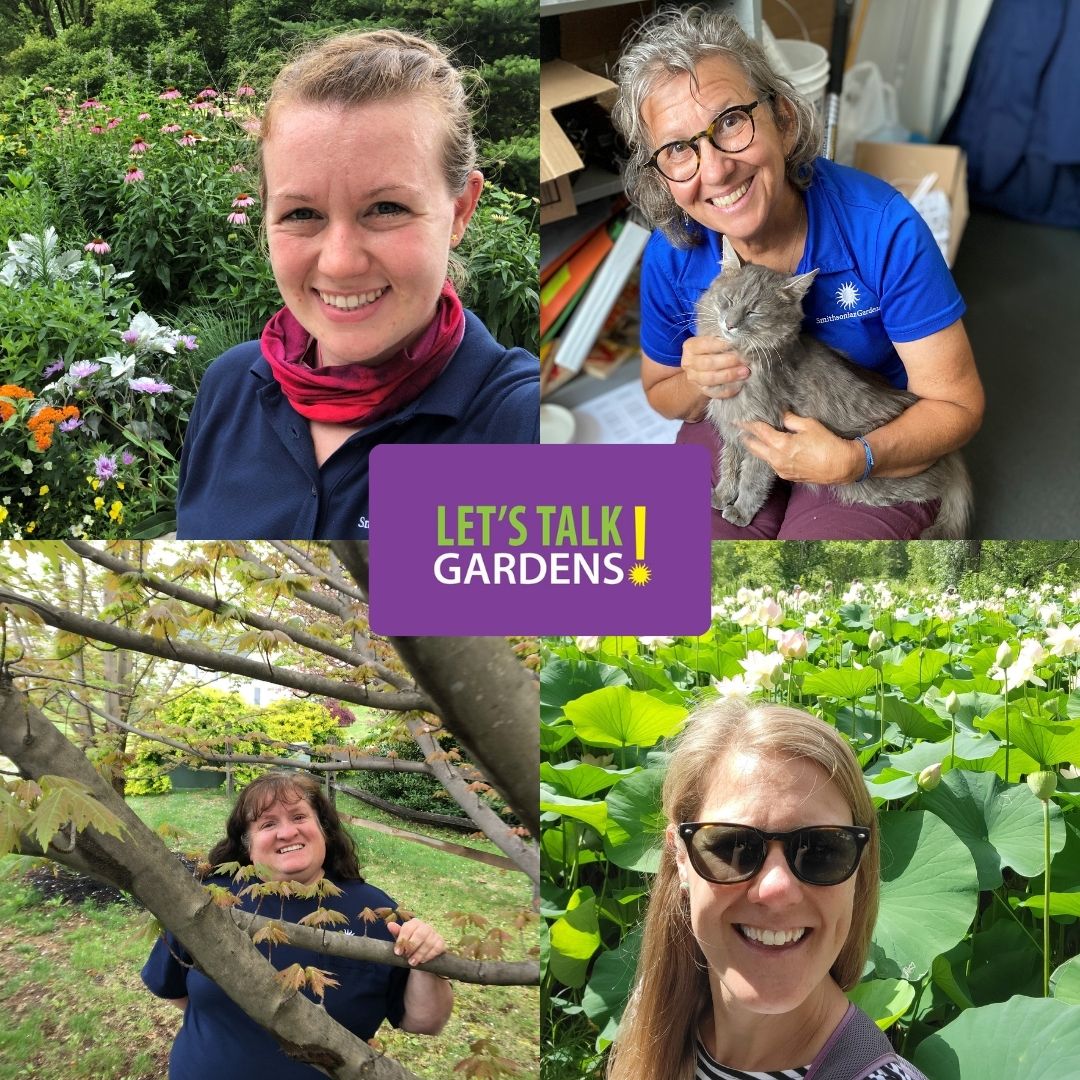
“Grow” your gardening know-how! Our free online gardening program, Let’s Talk Gardens, covers a wide range of topics presented by our own professional staff, as well as guest speakers.
And we encourage you to watch videos in our Let’s Talk Gardens Video Library.