Hello Friends, Neighbors, Fellow Gardeners,
Happy Fall Season! It’s harvest time, enjoy your fall garden crops! Here are some garden tips, educational opportunities, and videos for September. Some upcoming events/resources include Fall Plant Sales, PlantNative Nativescaping Series, Wednesday Water Webinars, Montgomery County Master Gardeners Garden Discovery, Birdability Week 2025 – October 20 – 26, Master Gardener Lectures – All About Chiles, Brookside Garden Events: In-Person and Virtual Programs, Behind-the-Scenes Greenhouse Tour, Nature Walk: Native Plants, Pollinators, and Edible Gardens, Doug Tallamy’s “How Can I Help? Saving Nature with Your Yard” Talk, 2025 H20 Summit, Urban Tree Summit, Harvest Festival at Agricultural History Farm Park, Seneca Creek State Park September Programs, Montgomery College Lifelong Learning Home and Garden Classes – Fall 2025, and more! A lot of gardening events are announced on Facebook as well as on our website. These events will be hosted as online or in-person events.
Planning Tips
- It’s harvest time and also a good time to start taking stock of what worked well for you this season and what didn’t.
- Take advantage of plant sales.
- Begin planning for fall plantings.
- Order garlic, onions, and shallots for fall planting.
- Get your fall bulb order in soon for best availability.
- Start collecting plant seeds for next year and for trading.
- Check out gardening books from your local library to read on vacation.
- Check your local garden center for mid-summer bargains.
- Take garden photos and make notes in your garden journal.
- Pick up new gardening books and magazines for inspiration.
- Volunteer at a local public or historic garden.
- Plan for 2026 with these Free resources: Landscaping with Native Plants by the Maryland Native Plant Society, Plant Invaders of Mid-Atlantic Natural Areas by the National Park Service, Master Gardeners of Northern Virginia Reading Room. Visit our Online Gardening Resources page for more helpful online resources.
- Buy a good gardening book or magazine subscription for a gift for your favorite gardener.
- Have a question about gardening? Check the University of Maryland Extension’s New Maryland Grows blog for garden tips.
Join Mill Creek Towne Garden Club!
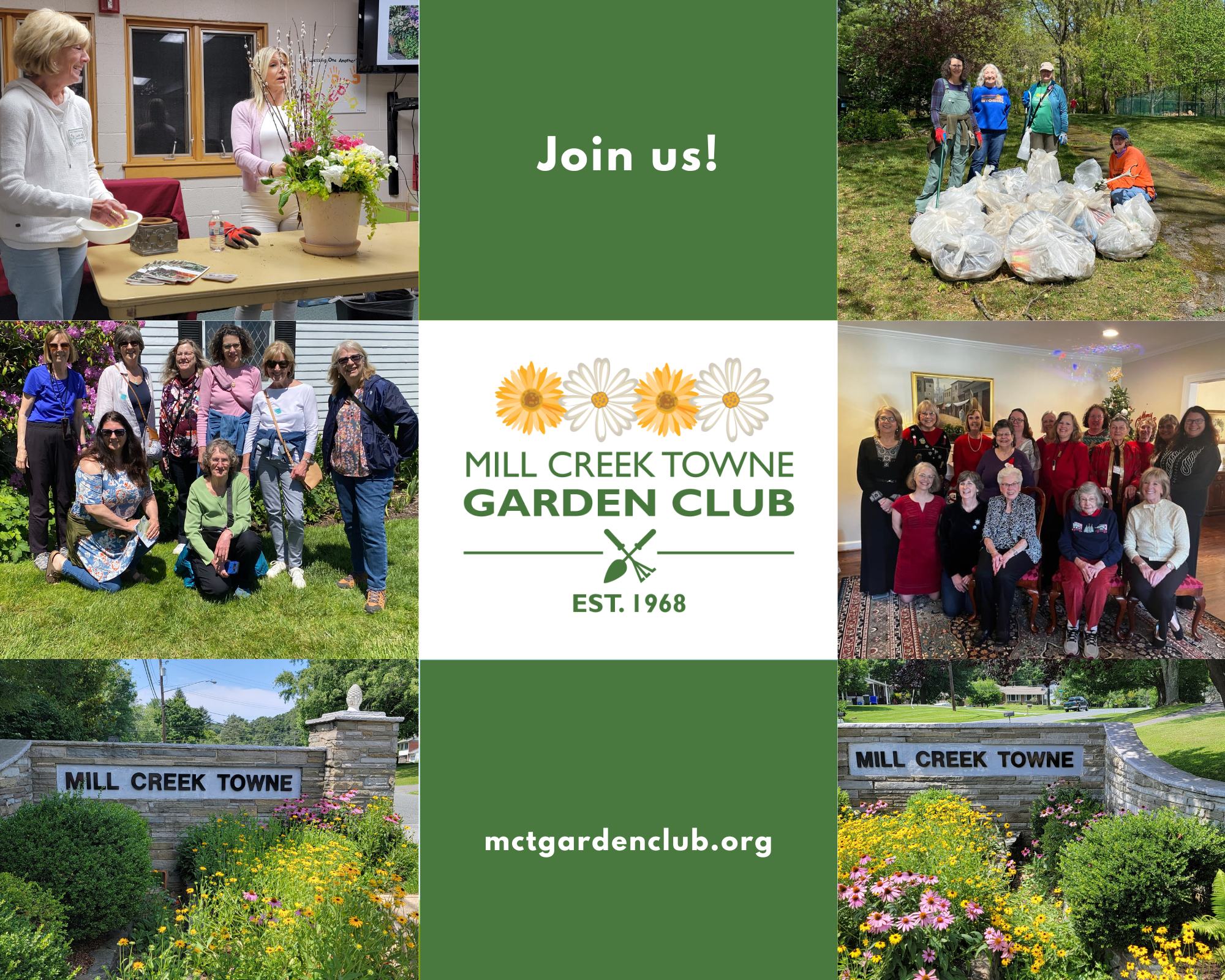
- Are you interested in gardening? Perhaps you’re a beginner, looking to learn more, or an experienced gardener interested in sharing your experiences and learning from others?
- Are you interested in making your home and community a more beautiful place to live?
- Are you interested in getting more involved in your community and getting to know your neighbors better?
Visit Our MCT Garden Club Website for Gardening Resources

- Local Gardening Resources: Looking for a Master Gardener as a guest speaker, need gardening advice, or want to learn about resources in or near Mill Creek Towne? Visit our Resources page for details.
- MCTGC Blog: Check our monthly blog for garden tips and local/online garden-related events.
- Gardening Books: Looking for a gift for your favorite gardener? Visit our Gardening Books Resources page for holiday gift ideas.
- Local Gardens: Visit our Local Gardens page to learn about local gardens in our area.
- Montgomery County Farmers’ Markets: Support our local farmers. Check this page to learn about local farmers markets in our area or join a CSA and get fresh local produce year-round!
- Online Gardening Resources: Looking for gardening apps or online resources to help with your gardening? Check out our Online Gardening Resources page for some apps for your smartphone and online gardening resources focused on the DMV area.
- Recipes: Looking for a recipe for your home-grown veggies and fruit? Check our Recipes page for ideas.

Maryland Grows Blog
In weekly posts on MD HGIC’s blog, learn about pollinator conservation, growing native plants and food, and how to solve plant pest and disease problems.
Featured Article
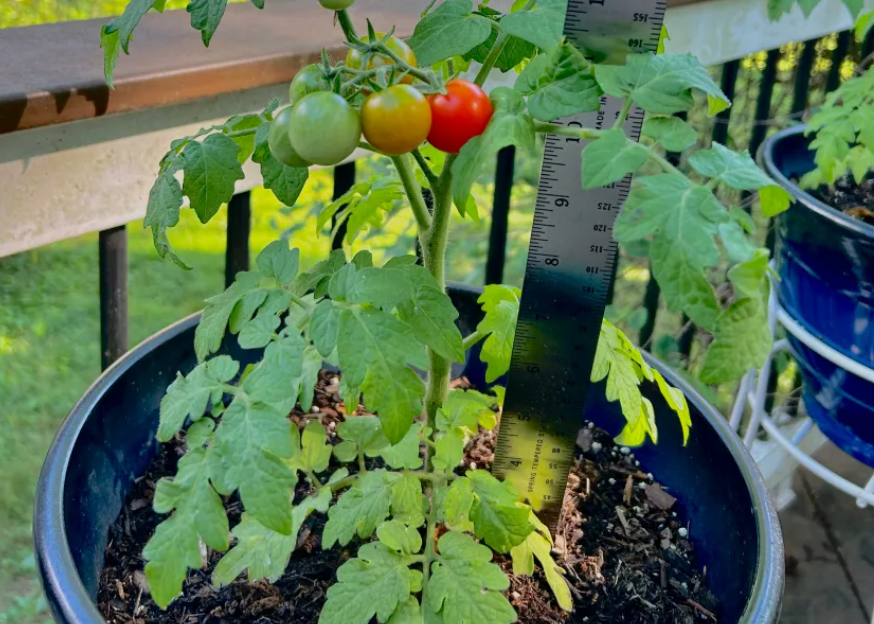
It’s too Darn Hot: Garden Schemes for Sweltering Days
Principal Agent Associate Annette Cormany shares garden tips for excessive heat.
Other Timely Topics
MD HGIC Video Tips
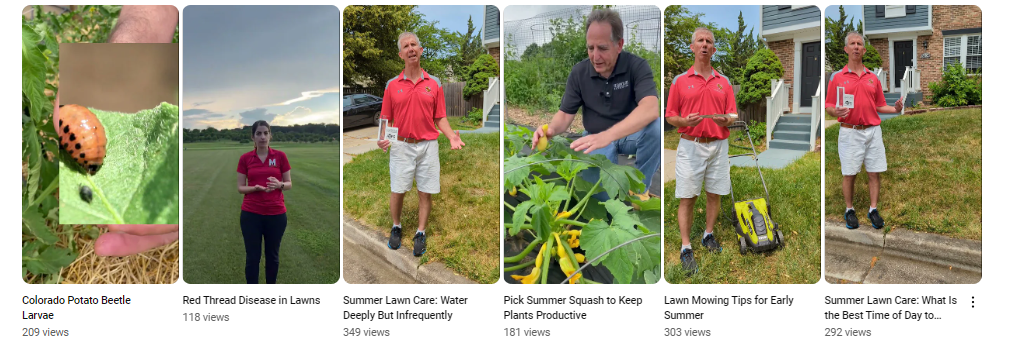
Our Extension experts are sharing one-minute video tips to help you in the garden this summer. We’re talking about pest management in the vegetable garden, tree and lawn diseases, native plants, mowing lawns, and more!
For more information, please visit:
 |
|
What can Master Gardeners do for you?
- Help you select and care for annual and perennial plants, shrubs and trees.
- Determine if you need to test your soil.
- Provide you with information on lawn care.
- Identify weeds, beneficial and noxious insects, and plant diseases and remedies.
- Teach you how to use pesticides, mulch and compost.
- Guide you in pruning trees and shrubs.
- Provide you with options for managing wildlife.
- Provide you with gardening resources.
- Help you submit a plant sample for diagnosis
Plant Clinics are held at several sites in the county on a weekly basis and at special events such as garden festivals and the county fair. Regularly scheduled Plant Clinics are located at public libraries and farmers’ markets throughout the county as well as at the Audubon Naturalist Society in Chevy Chase. There are also clinics three days per week at Brookside Gardens. The busiest season is April through September, but some clinics are open year-round. Bring your plant samples and questions to one of these locations in Montgomery County, MD (see link below to find a location near you):
https://extension.umd.edu/mg/locations/plant-clinics
UMD Home and Garden Information Center: Ask a Master Gardener

Do you have a gardening question? Our Certified Professional Horticulturists, faculty, and Master Gardener Volunteers are ready to answer – year-round!
See below to ask a master gardener a question on the UMD Extension website:
Buy Fresh Produce and Support Farms at County Farmers Markets
SATURDAYS, 9AM – 1PM
Until OCTOBER 11, 2025
16501 Redland Road, Rockville, MD 20855
Visit the Derwood Farmers Market on Saturdays and enjoy the amazing flavors our food and beverage vendors are bringing to the table! Whether you’re planning your market brunch, stocking up on fresh-baked treats, or cooling off with a smoothie, there’s something delicious waiting for you. Our market participates in nutrition assistance programs including eWIC & matching dollars for SNAP. The Derwood Market also collects food scraps for composting through a partnership with the Department of Environmental Protection.
Ready to plan your first taste adventure? See the full list of vendors here:
www.milkladymarkets.org/derwood-market
We can’t wait to see you! Let’s celebrate fresh flavors, good company, and our amazing community together.
Maryland’s Best Native Plant Program
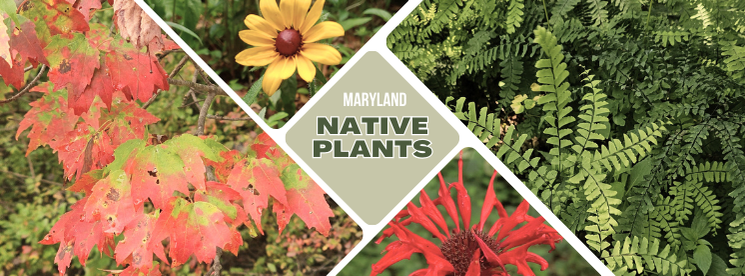
The Maryland Department of Agriculture (MDA) in partnership with University of Maryland Extension, the Department of Natural Resources, and the Maryland Native Plant Society is proud to introduce the MDA’s Maryland’s Best Native Plant Program.
This program aims to bring education, awareness, and recognition to consumers and producers about the importance of native plants by:
- creating a Commercial Maryland Native Plant List to help nurseries and consumers choose the most attractive and best plants for the environment
- recognizing retailers, wholesalers, and growers who are selling native plants via a tiered (bronze, silver, gold), voluntary certification program, and helping consumers know where to buy native plants
- providing marketing materials- including a MD Native Plant logo- to help consumers identify what’s native to Maryland
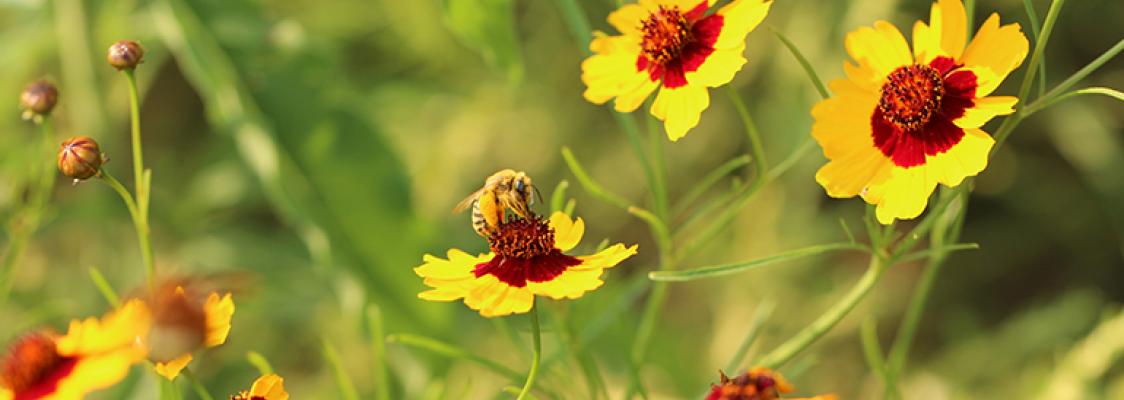
Check out the revised list of Mid-Atlantic native plants for pollinators and beneficial insects, from the Xerces Society.
Flowers and Groundcovers
- Begin replanting pots with hardy annuals. Plant newly purchased plants. Continue to deadhead.
- Remove spent annuals and replace with fall annuals. Water deeply.
- Cut fully yellow lily stalks.
- Start planting spring bulbs.
- Fertilize established bulb beds.
- Divide and transplant perennials – in particular, Iris and Peonies.
- Cut foliage of irises to 2″.
- As the days get cooler, plant hardy mums and fall season annuals.
- Take cuttings from coleus and begonias to propogate and over-winter indoors.
- Dig up bulbs from your Gladiolus, Canna, Caladiums, and other tender bulbs; cut off foliage; let dry for a week; and store for the winter.
- Water thoroughly, especially if you receive no rain for more than seven days.
- Annuals are now hitting their peak. Keep them well-watered and add a little liquid fertilizer every few weeks to keep them going through September.
- Renew your container plantings, which may be looking a bit ragged at this point. Pinch back overgrown plants. Pull out any spent ones and pop in some substitute annuals or mums. Keep them well-watered and add a little liquid fertilizer every few weeks to keep them going through early autumn.
- Inspect for powdery mildew. If seen, prune back perennials to create needed circulation. Discard properly (i.e., not in your compost bin).
- Rake up weeds and their seedlings, especially look for fast-growing vines such as honeysuckle, autumn clematis, bittersweet, wild grape, Virginia creeper, and poison ivy.
- Pests to watch for: Aphids, 4-lined plant bug, slugs, snails, spidermites, deer, voles, and whiteflies.
- Diseases to watch for: Blackspot on roses; powdery mildew, rust, bacterial diseases
- See UMD’s HGIC Garden Tips for more details.
- For a list of native plant resources, visit: https://extension.umd.edu/hgic/topics/native-plant-resources

5 Million Trees Initiative
Maryland’s goal is to plant and maintain 5 million native trees by 2031. There are various ways you can get involved – plant trees and register them — or volunteer! A number of tree-planting assistance programs are available at the municipal, county, and state levels.

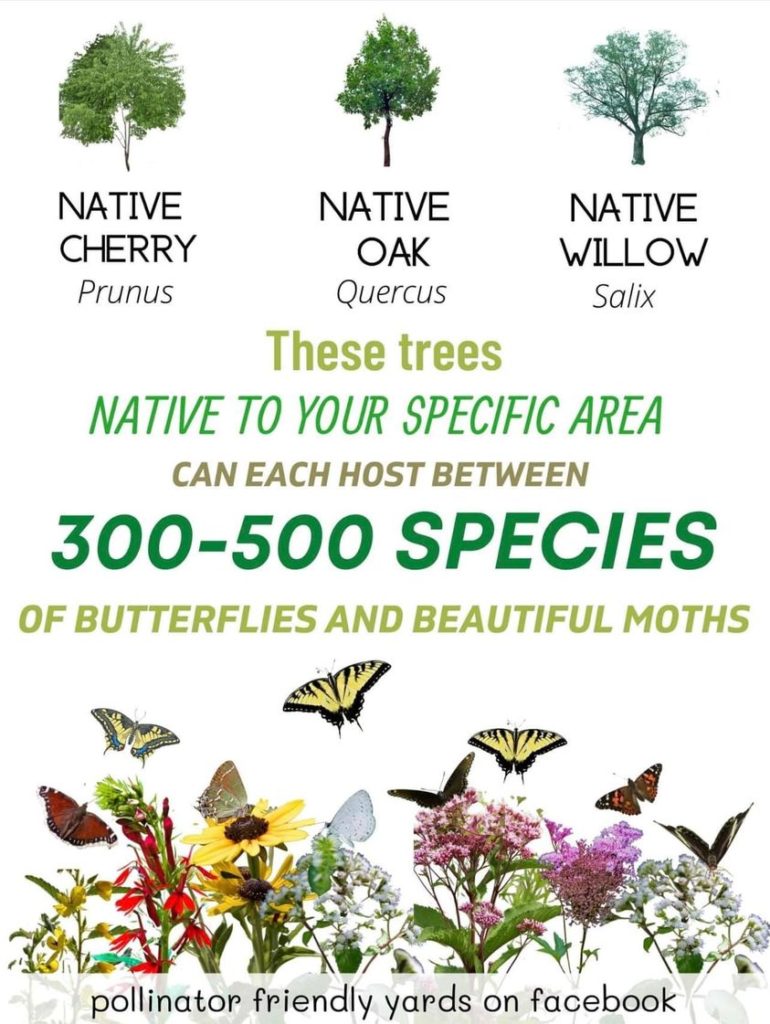
THIS is the SUPERPOWER of YOUR KEYSTONE NATIVE PLANTS.
- No exotic plant could ever achieve this.
- Want butterflies? Feed the caterpillars with keystone plants!
- Exotic plants will never support as many different species of caterpillars as the Keystone Natives can.
- Find your keystone native plants here by zip code.
If your zip code doesn’t give you enough information try zip codes of the nearest larger town or city. LINK: https://www.nwf.org/NativePlantFinder/
Trees and Shrubs
- Transplant trees when leaves begin to color.
- Water slowly and deeply if weather is very dry.
- Fertilize if necessary for the last time this season.
- Avoid late summer pruning.
- If your conifers start shedding their needles or your spring bulb foliage starts peeking out of the ground, don’t worry. This is normal for our autumn cycle.
- Look out for any Poison Ivy vines, which will turn crimson in the fall and be easy to distinguish from other vines.
- Thin out small trees and cut off any suckering branches growing from the bottom root ball.
- Prune foundation shrubs and trees to be no closer than 1 foot from the house.
- Remove rotting fruits from fruit trees and compost them.
- Prune and thin shrubs that have already flowered.
- Take cuttings from azaleas, boxwoods, and camellias to start new plants.
- Contact a certified arborist to have your trees’ health inspected.
- Directly after blooming, prune flowering shrubs and vines.
- Water shrubs and trees deeply during any dry spells.
- IF YOU MUST MULCH: Remove old mulch, then add 2″ – 3″ shredded pine or pine needles, keeping away from trunk.
- Do not fertilize newly planted or transplanted plants the first year.
- Soil test established trees that have not been performing well.
- Plant evergreens for winter interest.
- Keep mowers and trimmers away from trunks!
- Prune broken, dead, diseased, or damaged branches.
- Keep an eye out for bark damage from rabbits or deer.
- Check often and water newly planted trees if they don’t pass the finger test (stick your finger deep into soil – dry? Water!)
- Check for vole problems and set out traps.
- Spray broadleaf evergreens with anti-desiccant to prevent dehydration.
- Use fallen leaves for mulch or compost.
- Remove Ivy, Pachysandra, and other vine-like groundcover from under shrubs.
- Mulch or compost healthy leaves.
- Continue to remove fallen, diseased leaves.
- Put diseased leaves, pesticide-laden grass clippings and weed seeds in your trash — not your compost pile.
- Turn your compost pile weekly and don’t let it dry out. Work compost into your planting beds.
- Apply dormant oil treatment to ornamentals and fruit trees before dormancy breaks.
- Remove dead and dying trees.
- Pests to watch for: adelgids, aphids, azalea lacebug, bagworms, borers, caterpillars, Gypsy moths, scale, sawfly, spidermites, leafminers, webworm, deer, and voles.
- Diseases to watch for: Anthracnose, Exobasidium gall on azaleas, Apple scab Cedar-apple hawthorn or quince rust, Verticillium wilt, Oak leaf blister, Phytophthora, top dieback and root rot on azaleas.
- For more tips, see UMD’s HGIC Garden Tips for more details.
Herbs, Veggies, and Fruit
- Pick apples at a local pick-your-own farm or visit a local farmer’s market.
- Pot up rosemary and chives for over-wintering indoors.
- Pick mature tomatoes and peppers to ripen on your window sills.
- Plant garlic bulbs.
- Collect seeds for next year’s planting and for trading at seed exchanges.
- Harvest your herbs often and keep them trimmed back to encourage leafy growth.
- Watch your pumpkins/squash. Harvest them when their rinds are dull and hard.
- Cut herbs for drying indoors.
- Plant strawberries in a site with good drainage for harvest next spring.
- Plant cover crops in vegetable gardens and annual beds (for example, rye, clover, hairy vetch, and winter peas).
- Preserve gourds and dry flowers for display in the fall.
- Cut off bottom, yellow foliage on tomato plants.
- Harvest regularly from your vegetable garden to prevent rot and waste.
- Deadhead garlic chives before they go to seed. Makes a nice cut-flower.
- Harvest onions when tops die back.
- Fertilize according to University of Maryland recommendations.
- Water deeply when needed.
- Start planting fall crops.
- Dig up garlic when the tops turn brown. Let dry in the sun, then store.
- Divide perennials and herbs.
- Prune fruit trees as their buds are swelling. Check for dead and diseased wood to prune out.
- Remove finished plants.
- Cover strawberry beds with straw or pine needles.
- Apply dormant oil spray to fruit trees.
- Pests to watch for: Asparagus beetle, aphids, cabbage worms, corn borer, corn earworm, cutworms, squash vine borer, tomato hornworm, rabbits, deer, woodchucks, and birds.
- Diseases to watch for: Powdery mildew, Fungal, bacterial, viral diseases.
- Here are some more UMD’s HGIC Garden Tips.
Lawns
- Cool-season lawns go dormant in hot, dry weather — Do not water.
- Plug-aerate when soil is moist.
- Divide ornamental grasses.
- Begin mowing leaves into turf to add organic matter and nutrients.
- Fertilize tall fescue and bluegrass with 1 lb. Nitrogen per 1000 feet.
- Let the lawn go dormant for now; it will green back up in the coming rains.
- Over seeding may be done now through October.
- Keep newly seeded lawns well watered!
- Water established lawns deeply but infrequently!
- Mow grass at 3 inches and leave the clippings on the lawn.
- Mow zoysia grass at 2″
- Test soil if you haven’t already.
- Clean yard of leaves and other debris.
- Mulch bare areas.
- Get your lawnmower serviced.
- Keep newly seeded lawns well watered.
- Apply grub control to your lawn.
- Apply fertilizer and lime to turfgrass based on soil tests and UME recommendations.
- Sharpen your lawnmower blade.
- Check and tune-up power equipment (mowers and trimmers).
- Turn your compost pile.
- Diseases to watch for: brown patch, and red thread
- Pests to watch for: Grubs
- See UMD’s HGIC Garden Tips for more details.
Indoors/Houseplants

- Bring in tender plants before night temps dip to 60 degrees.
- Bring in houseplants if you took them out for the summer.
- Take cuttings of plants you want to overwinter inside and place in water.
- Begin conditioning Christmas cactus and Poinsettias indoors in preparation for holiday blooming. Fertilize them and put them where they’ll get just 10 hours’ bright light per day.
- Bring Amaryllis indoors before a hard freeze. Repot every other year at this time. Store in a cool, dark place and do not water until flower buds or leaves emerge.
- Caulk and seal your outside walls to prevent insect entry into your home.
- Check for any stagnant water mosquito breeding grounds, especially your gutters. Dump out any standing water that sits stagnant for more than three days.
- Add Mosquito Dunks to any standing water in your yard such as birdbaths, downspouts, plant saucers, and gutters.
- Check your plants at night with a flashlight for any night-feeding insects like slugs.
- If you find slug damage, set out beer traps or Sluggo pellets.
- Check indoors for termites and ants.
- Scan houseplants for insect activity.
- Start/keep fertilizing your indoor plants.
- Maintain moisture in pots, but do not overwater!
- Clean the leaves of your indoor houseplants to prevent dust and film build-up.
- Give your houseplants a quarter turn every few weeks.
- Keep all houseplants out of drafts and away from heat vents.
- Keep succulents and cacti on the dry side.
- Check on your container plants daily and keep them well-watered.
- Remove old leaves, damaged stems.
- Pinch out growing tips of leggy cuttings and plants that are overwintering.
- Clean the leaves of your indoor houseplants to prevent dust and film build-up.
- Pests to watch for: aphids, spider mites, mealybug, scale, and whitefly.
- See UMD’s HGIC Garden Tips for more information.
Read and follow label instructions on all pesticides and herbicides.
Start the year off by minimizing your #risk to #pesticides and always #ReadTheLabel! Learn more here: http://npic.orst.edu/health/readlabel.html
Questions about your label? Call us! 800-858-7378 M-F 8am-12pm PST
Navigating the Spotted Lanternfly Buzz Webinar (see below)
Indoor/Outdoor Insect and Wildlife Tips
- Hand-pick Japanese Beetles or shake them off over a bucket of dishwater.
- Watch for insect and disease problems throughout your garden.
- Look out for slug eggs grouped under sticks and stones – they are the size of BBs and pale in color.
- Ticks are very active now.
- Set out traps for mice, moles, and voles.
- Watch for slug damage and set out traps or Sluggo bait.
- Check for mosquito breeding grounds. Dump out any water that sits stagnant for more than three days.
- Hand-pick or cut out any bagworm cocoons.
- Put up birdhouses.
- Put suet out for birds.
- Leave hummingbird feeders out until October 15.
- Make hummingbird food by boiling two cups sugar in four cups water.
- Keep bird feeders clean and filled and provide a source of water.
- Wash out birdbaths daily with diluted bleach solution.
- Switch your deer deterrent spray.
- Set out traps for mice, moles, and voles.
- Remove and destroy gypsy moth egg masses.
- Watch for: eggs, larvae, overwintering stage of many species, carpenter ants, flies, stink bugs, termites, rabbits, raccoons, groundhogs, deer, mice, moles, snakes, squirrels, and voles.
- For more information, see UMD’s HGIC Garden Tips.
Source: University of Maryland’s Home and Garden Information Center (HGIC) and the Washington Gardener.
See more tips from HGIC:

Fall Plant Sales
Our plant sales are back for all your fall gardening needs. Reward your garden with gorgeous native plants of all sizes and help support the efforts of our nature centers.
Native Fall Plant Sale at Pope Farm Nursery on September 20 and 21
Brookside Gardens Fall Plant Sale on September 13
PlantNative Nativescaping Series
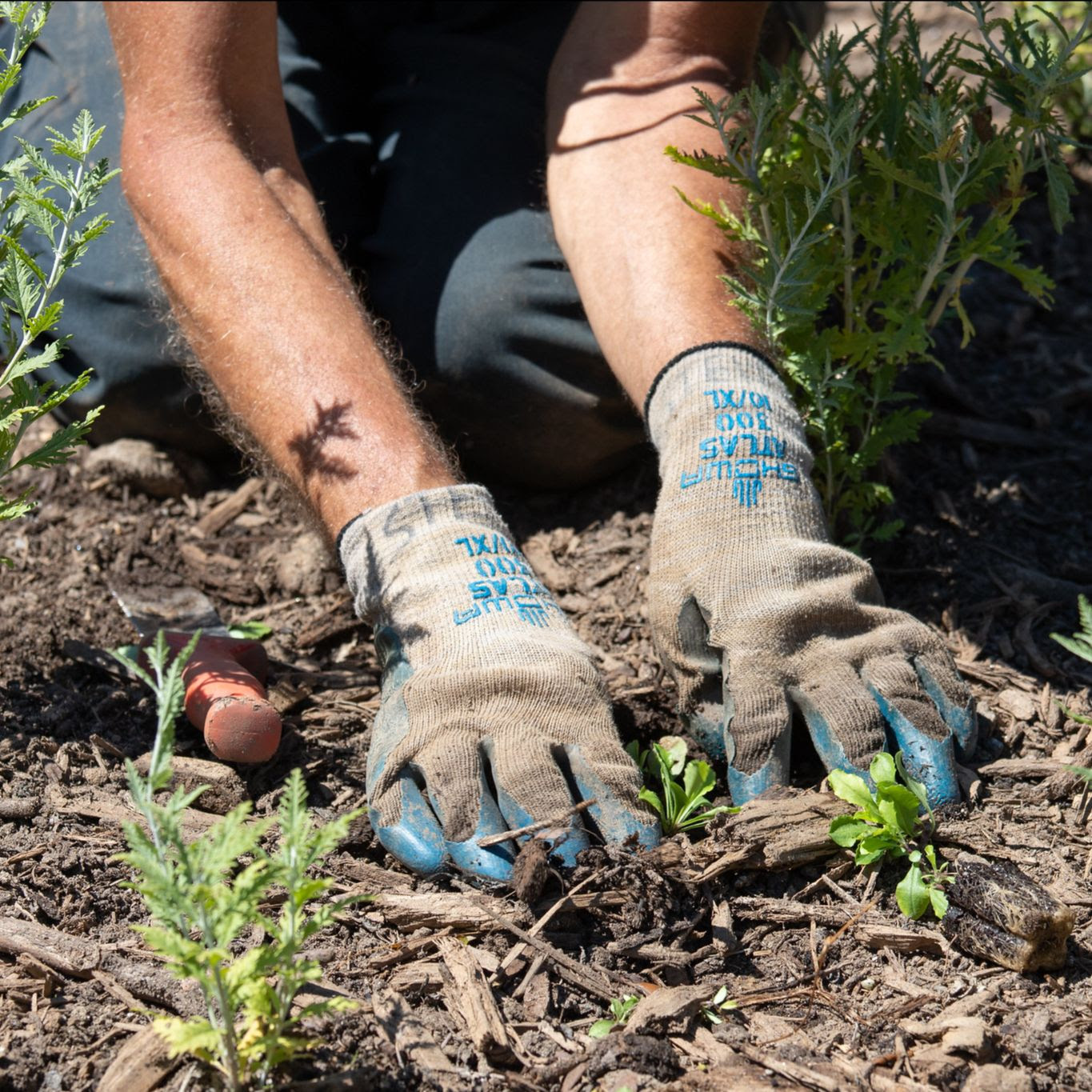
Learn the importance of native plants in our ecosystem and how you can do your part, all leading up to our Fall Plant Sale!
Gardening with Your Body: Sunday, September 14 | 2 to 4 pm | Ages 18+ | $20
Pope Farm Plant Sale Tour: Saturday, September 20 and Sunday, September 21 | 1 to 1:30 pm | Ages 18+ | FREE
Wednesday Water Webinars

University of Maryland Extension will be hosting monthly webinars on various water quality related topics. Join Andrew Lazur, Water Quality Specialist, as he dives into water topics that affect us all. These webinars will take place via Zoom on the dates shown below, allowing time for Q & A at the end.
Montgomery County Master Gardeners Garden Discovery | Sept. 2025
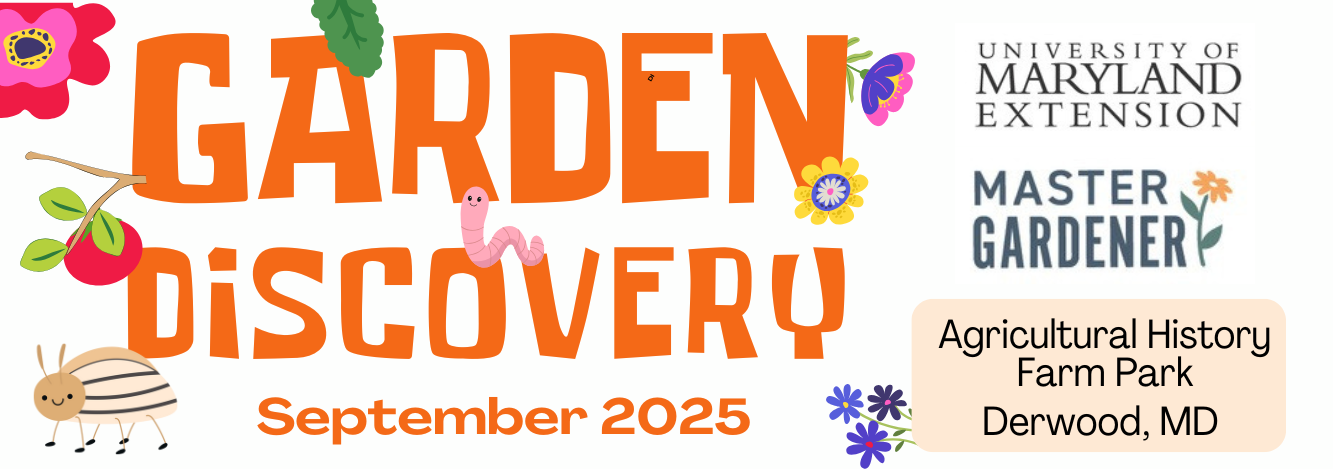
Savor the end of summer and welcome fall with hands-on learning! 🌳🌳
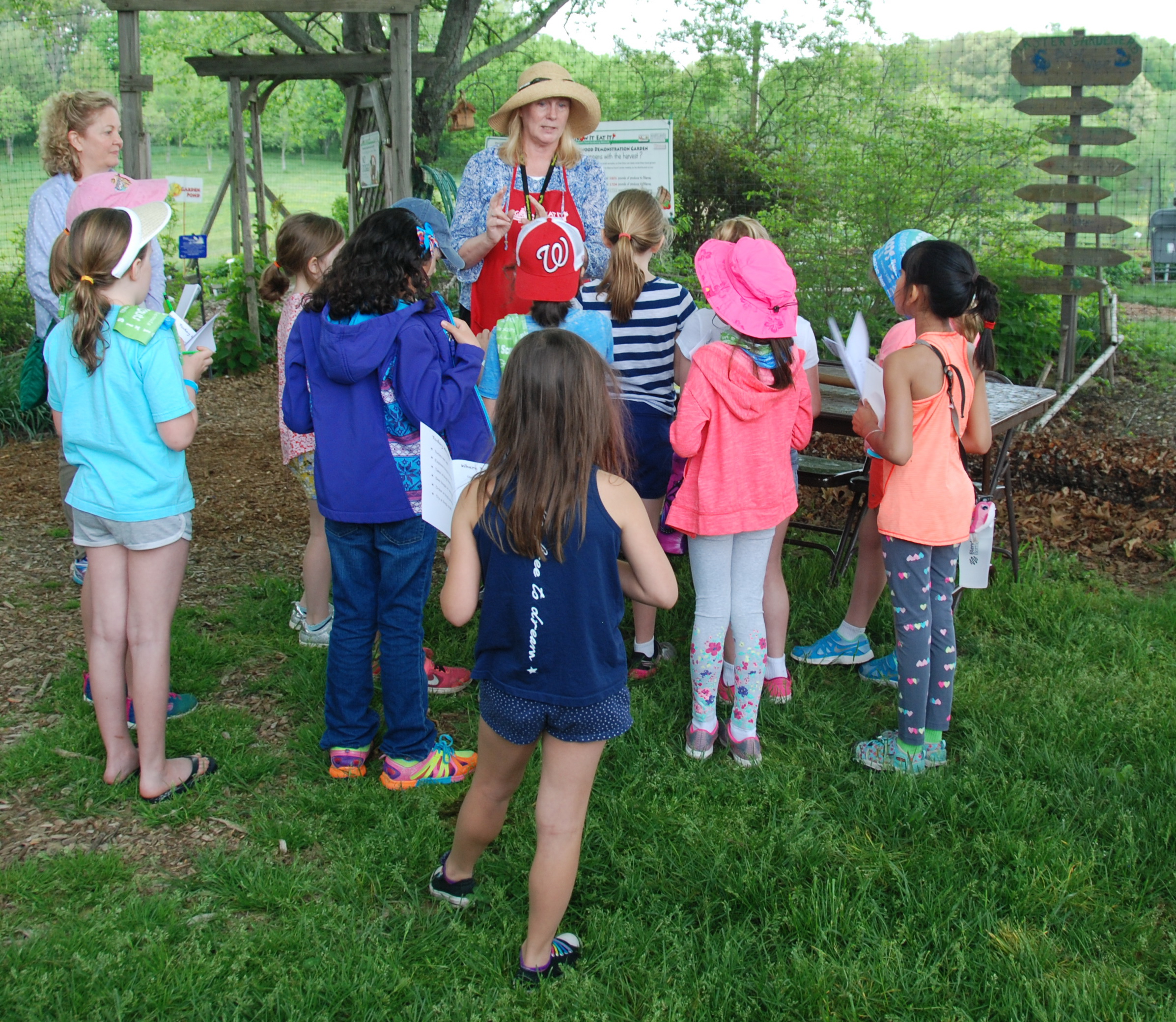
The Montgomery County Master Gardeners will be offering programs for children grades K-12 (including Scouts) on September 13, 27, and 28, 2025 at the Montgomery County Agricultural History Farm Park, along with TBD dates in May, 2026.
Programs cover topics from growing seasonal plants to sustainable food systems in the county. Children grades K-12 participate in garden demonstrations and take-home activities. Additionally, Scouts have the opportunity to earn badges.
DISCOVER THE HARVEST 🥗(Grades 9-12): $20/Child | Saturday | Sept 13, 2025
DISCOVER BUGS🐞(Grades 2-3): $15/Child | Saturday | Sept 27, 2025
DISCOVER ART OUTDOORS 🎨(Grades 6-12): $20/Child | Saturday | Sept 27, 2025
DISCOVER NATURE 🎒(Grades K-1): $12/Child |Sunday | Sept 28, 2025
DISCOVER VEGETABLES🥕 (Grades 4-5): $15/Child | Sunday | Sept 28, 2025
DISCOVER TREES🌲(Grades 5-8): $12/Child | Sunday | Sept 28, 2025
Questions about any of these events?
Use this form to contact us. Our staff will respond promptly.
Birdability Week 2025 – October 20 – 26
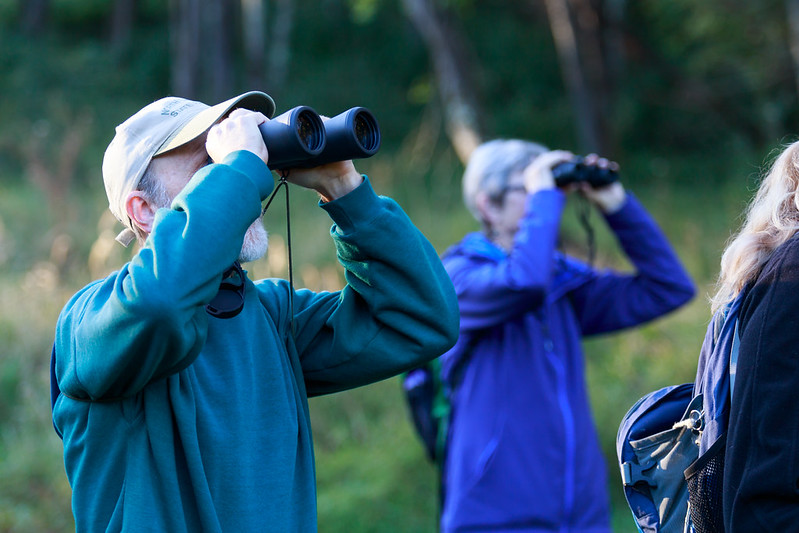
Birdability Week is an annual occasion to exchange valuable resources and innovative ideas, aiming to foster an inclusive and accommodating environment within the birding community. By encouraging accessibility, embracing diversity, and promoting a warm and open atmosphere, Birdability Week aims to ensure that birding is an enjoyable experience for everybody.
Celebrate the beauty of birds and enjoy a welcoming and inclusive birding experiences October 20 through October 26, 2025 in Montgomery Parks. Check back later for more programs and details!
Master Gardener Lectures – All About Chiles
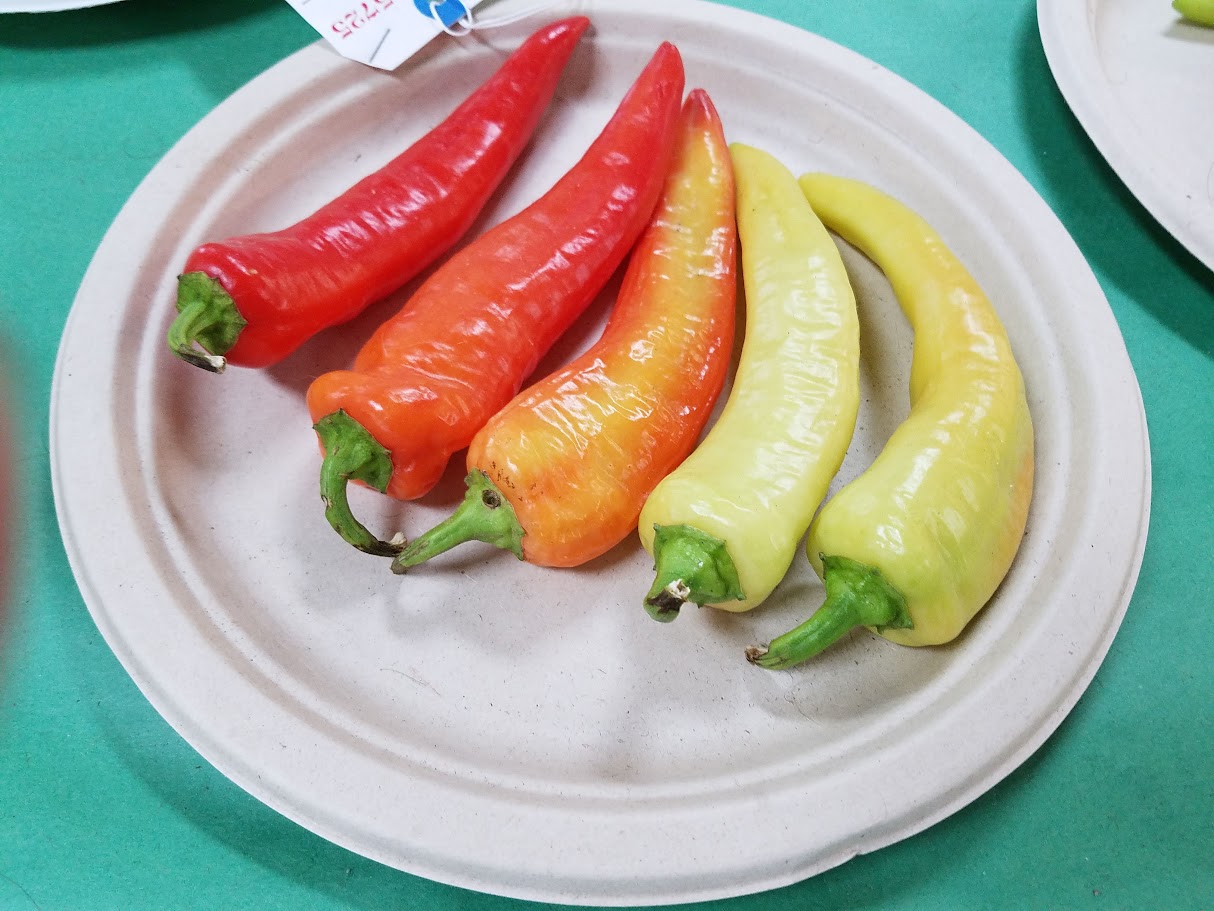
Saturday, September 13
2:00pm – 3:00pm
Rockville Memorial Library
21 Maryland Ave, Rockville, MD 20850
1st Floor Meeting Room
Master Gardener, Betty Cichy will share her knowledge of chiles and how to select, grow, and preserve them.
In this Master Gardener talk you will learn how to choose, grow, preserve and enjoy chile peppers. The speaker encourages you to steer the focus based on your preference for heat level – from mild to the hottest. The talk starts with the basics of heat levels and moves on to the flavors and best uses for individual varieties. You’ll learn how to choose which chiles to grow and what types are best suited to use in your favorite dishes.
Questions about this program? Contact the branch at 240-777-0140.
Montgomery Parks – Events

The Butterflies are Back at Brookside Gardens

After a five-year hiatus, the Butterfly Experience at Brookside Gardens is back and on view through September 21, 2025. The display features live butterflies from North America, Costa Rica, Africa and Asia. Hundreds of these enchanting insects will delight and amaze visitors with their intricate patterns and delicate aerial flight paths. From July 1 – August 31, the exhibit is open daily: 10am – 1pm weekdays, 10am – 4pm weekends. Additional hours are listed on the website.
Nature Walk: Native Plants, Pollinators, and Edible Gardens
Monday, September 15 / 10:30 am – 12:00 pm OR
Thursday, September 18 / 1:00 – 2:30 pm
Fee: $12 / FOBG: $10
Instructor: Beto Diaz Galvan, Brookside Gardens Horticulturist
Location: Meet at Visitor Center Entrance
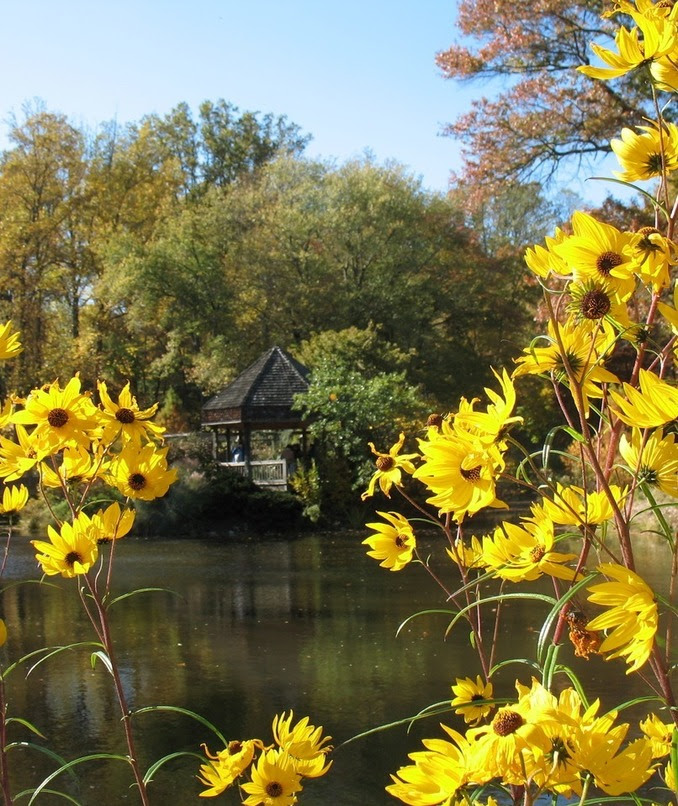
Join us for a bilingual guided tour in both Spanish and English celebrating Latino Conservation Week. Explore the biodiversity around our ponds and stream, discover sustainable gardening practices, and learn about native plants that attract hummingbirds and butterflies. You’ll be inspired to cultivate your own edible garden at home as you stroll through the new food forest.
Behind-the-Scenes Greenhouse Tour
Friday, September 19 / 10:30 am – 12:00 pm
Fee: $12 / FOBG: $10
Tour Guide: Brookside Gardens Staff
*Address and parking logistics will be sent after registration.
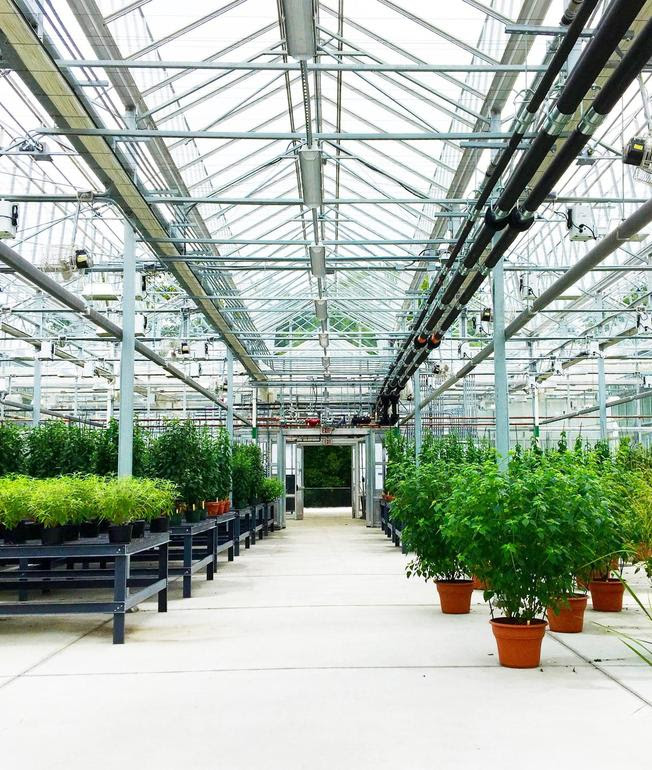
Opened in 2018, the O’Rourke Greenhouse consists of four growing areas totaling 10,000 square feet under glass. Participants will take a closer look at the state-of-the-art technology that enables staff to grow a variety of beautiful plants year-round while getting a sneak peek at the fall chrysanthemums being grown for displays.
How Can I Help? Saving Nature with Your Yard
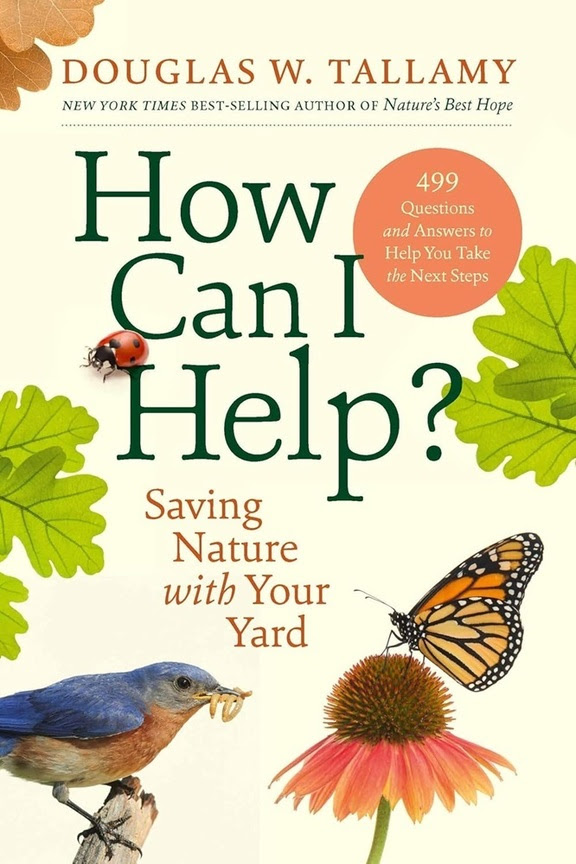
Tuesday, September 30 / 7:00 – 9:00 pm
Fee: $25 / FOBG: $22
Instructor: Doug Tallamy, author and Professor of Agriculture, Department of Entomology and Wildlife Ecology, University of Delaware
Location: Brookside Gardens Visitor Center Auditorium
1800 Glenallan Avenue
Wheaton, MD, 20902
(301) 962-1404
Don’t miss this opportunity to see Doug Tallamy, a national leader of the native plant movement, speak in person. He’ll discuss his new book on ecological landscaping and share insights on biodiversity, native plants, conservation, and how we can help restore ecosystems at home. Tallamy’s new book will be available in the gift shop, with a signing to follow the talk.
Registration Now Open for 2025 H20 Summit in October

The Montgomery County Department of Environmental Protection’s 2025 H2O Summit will be held from noon to 4 p.m. Tuesday, Oct. 14, at M-NCPPC’s Wheaton Headquarters, 2425 Reedie Drive in Wheaton. Attendees can learn from experts, connect with others who share a passion for protecting water resources and explore innovative ways to make community waterways more resilient.
Urban Tree Summit

Wednesday, September 17 | 8:30 am to 5 pm | All Ages | $89**
Silver Spring Civic Building at Veterans Plaza
Explore the ways we can all adapt to a changing climate, extreme heat, and declining biodiversity. You’ll hear from an outstanding lineup of experts in the fields of urban forestry, conservation, and environmental sciences.
Whether you’re an arborist, designer, developer, or just someone who believes trees make everything better, this is your chance to learn practical strategies we can all use to protect our urban forest and create greener, cleaner cities.
**Early bird pricing at $10 off until August 1.**
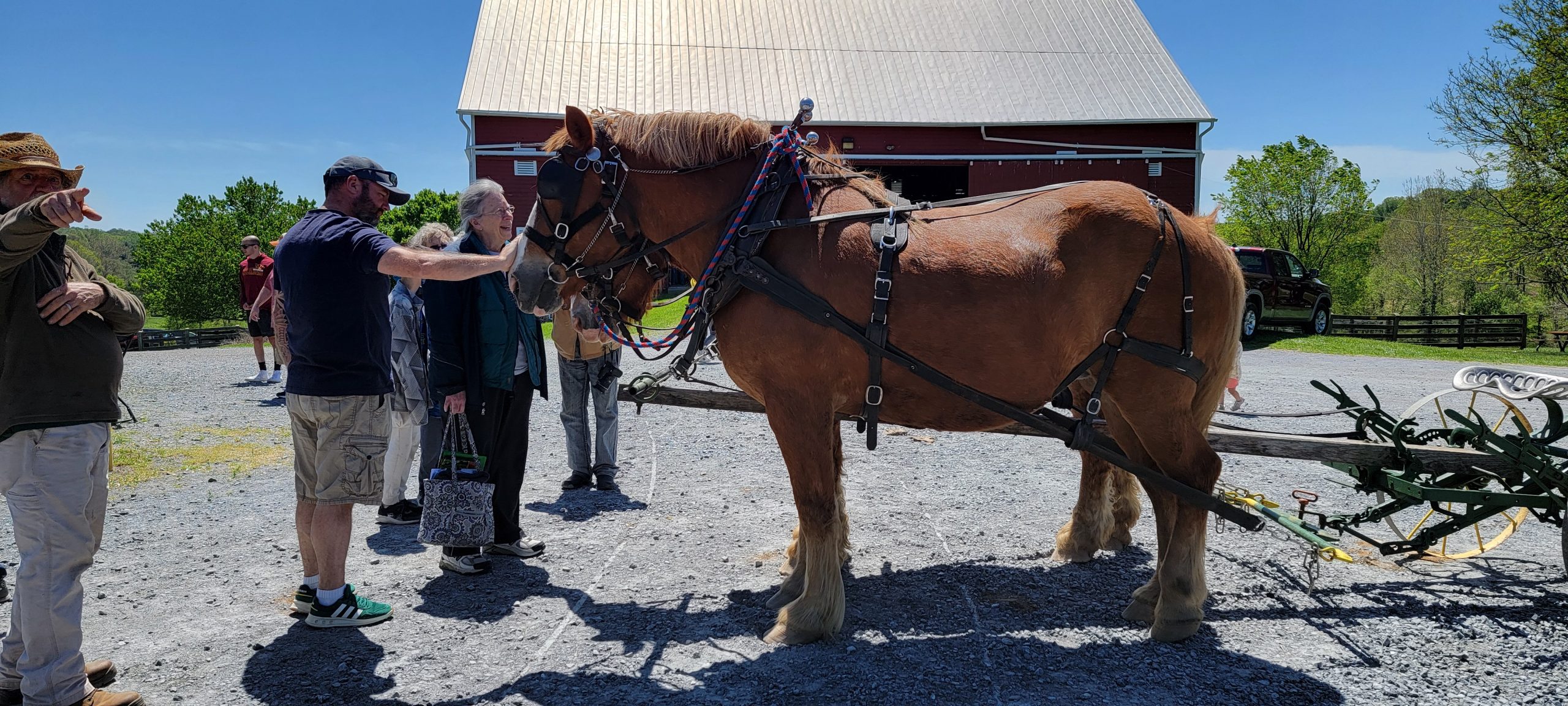
Harvest Festival at Agricultural History Farm Park
Saturday, October 4, 2025
11:00AM – 4:00PM
Location:
Agricultural History Farm Park
18400 Muncaster Road
Derwood, MD 20855
Admission is $20/Car (cash only)
Participate in hands-on farm activities such as candle dipping, tin-smithing, painting pumpkins and building scarecrows. Enjoy live music. Play historic games and explore farm equipment demonstrations. Meet heritage farm animals and experience live sheep herding demonstrations with Trial & Error Acres herders. Don’t leave with taking a hayride around the farmstead!
Food, refreshments, and some activities will have additional fees ($)
Event takes place rain or shine.
Dogs are not permitted at this event.
Seneca Creek State Park September Programs

Seneca Creek State Park
11950 Clopper Road
Gaithersburg, MD 20878
Here’s a link to Seneca Creek State Park’s September Programs. Featured events for September include TGIF Walk, Fungi Finders Hike, Greenway Trail Hike, Birds, Izaak Walton League of America Open House, and more! These events are provided by The Friends of Seneca Creek State Park.
About Friends Of Seneca Creek State Park (FOSCSP)
The only State Park entirely in Montgomery County, featuring Hiking, Disc Golf, Boating, Fishing, Peony Display Garden, Recycled Tire Playground, and Winter Lights display from Nov. 27th through December 31st. Entrance is free from November through March.
The Friends of Seneca Creek State Park collect dues and donations that are used to support the visitor experience in the park. We are a 501(c)(3) designated charity, so all donations, including dues, are tax deductible as allowed by law.
Montgomery College Lifelong Learning Home and Garden Classes – Fall 2025

See Schedule of Fall Classes below:
| Course | Course Name | Start Date | End Date | Days | Times | Location |
| LLP118 | Dazzling Floral Arrangements and Designs for Home and Office | 12/6/2025 | 12/13/2025 | Sat | 10:30 AM – 1:00 PM | MK 102 |
| LLI519 | Garden Design | 9/23/2025 | 10/14/2025 | Tue | 7:00 PM – 9:00 PM | MK 102 |
| LLP262 | Getting Started with Chicken Keeping and Eggs | 9/19/2025 | 10/10/2025 | Fri | 12:30 PM – 2:30 PM | R-MK-Mannakee Building TBD |
| LLI022 | Orchids:How to Grow and Bloom | 11/4/2025 | 11/4/2025 | Tues | 6:30 PM – 9:30 PM | Virtual Remote |
| LLP258 | Regenerative Agriculture for the Small Farmer or Hobbyist | 10/24/2025 | 11/21/2025 | Fri | 12:30 PM – 2:30 PM | R-MK-Mannakee Building |
| LLP261 | THAT Grows Here? Gardening Beyond the Basics | 10/7/2025 | 11/4/2025 | Tue | 12:30 PM – 2:30 PM | R-MK-Mannakee Building TBD |
| LLP153 | Woody Ornamentals for the Mid-Atlantic Region | 9/9/2025 | 9/16/2025 | Tue | 6:30 PM – 9:00 PM | Virtual Remote |
Let’s Talk Gardens
Thursdays 12 to 1 p.m.
Smithsonian Gardens
“Grow” your gardening know-how! Our free online gardening program, Let’s Talk Gardens, covers a wide range of topics presented by our own professional staff, as well as guest speakers.
And we encourage you to watch videos in our Let’s Talk Gardens Video Library.